When a customer steps into a coffee shop, the atmosphere sets the tone. Before they taste a single sip or speak to a barista, the space speaks for itself. From lighting to layout, every design choice shapes how customers feel and behave in that first moment.
These first impressions form quickly. A space that feels intentional creates comfort. Without needing to ask questions or look for instructions, customers sense where to go, where to sit, and what kind of experience to expect.
Sensory Design Builds Emotional Memory
Sights, sounds, smells, and textures all work together to shape atmosphere. A space filled with warm lighting, clean surfaces, and soft ambient music invites people to slow down and stay longer. These sensory cues go beyond decoration—they create emotional memory.
When guests recall their visit, they often remember how the space made them feel more than what they ordered. Comfort, calm, or energy—these feelings are triggered by atmosphere, not the menu. That’s why successful cafés prioritize sensory design as part of the customer journey.
Layout Influences How People Interact
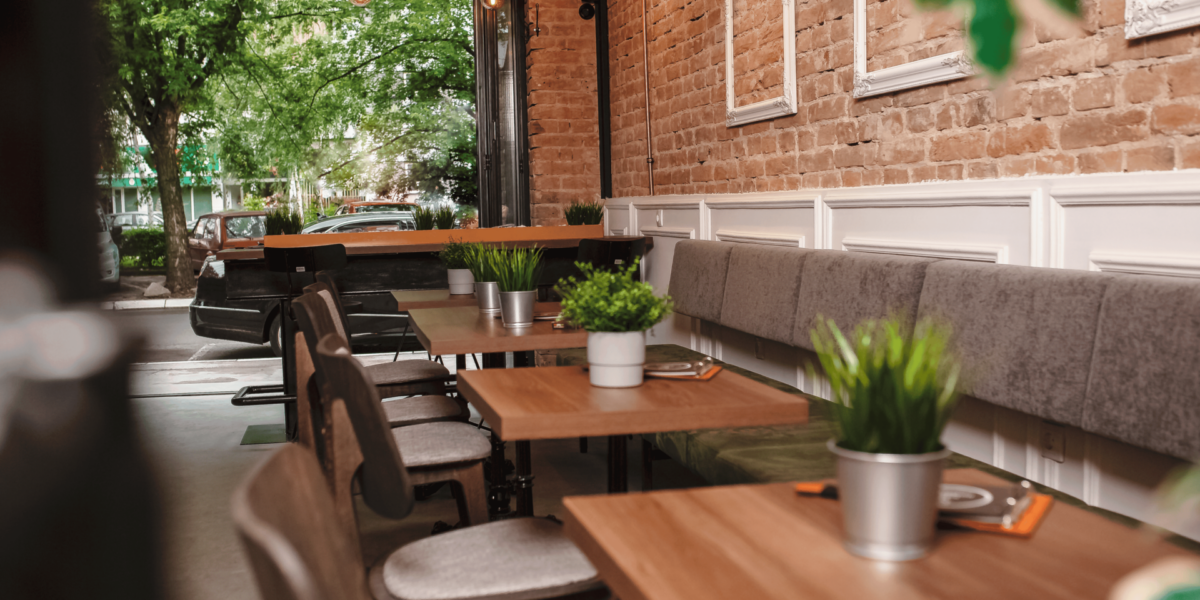
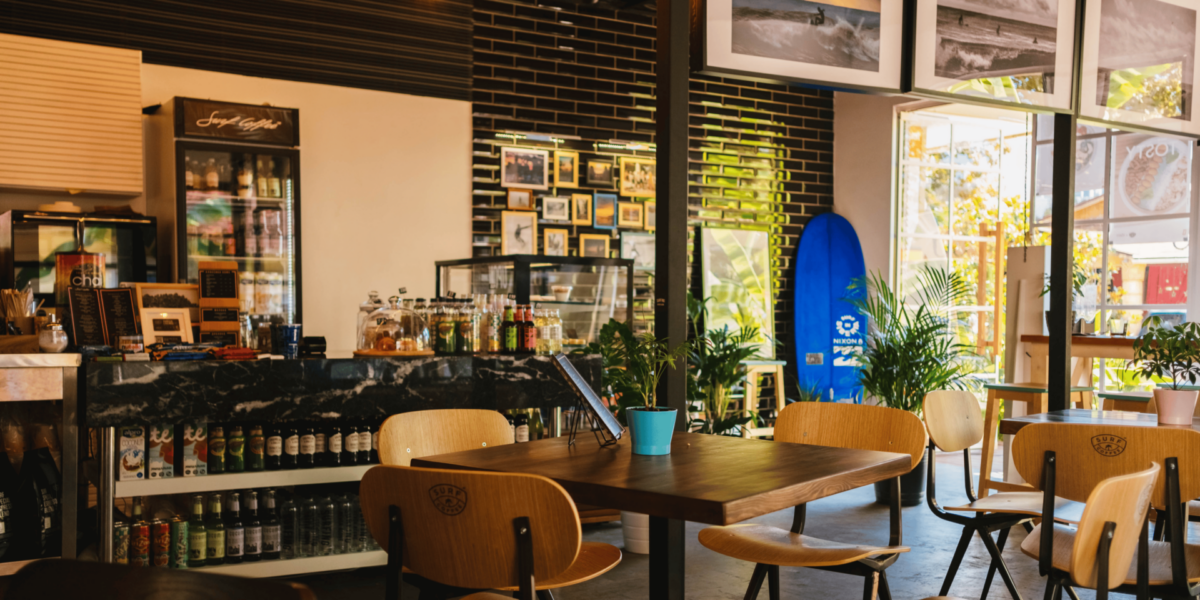
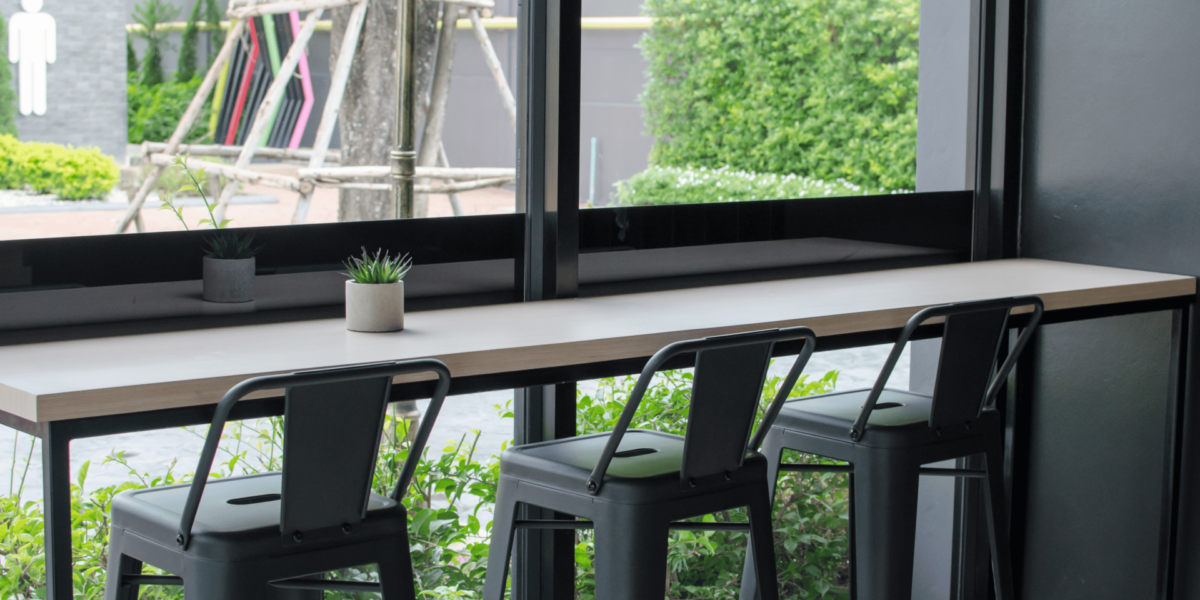
The physical arrangement of the café plays a key role in how people move, connect, and settle in. A clear, open layout gives people room to breathe. A mix of seating options—like individual tables, communal benches, and quiet corners—offers flexibility for different needs.
Designing for movement and stillness means thinking through customer behavior. Where will they order? Where will they wait? Where will they choose to sit? When the layout feels natural, customers don’t think about it—but they remember how easy and comfortable it felt.
Lighting Shapes Mood and Focus
Lighting does more than illuminate a room. It shapes emotion, energy, and rhythm. Soft, warm lights create a cozy feeling, while brighter lighting helps customers stay alert and productive. Natural light adds a connection to the outside world and makes the space feel more open.
Thoughtful lighting also supports different parts of the day. Morning guests may enjoy sunlight and brightness, while evening visitors might prefer dimmer, calming tones. Adjusting lighting throughout the day helps the café meet people where they are in their routine.
Scent Creates Immediate Connection
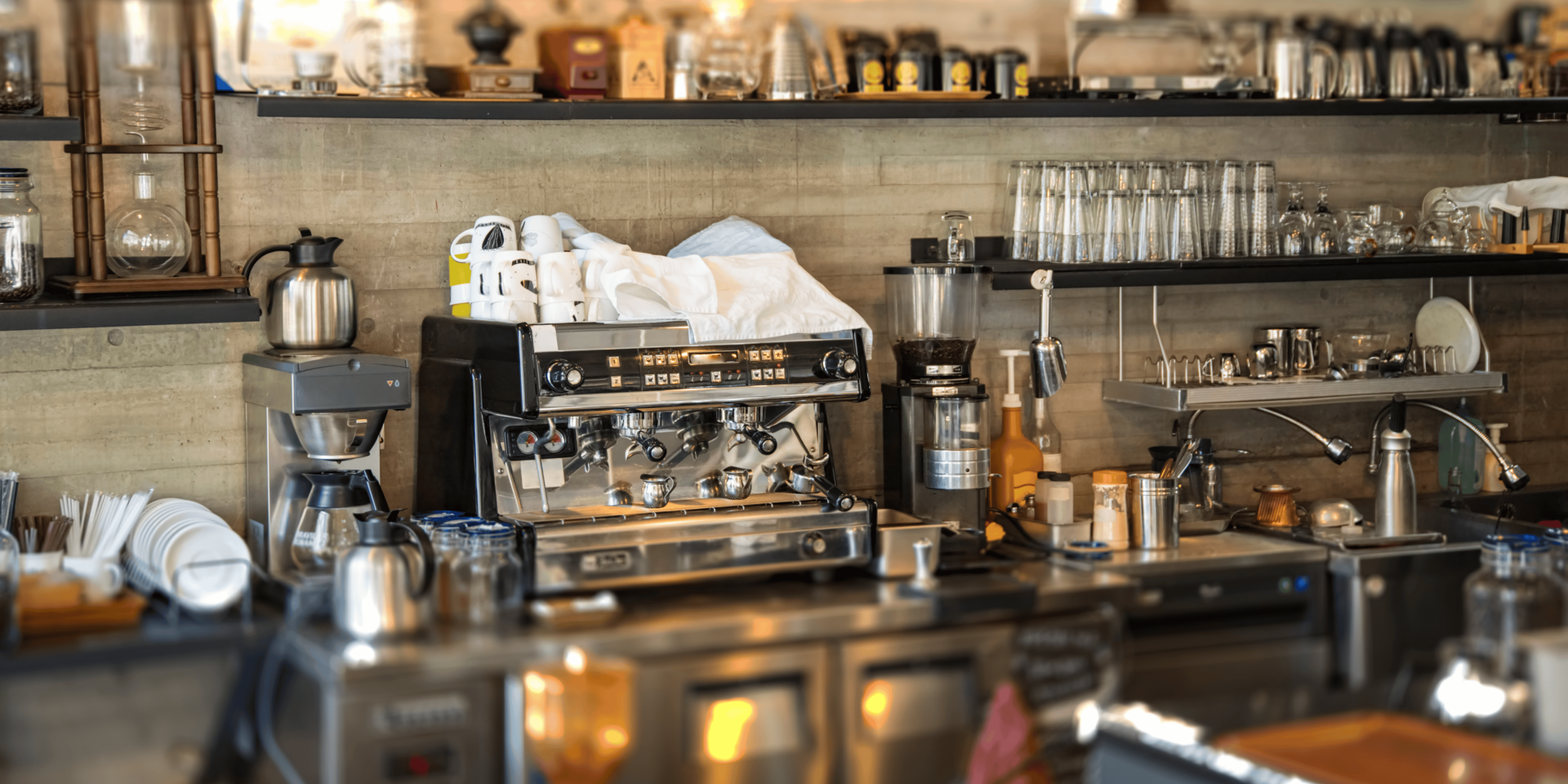
The aroma of freshly ground coffee reaches people before anything else. Smell connects directly to memory and emotion. A well-managed scent environment can comfort, energize, or inspire calm, all without saying a word.
This sensory layer builds attachment. When the air smells fresh, clean, and familiar, people associate that experience with quality and care. Over time, returning guests may not remember the playlist or exact design details—but they’ll remember how the café smelled.
Sound Controls Energy Without Being Noticed
Music and ambient noise help define a café’s energy level. A curated playlist can enhance the mood without overwhelming conversation. The right sound levels make the space feel lively or peaceful, depending on the time and setting.
Volume matters. Sound should support—not compete with—the guest experience. A quiet buzz encourages focus and relaxation. Louder music might work in busy hours when turnover is higher. Matching music to the desired atmosphere is subtle, but essential.
Barista Presence Shapes the Human Experience
Atmosphere isn’t just about physical space. It also includes the people who bring the café to life. The way baristas move, interact, and present themselves becomes part of the guest experience. A welcoming glance or a calm, steady pace builds a feeling of trust.
Customers notice body language, tone, and timing. Even during busy moments, staff who stay composed and attentive add to the sense that the space is managed with care. These human details shape how comfortable and seen people feel in the space.
Brand Consistency Reinforces the Feeling
The strongest cafés create an atmosphere that aligns with their brand. A place that values sustainability might use natural textures and earthy colors. A fast-paced urban spot might highlight clean lines and minimal décor. Every choice—from cup design to lighting fixtures—communicates something.
Consistency matters. If the tone, visuals, and service match the brand promise, the atmosphere feels trustworthy. That trust becomes part of the memory. Guests return not just for the coffee, but because they know exactly what to expect—and that predictability becomes comfort.
A Realistic Scenario: Experience Beyond the Menu
Picture a regular customer who stops by the same café each weekday morning. The path from the entrance to the counter is smooth. The lighting feels right for the early hour. The scent of coffee creates instant calm. The music plays at the perfect volume—not distracting, but present.
Even on busy mornings, the staff greets them with a nod. The seating layout gives them the choice to linger or leave. Over time, the café becomes more than a stop. It becomes a place where they feel known—even when no one speaks. That experience stays with them long after they’ve finished their drink.
Atmosphere Drives Loyalty and Word-of-Mouth
When people feel good in a space, they return. They tell others. They bring friends. They share photos. The experience becomes part of their daily routine, and the café becomes part of their personal story. This is the power of atmosphere.
Loyalty doesn’t always begin with flavor. It often starts with feeling. Atmosphere becomes the invisible ingredient that transforms a single visit into a long-term connection. And while a good product gets people in the door, it’s the way the space feels that keeps them coming back.
Designing for Lasting Connection
Atmosphere is not an extra layer—it’s the core of the experience. It tells the story of a café without needing words. Through design, scent, sound, and service, a space communicates care, identity, and intention.
When the atmosphere is consistent and well-crafted, it becomes the most memorable part of the visit. It connects people to the place in ways they can feel but not always describe. And in a world full of choices, that silent connection is what sets one café apart from the rest.