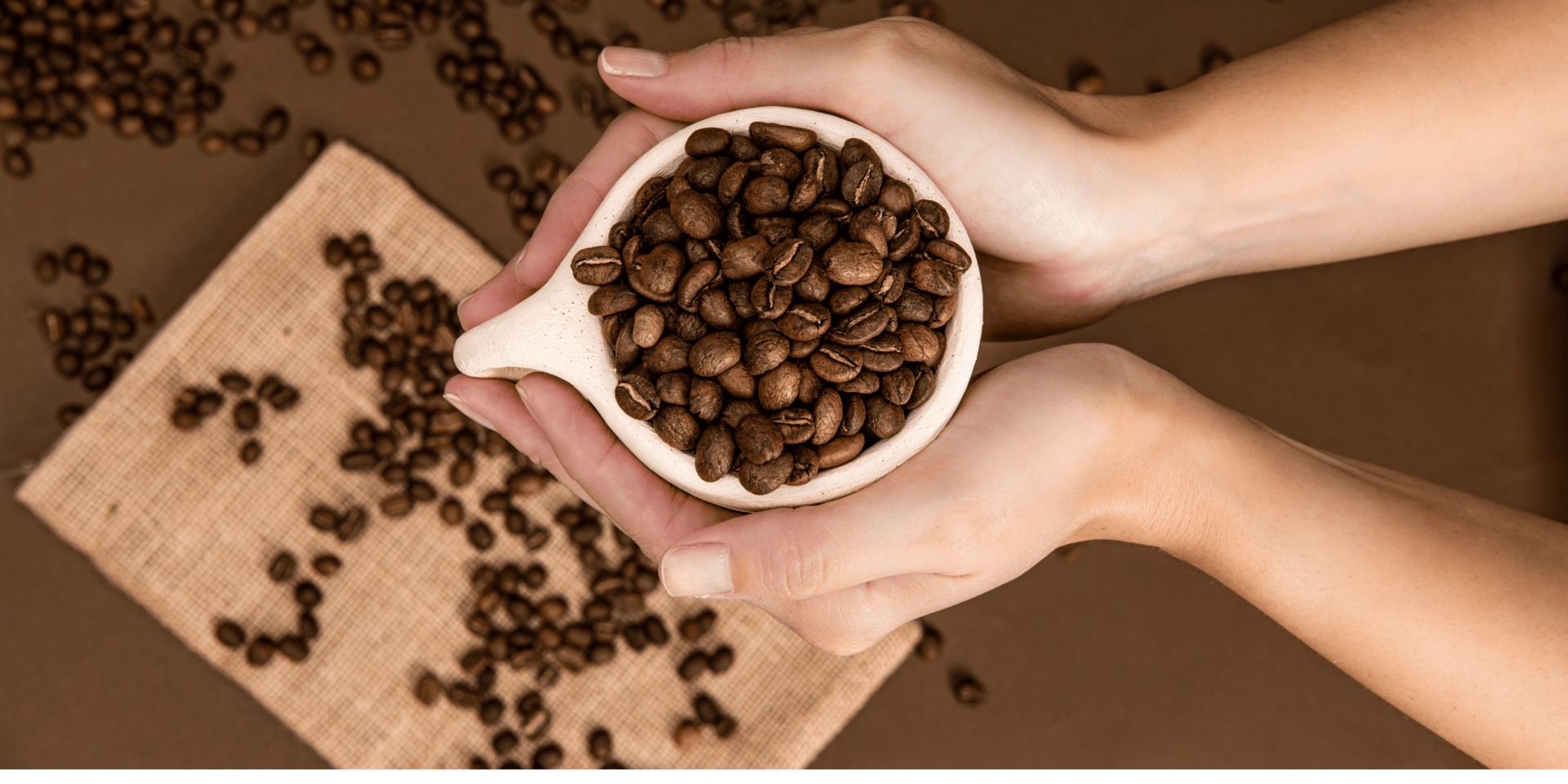
Coffee beans begin their journey long before they reach your cup. Grown in different parts of the world, each bean carries the flavor of its origin. The altitude, soil, and climate in each region shape how the beans taste. From farm to roaster, every step adds to the final experience.
How Geography Influences Coffee Flavor
Where a coffee bean grows changes everything about how it tastes. Beans from high elevations tend to have bright, acidic notes. Beans from lower regions often develop richer, earthier flavors. The specific region—whether it’s Ethiopia, Colombia, or Sumatra—affects the bean’s final profile.
The Role of Local Farming Practices
Farmers play a direct role in how coffee turns out. The way they grow, harvest, and process the beans makes a big impact on flavor. Some use sun-drying methods, while others wash and ferment the beans. These decisions, shaped by local tradition and resources, give each roast its signature taste.
Roasting Techniques Around the World
Once harvested, beans are roasted in ways that reflect local preferences. Roasters in Italy often favor darker roasts, creating bold, smoky flavors. Scandinavian countries typically roast lighter, highlighting subtle fruit and floral notes. These roasting styles are as much cultural as they are technical.
Scenario: Following the Flavor from Farm to Cup
Picture someone standing in a local coffee shop, scanning a menu that lists origins like Kenya, Guatemala, and Yemen. They choose a single-origin roast from Peru. With the first sip, they taste more than coffee. They taste altitude, sunlight, and the hands that picked the beans. The story in the cup spans continents, seasons, and centuries.
How Global Roasts Connect People to Place
Drinking coffee from a specific region builds a connection to that place. The flavor becomes a way to explore the world without leaving home. With each cup, people learn about new landscapes, cultures, and communities. Coffee becomes a passport made of scent, taste, and texture.
Why Roasters Curate Coffee by Origin
Roasters choose beans from specific regions to craft a flavor experience. They may offer seasonal selections based on harvest times. By curating coffee by origin, roasters help drinkers explore differences in flavor and learn more about where their coffee comes from. This approach brings education and enjoyment together in every bag.
The Economic Impact of Global Coffee Trade
Behind every roast is a supply chain that stretches across continents. Coffee farming supports millions of workers worldwide. When buyers support ethically sourced beans, they help improve wages and working conditions for farmers. This economic link makes the global coffee trade a powerful tool for change.
Sustainability in Sourcing and Shipping
Moving coffee around the world has a footprint. Some roasters now focus on sustainable practices, like using compostable packaging or offsetting shipping emissions. Ethical sourcing also includes paying fair prices and supporting community projects at the origin. These efforts give every cup deeper meaning.
Let Each Roast Tell Its Story
Global roasts carry more than taste—they carry stories of land, labor, and legacy. By choosing coffee from different origins, drinkers support a wider world. Every roast invites you to experience the journey of the bean, from soil to sip. In doing so, coffee becomes more than a drink—it becomes a way to connect.
Explore the World Through Your Coffee Cup
The next time you brew a cup, take a moment to learn where it came from. Each origin offers something unique. With curiosity and care, you can turn your daily routine into a global journey—one roast at a time.