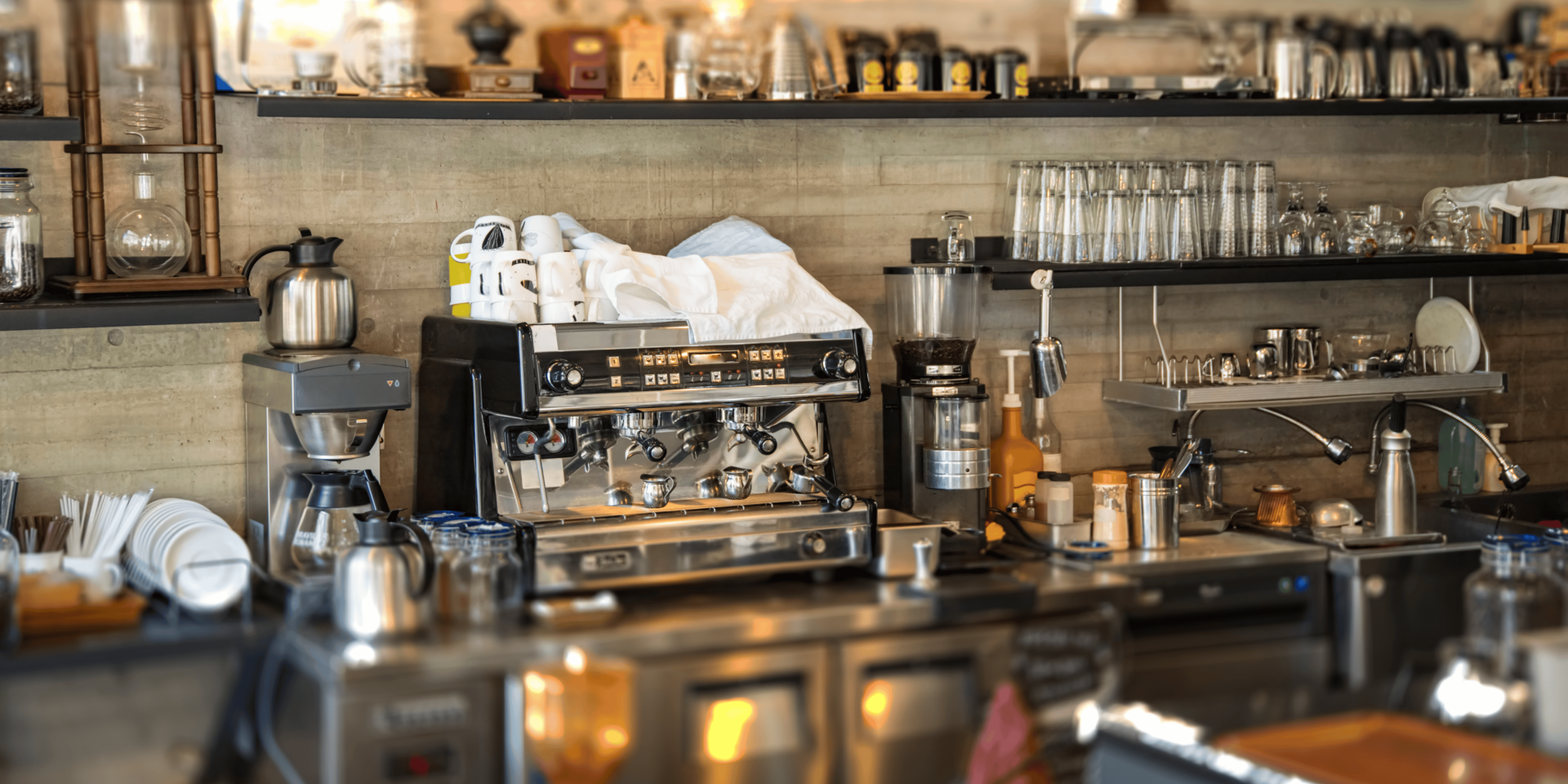
The design of a coffee space does more than hold furniture and machines. It shapes how people interact. The layout, lighting, sound, and material choices create a setting that either invites connection or keeps people apart. A calm, thoughtful environment helps people feel welcome before any conversation begins.
How Layout Supports Unspoken Connection
The placement of tables and seating influences how people engage with one another. Communal tables suggest openness and shared experience. Smaller tables and cozy corners allow for quiet or focus. When spaces offer both, people can choose the level of connection they want. This flexibility allows comfort without pressure.
Lighting Sets the Mood for Belonging
Soft, warm lighting helps people relax. Natural light, when available, creates a sense of time and rhythm. These lighting choices affect mood and body language. They make it easier to stay longer, notice others, and feel part of the room without having to speak.
Sound Design Shapes Emotional Comfort
Background noise plays a quiet but essential role. Low music, gentle conversation, and the hum of espresso machines provide sound cues that calm the nervous system. Sharp or loud noises disrupt this balance and can create tension. A well-tuned soundscape supports calm focus and social ease.
Scenario: Stepping Into a Space That Feels Like Home
Imagine someone walking into a café after a long day. The lights are low, music plays softly, and the air smells of fresh coffee. They find an open seat near a window and settle in without needing to ask anything. Around them, others read, write, or talk in quiet tones. In this moment, they feel connected—not by words, but by presence. The space itself has done the work.
Design Choices That Encourage Return Visits
Comfort brings people back. When a space is easy to be in—with clear walkways, comfortable chairs, and a clean layout—people remember how it made them feel. They return not just for coffee, but for the experience. That feeling of calm, of being seen without being put on display, becomes a reason to return.
Materials Matter in Creating Sensory Calm
Wood, plants, soft textiles, and natural finishes help soften the space. These materials signal warmth and simplicity. They also absorb sound, reduce harsh reflections, and make a room feel more human. Material choices are often the difference between a space that feels alive and one that feels cold.
The Role of Staff in Wordless Hospitality
Even without long conversations, staff set the tone. A smile, eye contact, or simple acknowledgment builds trust. When baristas move with calm confidence and treat each guest with quiet respect, the whole space reflects that energy. This type of hospitality creates safety without requiring attention.
Coffee Spaces as Shared Retreats
A well-designed café becomes a shared retreat. It gives people a place to be alone, together. In a world full of noise and distraction, these spaces offer stillness. They allow people to connect to themselves and others, often without saying a word. That shared silence becomes its own kind of community.
Let the Space Speak for You
Designing calm is about intention. When a coffee shop feels good to be in, people notice. They settle in, stay longer, and bring others. The space does the talking—through light, layout, and texture. And in that silence, community grows naturally, one presence at a time.