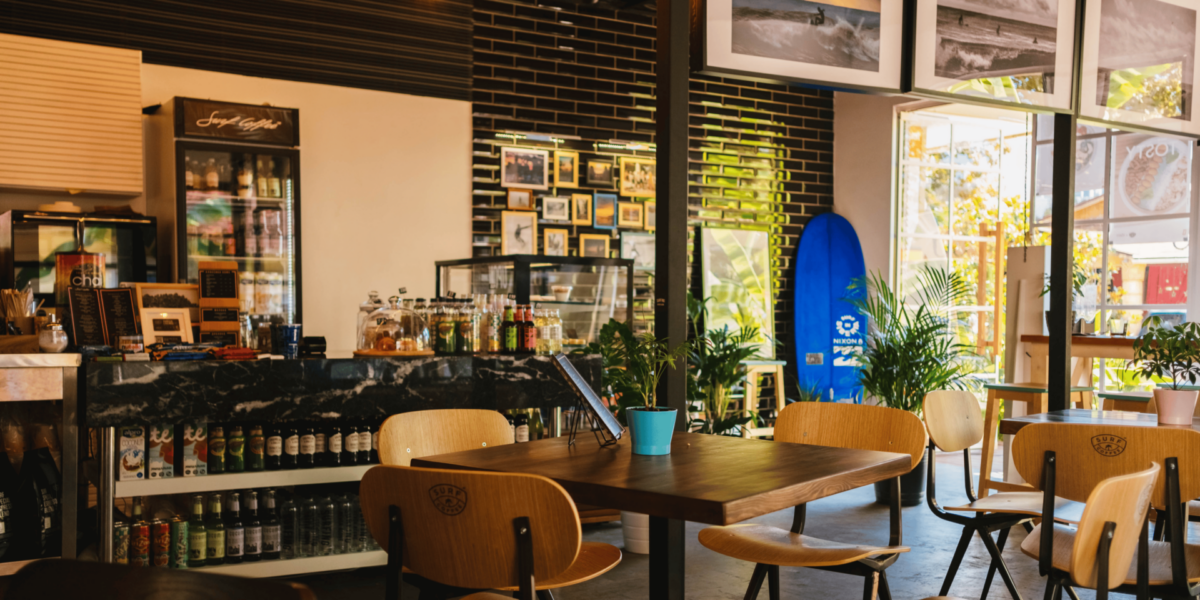
A café’s atmosphere starts forming the moment a customer walks through the door. Before they taste the coffee or interact with staff, they absorb the space around them. The lighting, sounds, and scents combine to create a first impression that shapes their entire experience.
Customers often decide how they feel about a café within the first few seconds. The space doesn’t need to shout to get attention—it needs to invite. When design choices work together to create comfort, the café becomes more than a business. It becomes a part of someone’s day.
Lighting Sets the Emotional Tone
Lighting is one of the most powerful tools in café design. It controls how the space feels and functions. Warm lighting creates a relaxed and cozy vibe. Natural light makes the room feel open, calm, and connected to the outdoors.
Designers must think about how lighting affects different times of day. In the morning, soft light helps customers ease into their routine. In the afternoon, brighter light supports focus and energy. At night, dimmer tones create an intimate space. The right lighting invites people to stay—and return.
Furniture Shapes Comfort and Flow
Café furniture does more than offer a place to sit. It guides how people use the space. A good layout provides a balance between comfort and movement. Tables should be spaced with care, giving each guest a sense of privacy without isolation.
Chairs should support longer stays without making people feel rushed. Sofas or benches can create quiet corners for reflection or conversation. Communal tables invite connection, while window seats offer solo guests a view and quiet. A thoughtful layout respects the variety of ways people spend time in cafés.
Color Choices Influence Mood and Memory
The colors used in a café affect both how it feels and how it’s remembered. Earth tones can promote calm and warmth. Cooler tones add a sense of modernity and simplicity. Bright colors can energize, while muted shades can relax.
Color also reinforces brand identity. A café focused on small-batch, handcrafted drinks might lean toward natural textures and soft tones. A more urban or fast-paced shop might use bold contrast. Whatever the choice, consistency in color helps tell the café’s story through its walls and furniture.
Sound Design Creates an Invisible Experience
Sound shapes how long people stay and how they feel while they’re there. A quiet hum of background music can make a café feel alive without becoming distracting. The volume and genre should match the time of day and the tone of the space.
Too much noise can push people away, especially those working or reading. Too little can make a space feel empty or awkward. The right balance allows customers to focus, relax, or engage in conversation without strain. A consistent soundscape builds comfort over time.
Scent Triggers Memory and Emotion
The smell of freshly ground coffee can draw someone in before they even reach the counter. Scent is tied directly to emotion and memory, making it a powerful part of the café atmosphere. A clean, comforting scent invites people to return.
Designing scent means more than relying on coffee alone. Avoiding strong cleaning product odors or clashing fragrances matters. A neutral, warm scent profile enhances the overall feeling of care and calm. Customers may not consciously notice it, but they will remember how the space made them feel.
Staff Interactions Define the Experience
Design doesn’t end with furniture and lighting. The way staff interact with guests is part of the atmosphere. A warm greeting, a remembered name, or a quiet recommendation helps build a personal connection.
These interactions shape how welcome someone feels. Even small gestures—like a smile or a thoughtful question—can change the mood of a visit. Staff are not separate from the design; they are part of the space’s identity. Their presence reinforces the café’s values.
Layout Supports Different Types of Guests
Not every customer comes to a café for the same reason. Some come to work, others to meet, and some to simply pause. A flexible layout supports different needs without forcing people to adapt to the space.
Quiet corners support focused work. Round tables welcome group chats. Bar seating encourages quick visits. A successful café design anticipates these needs and offers solutions without calling attention to them. This flexibility makes the space feel natural for every kind of guest.
Branding Aligns With Physical Space
The way a café looks should match the story it tells. Design decisions must reflect the brand’s purpose. If a café markets itself as slow and mindful, the space should reflect calm, thought-out details. If it positions itself as fast and efficient, the layout should support flow and speed.
When the design matches the brand, it builds trust. Customers know what to expect, and they feel the connection between the product, the environment, and the service. This alignment keeps the experience consistent, which is key to building loyalty.
Returning Customers Come for the Feeling
People return to cafés where they feel seen, safe, and comfortable. The atmosphere becomes part of their personal routine. Over time, what began as a stop becomes a habit. A familiar space provides a sense of place, even in a busy world.
That sense of home doesn’t happen by accident. It’s built from many small design choices, each made with care. The more consistent the experience, the deeper the emotional connection. And with that connection, loyalty grows—not just to the coffee, but to the space itself.
Designing a Café That Welcomes and Lasts
Designing a café that feels like home requires more than good furniture or trendy colors. It demands intention. Every detail—from the way the light hits a table to the way a barista says hello—shapes how someone feels in the space.
When these elements come together with care, the café becomes more than a place to buy coffee. It becomes a place to pause, connect, and return. That’s the subtle art—and the lasting power—of thoughtful café design.