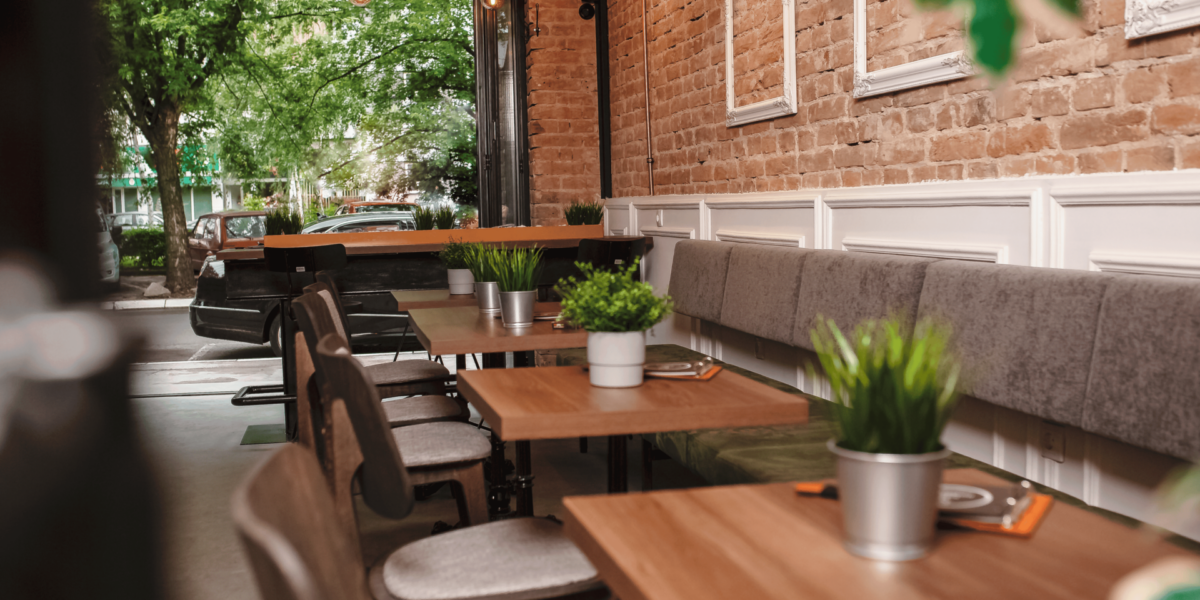
Every coffee shop communicates something before the first greeting or order is made. The space itself speaks through design, layout, and sensory cues. Customers immediately notice how a café feels, not just how it looks. This silent communication shapes how they behave, how long they stay, and how they remember the experience.
From the moment someone steps inside, the environment begins to guide their actions. A bright, open layout may suggest quick visits, while a cozy corner signals it’s okay to stay a while. These unspoken cues play a critical role in shaping customer habits and brand perception.
Interior Layout Shapes the Customer Journey
The arrangement of furniture, counters, and pathways silently directs how customers move through the space. Without signs or instructions, people find their place based on how the layout guides them. A clear path from the door to the counter creates ease. Open seating near windows encourages longer visits. Bar seating near the register may support faster turnover.
This structure helps eliminate confusion and makes the experience feel natural. When movement feels intuitive, customers relax. When it doesn’t, frustration builds—even if they can’t name the cause. Thoughtful layout shows customers where to go and how to feel without saying a word.
Lighting and Color Speak to Emotion
Lighting and color are essential tools for creating mood. A café filled with warm tones and soft lighting speaks in a quiet, calming voice. A bright space with bold color pops feels energetic and modern. These design elements influence customer emotion more than most people realize.
Lighting not only affects how a space looks but also how welcoming it feels. Natural light during the day invites people to linger. Dimmer tones in the evening suggest intimacy and ease. When used with intention, light and color send a clear message: this is a place where you belong.
Sound Creates a Layer of Unspoken Communication
Even the quiet hum of a coffee shop contributes to its message. Background music, the clinking of cups, and the gentle chatter of guests all shape atmosphere. A well-curated playlist complements the café’s tone, whether upbeat and lively or calm and reflective.
When sound is too loud, it disrupts comfort. When it’s too quiet, it creates awkward tension. The right balance communicates presence without demanding attention. Customers feel the rhythm of the space and match their behavior to the mood created.
Scent Connects Memory and Emotion
Smell is one of the most powerful, yet overlooked, tools in creating atmosphere. The scent of freshly brewed coffee often evokes comfort, focus, or even nostalgia. This unspoken sensory detail builds emotional connection, turning a visit into a remembered experience.
When the smell is clean, warm, and inviting, it signals care and consistency. An unpleasant or artificial odor can break that impression instantly. Unlike visual elements, scents can’t be ignored. They work in the background, building brand memory with every breath.
Materials and Textures Speak Through Touch
The textures of tables, chairs, and cups contribute to the physical story a café tells. Wood grains, smooth stone counters, and soft upholstery send signals about quality, style, and comfort. These tactile details shape the emotional feel of the space without needing explanation.
When customers run their hands across a polished wood table or hold a warm ceramic mug, they engage more deeply with the environment. These small but meaningful interactions reinforce a sense of thoughtfulness in design—one that builds trust and keeps people coming back.
Barista Movements Reinforce the Brand’s Values
Even without speaking, the way baristas move communicates something to every guest. Quick, efficient service in a clean, well-organized workspace reflects professionalism and attention to detail. A slower, relaxed pace may signal a focus on craft and care.
Body language, posture, and facial expression all contribute to the nonverbal conversation happening in the café. A smile, a nod, or a gentle handoff of a drink builds connection, even when no words are exchanged. These moments build customer comfort and loyalty.
Brand Identity Lives in the Smallest Details
The visual language of a coffee shop extends to menus, packaging, signage, and décor. Fonts, color palettes, and material choices tell a story about what the brand stands for. Even in silence, these choices reflect values—such as sustainability, creativity, or tradition.
Customers read these cues, even if they’re not consciously aware of them. A handwritten menu suggests a personal touch. Recycled materials in décor speak to environmental awareness. Each detail becomes part of a larger message that customers experience before they ever take a sip.
A Realistic Scenario: Feeling Seen Without Being Told
Imagine someone walks into a coffee shop for the first time. The lighting is soft, the furniture is inviting, and the scent of fresh beans fills the air. The barista offers a warm nod. No one says a word at first, but the customer knows where to go and how to proceed. They place an order, find a corner seat, and exhale. The space has spoken.
Over time, that customer returns not just for the coffee but for how the space makes them feel. It’s not about loud branding or sales language—it’s about a silent, consistent message: you’re welcome here. That is the power of a space that speaks without words.
Silent Signals Drive Emotional Loyalty
Loyalty doesn’t come from clever marketing alone. It grows when customers feel something they can’t quite describe but want to return to. Spaces that use design, sound, scent, and flow to communicate trust and warmth create deeper bonds than language ever could.
When coffee shops understand how these silent signals work together, they create an atmosphere that feels personal. Customers notice the difference, even if they can’t explain why. And once they find that feeling, they often come back for it—again and again.
Listening to What the Space Says
Coffee shops don’t need to speak loudly to be heard. When design is intentional and sensory details align, the space tells a complete story. It welcomes without words, guides without signs, and connects without commands.
The next time someone walks into a café and feels immediately at ease, it’s not by chance. It’s the result of a space that knows how to speak through experience—without ever saying a word.