The experience of drinking coffee starts long before the first sip. In well-designed cafés, rituals shape each moment—from how the customer enters the space to how they interact with the barista and environment. These rituals are not random. They are intentional, emotional, and carefully crafted.
Customers notice these details, even if they don’t name them. When a routine feels natural and rewarding, it becomes part of a person’s day. Over time, that consistency builds emotional connection. The café becomes more than a coffee stop—it becomes a place of comfort and familiarity.
Emotional Design Turns Routine Into Connection
A café’s physical space can guide emotions and behaviors. Through lighting, layout, sound, and scent, designers create an environment that supports specific feelings. This emotional design encourages customers to slow down, feel welcome, and engage more deeply with their surroundings.
This is the foundation of a ritual: repetition shaped by experience. When every part of the space contributes to a positive emotional response, the routine of getting coffee turns into something meaningful. That feeling stays with the customer longer than the caffeine.
Layout Supports Predictable, Comfortable Flow
Café layout plays a central role in building daily rituals. A clear and functional layout reduces friction in the customer journey. When people instinctively know where to stand, order, and sit, they feel at ease. That comfort encourages repeat visits.
A smart layout supports both speed and stillness. Some customers need to grab a drink quickly, while others want to settle in and stay. Design that allows for both creates a balanced environment where everyone finds their rhythm. That sense of control enhances the emotional bond with the space.
Barista Interaction Shapes the Human Ritual
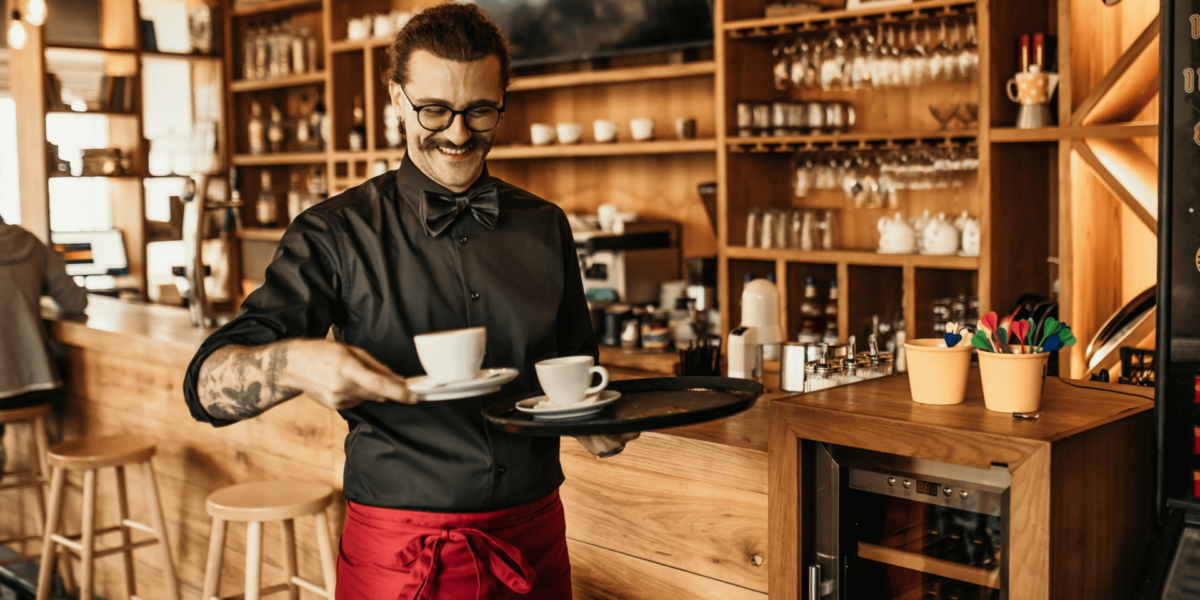
The emotional blueprint behind every brew includes the people who make it. Baristas play a key role in reinforcing café rituals. A greeting, eye contact, or remembered name builds familiarity. These small, consistent interactions form a connection that can define someone’s entire day.
Customers return not only for the drink but for the feeling of being recognized. Even on busy mornings, when service is fast, a single thoughtful moment can carry emotional weight. Rituals feel more powerful when they include human acknowledgment.
Visual and Sensory Details Reinforce Memory
Color, texture, lighting, and scent create a sensory environment that influences memory. When customers walk into a space that looks and feels consistent every time, they build a mental connection to that environment. That consistency makes the ritual stronger.
A familiar scent of fresh coffee, a clean visual layout, or the warm feel of a ceramic mug—these small design choices send messages that customers remember. The more predictable and intentional the experience, the more emotionally rooted it becomes.
A Realistic Scenario: When Ritual Meets Design
Imagine a customer who visits the same café every morning. They enter to the soft sound of music, the scent of roasted beans, and lighting that feels gentle but energizing. The barista nods in recognition. Their order is simple, and the routine is clear: walk in, greet, order, wait, sit by the window.
Nothing dramatic happens—but that’s the point. The design supports their emotional rhythm. The space helps them start their day in a calm, centered way. Over time, this becomes more than a habit. It becomes a daily ritual shaped by a space that listens without speaking.
Brand Identity Is Built Through Ritual Design
Cafés that understand the emotional power of rituals use them to reinforce brand identity. A minimalist café with simple lines and soft music may attract people looking for quiet reflection. A bold, high-energy design with fast service may appeal to those with short windows between meetings.
By aligning space, service, and product with emotional expectations, the café becomes a full expression of the brand. Rituals deepen that connection, turning brand values into lived experience for each customer, every time they visit.
Rituals Drive Return Visits and Loyalty
Customers don’t return just for the coffee—they return for the feeling the experience provides. When a café consistently delivers that emotional rhythm, customers begin to seek it out. Rituals offer structure in unpredictable lives, and cafés that support those rituals become anchors.
These emotional connections create long-term loyalty. Even when better coffee might be available elsewhere, people choose familiarity. They return to the space that feels like theirs—one shaped by design, emotion, and human care.
Quiet Repetition Builds Brand Reputation
What begins as a design strategy becomes word-of-mouth value. Customers share their routines with others, post photos online, or bring friends along. They become brand advocates without needing to be asked. The consistency of their ritual gives them something worth sharing.
The strongest cafés don’t rely on loud marketing. They rely on steady, thoughtful repetition. Each detail—lighting, layout, service—plays its part in creating a memorable, repeatable experience. Over time, this becomes the brand’s strongest asset: emotional trust.
Ritual Design Is Emotional Strategy
Designing rituals is not about creating complexity. It’s about finding the quiet moments that matter most and shaping them with intention. When cafés focus on emotional design, they turn a simple transaction into a meaningful experience.
The emotional blueprint behind every brew lives in repetition, structure, and care. From layout to lighting to human interaction, each detail supports a ritual that makes people feel seen and settled. And when a café does that well, it doesn’t just serve coffee—it becomes part of someone’s life.