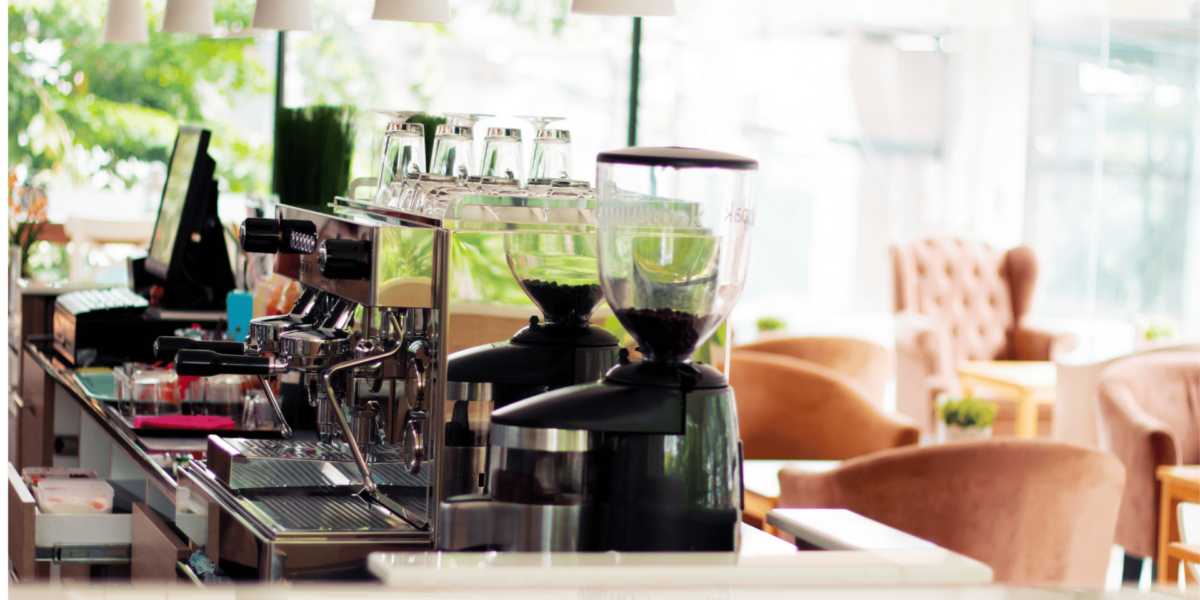
The interior of a café speaks before anyone says a word. Each design choice—from the wall color to the type of chair—sends a message. This silent storytelling creates expectations, sets the mood, and builds emotional connections. People respond to the space even before tasting the coffee.
Designers and owners must treat interior choices like words in a sentence. The furniture, flooring, art, and layout must work together to tell a consistent story. When the story feels real and grounded, customers listen with their senses. They feel something—comfort, curiosity, or even a sense of belonging.
Visual Elements Shape Perception
The way a café looks influences how people feel about their visit. Color palettes affect energy and mood. Soft tones often invite calm, while brighter hues may energize or inspire. These color decisions are not just aesthetic—they guide emotional response.
Visual design also includes texture, lighting, and artwork. A space that mixes rough woods with clean metals tells a story of balance—tradition meeting modernity. Visual harmony matters. When everything fits, people trust the environment. They feel safe, welcomed, and more likely to stay.
Layout Directs Movement and Emotion
Where people walk, sit, and linger depends on layout. This isn’t just about fitting tables into a room—it’s about guiding experience. A good layout creates a natural rhythm. Customers should move easily from the entrance to the counter, then to seating, without needing signs.
The flow of a café influences emotion. Tight paths can create urgency, while open spaces slow people down. Strategic layout choices shape how long people stay and how they interact. They create zones of activity, calm, or conversation. The design should guide without pushing, invite without overwhelming.
Materials Communicate Intent
The materials used in a café carry meaning. They help shape the story the space tells. Reclaimed wood suggests sustainability and warmth. Concrete may express boldness and strength. Glass and metal create a clean, modern feel. Every material decision matters because it adds to the space’s identity.
Texture plays a role in emotional response. Smooth, polished surfaces can feel sleek but distant. Soft fabrics or natural finishes make a place feel grounded and personal. When materials support the café’s values, the message becomes clear without explanation.
Lighting Builds Layers of Mood
Light does more than illuminate—it sets the tone. Natural light creates openness, while warm indoor lighting adds comfort. Bright, cold lighting can increase focus but may feel sterile. Dimmers, spotlights, and ambient sources each add a layer to the café’s atmosphere.
Lighting also guides the eye. It can highlight features like a pastry case or a favorite corner. It can encourage interaction or signal quiet. When light supports the intended story of the café, it helps customers engage more deeply with the space and each other.
Sound Reinforces the Story
Sound is an often-overlooked part of interior storytelling. Every café has its own soundtrack—from the music playing to the clink of cups. These layers of sound build a soundscape that affects how people feel. Volume, tempo, and acoustic treatment all shape the mood.
Designers must consider how sound flows through the space. Too much echo can cause tension, while muffled rooms feel dull. The right acoustic balance helps customers relax. A thoughtful sound environment encourages longer visits and deeper connections to the space.
The Role of Scent in Storytelling
Smell creates fast, emotional responses. A café’s scent becomes part of its brand. Fresh coffee, pastries, and warm spices can trigger comfort and trust. But scents must be managed carefully. Strong odors from cleaning supplies or food can disrupt the experience.
A well-curated scent profile adds depth to the café’s identity. Customers will remember how the café smelled—sometimes more than how it looked. Scent is personal and powerful. It connects memory to space, forming long-term impressions that bring people back.
Scenario: A Familiar Space, A Quiet Message
Imagine someone walking into their favorite neighborhood café. The soft lighting eases the transition from the busy street. Natural wood and textured fabrics make the room feel calm but alive. The quiet hum of conversation and mellow music set a gentle rhythm.
This person doesn’t need directions. The layout invites them forward, guiding them to the counter and then to their usual corner seat. The scent of espresso and warmth in the air remind them they’re in a place that understands them. Without saying a word, the café speaks: You belong here.
Cohesion Brings the Story to Life
All the design elements—visual, spatial, acoustic, and olfactory—must work in harmony. A mixed message confuses. A clear, united design builds trust. Customers can sense when a space is coherent. They know when it feels intentional and when it doesn’t.
Cohesion turns a visit into an experience. It transforms a space into a story that guests live out, even if just for a few minutes. It makes a café not only a business but a destination. Every visit becomes a chapter, and every customer feels like part of the narrative.
Designing with Meaning
Cafés do more than serve drinks—they host stories. The best ones tell those stories through space. Thoughtful interiors don’t just impress—they invite, calm, and connect. When a café speaks through its design, people don’t just listen. They return.
Design with care, and the space will speak for itself.