Sensory Design Shapes the Coffee Experience
The atmosphere inside a coffee shop directly affects how customers feel and behave. Sensory elements like scent, sound, and spatial layout work together to create a lasting impression. When a guest walks into a café, these details influence whether they stay, return, or recommend the space to others.
Coffee Aroma Builds Immediate Connection
The smell of freshly brewed coffee triggers emotional responses before any words are exchanged. Rich, warm scents signal comfort and familiarity. In a morning routine, a customer stepping inside a café may feel calm and ready to engage simply from the aroma alone. This emotional cue starts building loyalty from the first breath.
Background Music Guides Mood and Energy
Music influences pacing, conversation, and customer flow. Softer rhythms support focus and relaxation, while upbeat tracks encourage energy and social interaction. During a busy afternoon, a well-curated playlist helps regulate the café’s tempo, keeping guests engaged without feeling rushed or overwhelmed.
Spatial Layout Supports Comfort and Flow
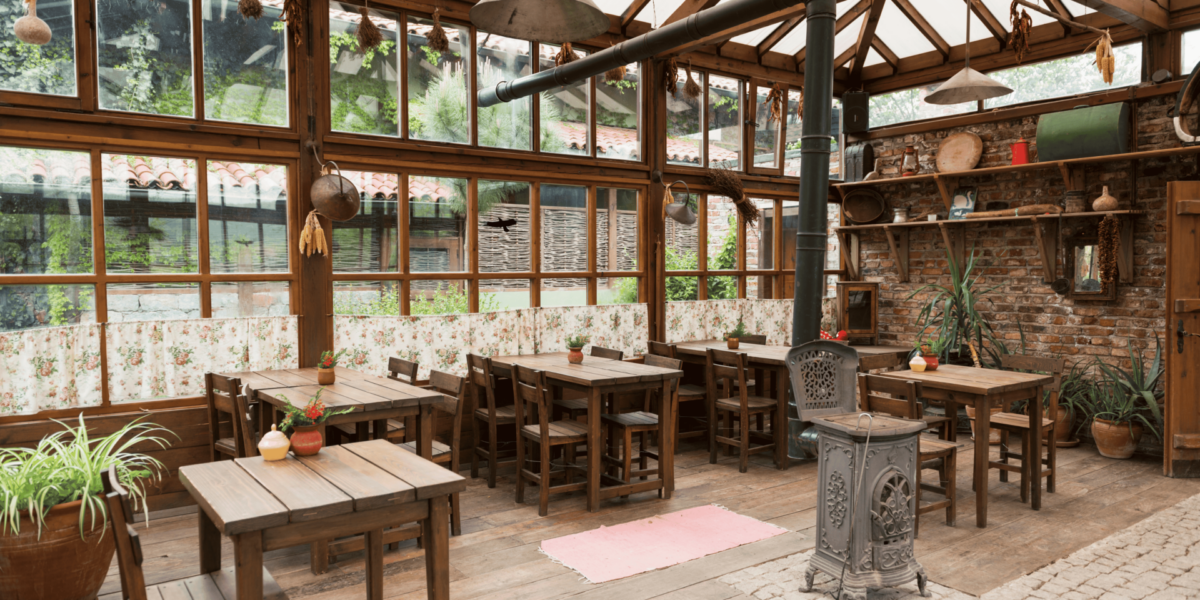
Furniture placement, walking paths, and open zones affect how people move and connect. In a practical setting, someone entering a café looks for a seat that offers both comfort and a clear view. A thoughtful layout provides private areas for individuals and social zones for groups, ensuring the space adapts to varied customer needs.
Lighting Design Enhances Emotional Tone
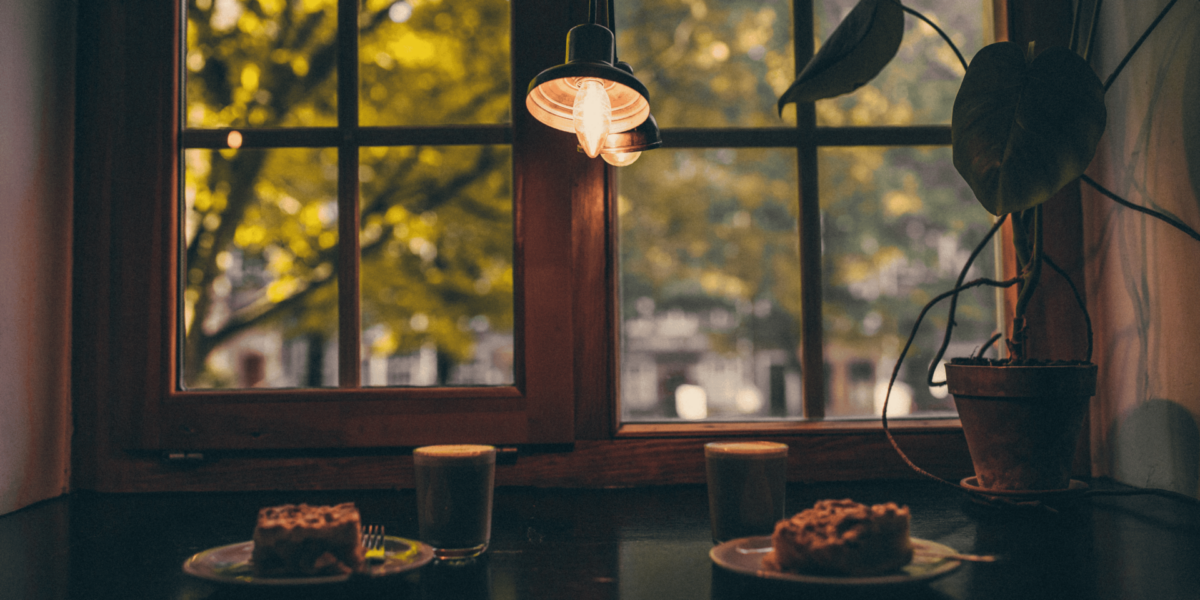
The quality and placement of lighting influence how customers interpret the space. Soft lighting can make the environment feel warm and inviting, while bright, natural light supports productivity. In a real-life moment, a guest finding a sunlit table may feel more alert and inclined to stay longer.
Acoustic Balance Maintains a Relaxed Atmosphere
Noise levels affect how people communicate and stay focused. Balanced acoustics reduce sharp sounds and support steady background noise. In an everyday café experience, someone working on a laptop or meeting a friend benefits from clear sound that allows both privacy and connection without distraction.
Interior Details Reinforce Emotional Themes
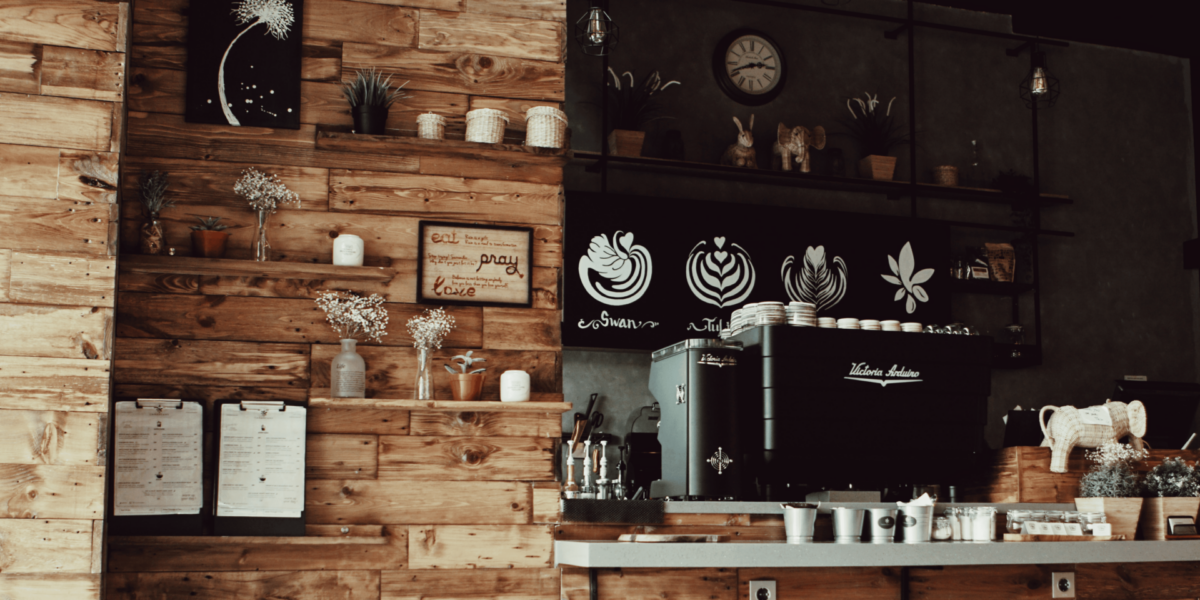
Design features like textures, colors, and artwork contribute to emotional response. Natural wood, soft fabrics, or meaningful wall decor help shape a café’s personality. In a typical visit, a guest may feel more at ease and welcome in a space where these elements align with the overall tone of the brand.
Barista Interaction Anchors the Experience
Staff behavior adds a human element to the sensory environment. A warm greeting, thoughtful suggestion, or simple eye contact reinforces emotional safety. In a morning visit, a familiar barista who remembers a guest’s name or order builds connection that keeps people coming back.
Signature Scents Define Brand Identity
Each café develops a unique scent profile based on beans, baked goods, and cleaning methods. Consistency in this aroma helps customers associate the brand with positive memories. Over time, a returning guest may link the smell with a sense of place, reinforcing brand recognition and loyalty.
Multi-Sensory Design Encourages Repeat Visits
When all sensory elements work in harmony, the café becomes a place of emotional comfort. Guests feel grounded, focused, or inspired, depending on how the space meets their needs. In a weekly routine, someone may choose one café over others simply because of how the sensory experience makes them feel.
Emotional Connection Drives Word-of-Mouth Growth
Satisfied customers often share their experiences with others. When a café creates memorable emotional moments, guests post online, tell friends, and return regularly. This type of loyalty develops not from a single cup of coffee, but from the total environment that surrounds it.
Thoughtful Sensory Design Builds Lasting Impressions
Scent, sound, and space do more than decorate a café—they shape how people think, feel, and behave. A well-designed environment uses these elements to create emotional moments that guests carry with them. In everyday life, this kind of design turns a short visit into a lasting memory, making the café a preferred part of someone’s routine.