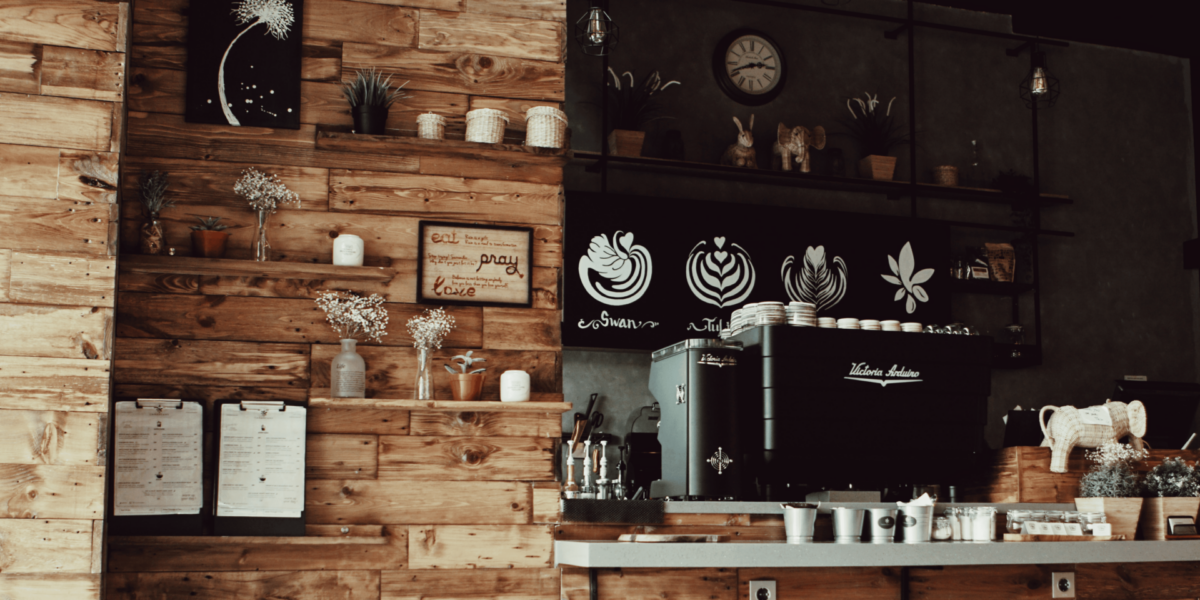
The café journey begins before customers place an order. From the moment someone sees the exterior or walks through the door, their senses take in the space. Visuals, sounds, and movement all shape their expectations. A well-planned entrance invites curiosity and guides people forward without confusion.
Cafés that understand flow use the entry point to make guests feel welcome. Clear sightlines, smooth traffic direction, and immediate cues—like lighting and scent—help set the tone. This first step influences everything that follows, including how long a person stays and how they interact with the space.
The Counter Is More Than a Transaction Point
The ordering counter plays a central role in the customer’s experience. It’s not just where payment happens—it’s where guests make decisions, ask questions, and connect with staff. How the counter is designed impacts comfort, confidence, and pace.
A clear, clean layout reduces friction. Customers should see where to order, where to wait, and where to pick up. When the process feels intuitive, guests feel more in control. Staff placement, eye contact, and voice tone all contribute to a smooth, human-centered moment. This brief interaction lays the groundwork for whether the experience feels rushed or personal.
Movement Should Feel Natural, Not Forced
After ordering, guests begin navigating the café space. Their journey should feel smooth, not awkward. A strategic layout uses furniture, lighting, and spacing to guide traffic without barriers or signs. When people can move freely and instinctively, they stay longer and feel more relaxed.
Paths between the counter, restrooms, and seating should feel obvious but unspoken. If a customer hesitates or looks lost, the layout isn’t doing its job. Design should anticipate customer choices and needs—especially during peak hours. The goal is to reduce decision fatigue and encourage easy, confident movement.
Seating Areas Define Purpose and Energy
Not all café guests come for the same reason. Some want a quiet moment alone. Others look to meet friends or hold casual meetings. The seating setup must reflect and support those different needs. A smart mix of seating options ensures people can find a spot that fits their purpose.
Low tables with soft seating invite longer visits. Bar stools or small corner tables suggest quicker stays. When arranged correctly, seating sends clear social cues without needing instructions. The energy of the room comes from how people occupy space. A well-balanced room offers both privacy and community.
Lighting Transforms Space Into Experience
Lighting impacts how people interact with their surroundings. Harsh lighting can make spaces feel sterile. Dim lighting may cause strain. The right lighting adapts to time of day and the mood of each section. Good lighting design supports the customer journey from entry to exit.
Soft light near seating areas promotes comfort. Brighter light at the counter improves visibility. Natural light connects people to the outside world and can reduce fatigue. Lighting transitions should feel smooth, not abrupt. The more aligned the lighting is with purpose, the more comfortable customers become.
Scenario: A Seamless Morning Visit
Imagine someone entering the café before work. They move easily from the door to the counter. The staff greets them by name and confirms their usual drink. The scent of espresso and the quiet hum of the grinder fill the space. As they wait, they glance around and spot their favorite window seat.
They walk to the table without needing to navigate around others. The chair is comfortable. The light is soft but clear. The sounds of the café blend into the background. For the next half hour, they feel present, focused, and relaxed. This experience didn’t happen by accident—it was designed that way.
Sound Design Balances Focus and Energy
The background noise in a café can support or disrupt the customer journey. Music, voices, and ambient sounds create an atmosphere. But poor acoustics or mismatched music can make spaces feel chaotic. Sound design should guide emotional tone and reinforce the overall space function.
A balance of sound and silence keeps energy flowing without causing distraction. Acoustic materials help absorb echo and manage volume. Playlists should match the brand’s pace and time of day. Sound becomes part of the journey—shaping tempo, setting expectations, and helping customers feel grounded.
Finishing Touches Complete the Journey
Every customer journey has an end. Whether someone takes their drink to go or settles into a long stay, the exit should feel just as intentional as the entrance. Clean-up stations, exit signage, and thoughtful goodbyes matter. These details often influence the last impression.
Subtle design cues should guide people out without rush. Friendly closing gestures, like a thank-you or nod from a staff member, add to the experience. A strong exit leaves a clear message: this space values your time and invites you back. Consistency in service and design builds trust with every return.
Emotional Connection Through Space Design
Café design should create more than efficiency. It should help build emotional connections. When customers move through the space without stress, when every corner supports a purpose, they begin to form habits. They choose that café not just for quality drinks—but because the space feels right.
Interior design affects mood, behavior, and memory. People remember how a place made them feel more than what it looked like. The most successful cafés understand that design is part of storytelling. The customer isn’t just passing through—they’re participating in a journey.
Guide Every Step With Purpose
Every part of the café—from counter to corner booth—should serve a purpose. The layout must support movement. The environment should enhance comfort. Staff should connect with intention. Together, these parts create a journey that’s smooth, enjoyable, and memorable.
Designing the café journey means thinking beyond transactions. It means seeing every guest as someone who might return tomorrow—if today’s experience feels just right.