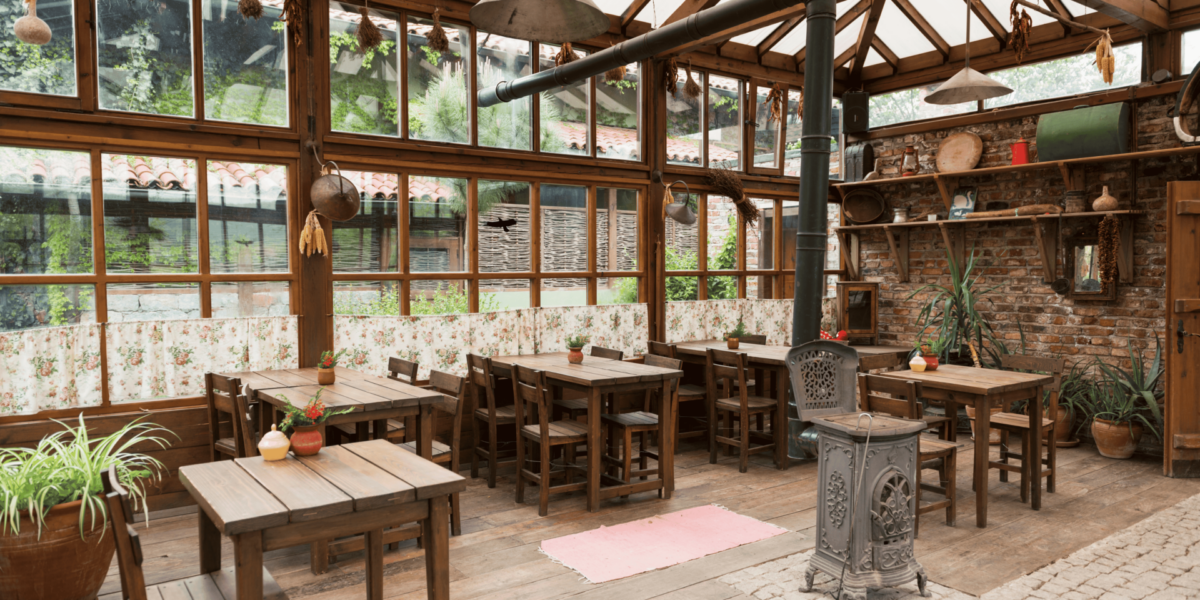
Café Architecture Sets the Emotional Tone
The physical design of a café influences how people feel the moment they walk through the door. Elements like ceiling height, wall texture, and room layout work together to create an emotional setting. In a practical scenario, a customer stepping into a warm, low-lit room may feel more at ease and linger longer compared to walking into a bright, echoing space.
Spatial Layout Balances Privacy and Social Interaction
Thoughtful space planning helps cafés serve both solo visitors and groups. Designers use zones, partitions, and varied seating types to guide social behavior. In real life, someone working alone may gravitate toward a quiet corner, while friends meet near communal tables. A balanced layout supports different customer needs without making the space feel crowded or chaotic.
Lighting Directs Mood and Behavior
The lighting scheme in a café affects everything from how long guests stay to how they interact with others. Warm lighting encourages relaxation and conversation, while cooler tones support alertness and focus. In a daily routine, a person might choose a softly lit café to unwind after work, relying on lighting to shift their mindset from busy to calm.
Material Selection Shapes Tactile and Visual Experience
Wood, fabric, concrete, and tile all carry different textures and temperatures. These choices shape how a space feels both visually and physically. In a real-world café setting, a table made of reclaimed wood might feel more personal and comfortable than one made of glass or metal. The goal is to align the material palette with the café’s overall tone and customer expectations.
Acoustic Design Controls Noise Levels
Sound impacts comfort in ways many customers notice subconsciously. Good acoustic planning ensures that music, conversation, and equipment noise blend without overwhelming the space. In a typical café visit, a guest choosing to read or work benefits from sound-absorbing surfaces that reduce sharp echoes and maintain a low hum instead of loud chatter.
Entryways and Flow Influence First Impressions
The way people move through a café matters. A clear, welcoming entrance and intuitive flow from the counter to seating improve the customer experience. In a busy morning rush, a customer quickly finding the order line and a place to sit avoids frustration. Designers who anticipate these movements make the space feel natural and easy to navigate.
Color Psychology Reinforces Emotional Connection
Color palettes play a subtle but powerful role in how a space is perceived. Soft neutrals, warm earth tones, or muted greens can encourage calm, while bright accents add energy. A guest visiting a café that uses calming colors may find it easier to stay longer, hold conversations, or return regularly. The visual atmosphere supports emotional comfort.
Furniture Design Affects Posture and Presence
The choice of chairs and tables affects how people interact within the space. Comfortable seating with the right height and support invites people to settle in. In a realistic café visit, someone who finds a cushioned seat with a sturdy table is more likely to stay and work, increasing their connection to the environment.
Outdoor Spaces Extend the Sense of Belonging
Outdoor areas offer flexibility for seating, fresh air, and natural light. These spaces often attract people who enjoy quieter surroundings or want more room. A regular customer may return to a café simply because of a cozy patio that offers a break from indoor routines. Thoughtfully designed outdoor areas expand the café’s comfort zone.
Personal Touches Build Emotional Warmth
Design elements like artwork, shelves, books, or plants make cafés feel more human. These small details help create a space that feels cared for and lived in. In a realistic customer experience, noticing a handwritten menu or local artwork fosters a connection between guest and space, encouraging return visits.
Design Choices Support Customer Loyalty
When people feel good in a space, they return. A café designed with comfort, flow, and intention builds emotional trust with guests. In long-term customer behavior, individuals are more likely to recommend the café to friends, spend time there regularly, and view it as part of their routine. Comfort leads to loyalty, and architecture makes that possible.
Comfort-Driven Design Shapes Memorable Cafés
The architecture of a café does more than organize space—it shapes memory, emotion, and behavior. Each design decision influences how customers feel, move, and connect. In practice, a well-designed café becomes more than a stop for coffee. It becomes a place where people feel grounded, welcomed, and at home.