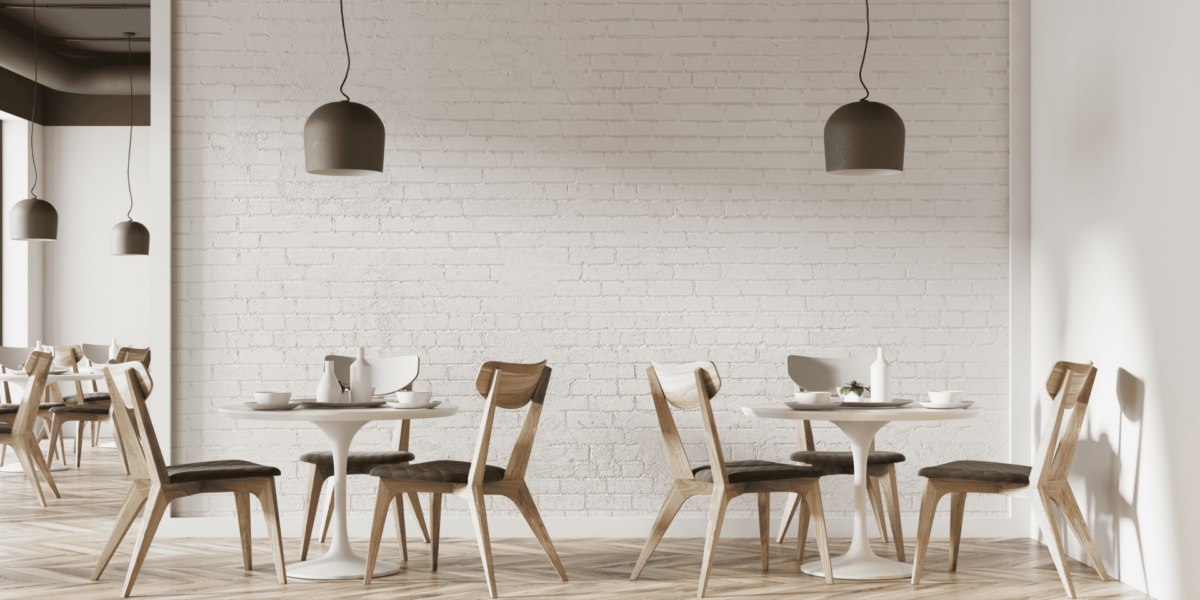
Café Aesthetics Influence Customer Perception
The design of a café shapes how customers interpret the food and drink. Visual details like furniture, lighting, and color schemes affect how guests view quality and care. In a real-world setting, a person stepping into a well-designed space often assumes the same level of attention extends to the coffee and food.
Interior Design Reinforces Brand Values
A café’s interior reflects its personality and mission. Whether the space feels minimal, rustic, or eclectic, design choices tell a story. In a daily visit, a guest who aligns with that story is more likely to feel a connection. This connection helps build loyalty by creating a space that feels familiar and intentional.
Color and Texture Affect Taste Perception
Visual elements in a café influence how flavors are experienced. Warm tones and natural textures make food appear richer and more inviting. In a seated experience, a customer surrounded by earthy materials may describe their drink or pastry as more comforting, even if the recipe remains the same.
Layout Enhances Function and Flow
A clear, logical layout improves the experience for both customers and staff. Design impacts everything from how lines form to where guests sit. In a busy café, a person can navigate more easily when seating areas, counters, and exits follow a natural order. A well-planned layout also supports better service by minimizing confusion and wait times.
Lighting Supports Mood and Flavor
Lighting affects both how food looks and how people feel. Soft lighting can make drinks appear smoother and desserts more appealing. In a realistic moment, a guest choosing a seat by a warm light source may stay longer and order more. Bright, even lighting creates a clean, open feel that pairs well with modern, simple flavors.
Furniture Design Encourages Relaxation or Activity
Chairs, tables, and counters set the tone for how long people stay and how they interact. Low seating and cushioned chairs invite longer visits, while high stools near windows support shorter breaks. In daily use, someone may pick a seat based on mood, time constraints, or purpose—and the furniture layout either supports or blocks that choice.
Display and Presentation Boost Flavor Expectations
How food and drinks are presented inside the space influences how they are received. Display cases, open kitchens, and thoughtful plating shape the customer’s view before the first bite. In a typical café visit, seeing pastries arranged with care or drinks served with consistent detail builds anticipation and trust in quality.
Soundscapes Complement Visual Design
Music and ambient noise shape how a space feels. Soft acoustic music supports comfort, while electronic tracks enhance modern interiors. In a café with sleek lines and polished surfaces, matching sound choices enhance the full sensory experience. The right sound supports the feeling the café intends to create.
Art and Decor Reinforce Café Personality
Wall art, bookshelves, signage, and plant life contribute to brand expression. These choices show care and intention in crafting a welcoming space. In a return visit, a customer might recognize these details and feel at ease, knowing the environment matches their preferences and expectations.
Barista Visibility Bridges Design and Craft
An open coffee bar shows guests how drinks are prepared and reflects transparency. It also creates a visual link between the café’s design and its flavors. In a high-traffic location, customers who can watch skilled preparation behind a clean, styled counter gain confidence in the product and the brand.
Design and Flavor Work Together to Build Loyalty
When the look and feel of a café align with its menu, the entire experience feels seamless. In long-term customer behavior, a guest will return not just for taste, but for how the space made them feel. When design complements flavor, the café becomes more than a stop—it becomes a part of someone’s daily rhythm.
Modern Cafés Thrive on Thoughtful Aesthetics
Café design plays a key role in shaping how food and drinks are experienced. Every detail, from lighting to seating, helps build a full sensory journey. In everyday visits, customers respond to these cues, forming opinions about quality and deciding whether to return. The modern café succeeds when design and flavor support each other, creating a space where people want to be.