
How Material Choices Reflect a Café’s Brand Philosophy

Material Selection Shapes Brand Perception

The materials used in a café reflect its values, priorities, and purpose. Customers notice more than flavor when they visit a café. The walls, tables, floors, and finishes all send a message about the brand. Materials speak through texture, temperature, sound, and sustainability. Every surface tells part of the story—whether the brand values comfort, speed, tradition, or innovation.

Natural Materials Communicate Warmth and Simplicity

Wood, stone, and linen reinforce a grounded, approachable brand identity. When a café chooses raw wood or natural stone, it signals a preference for authenticity. These materials add texture and warmth, helping customers feel at ease. Linen or cotton fabrics on cushions or curtains reinforce this softness. Together, they form an environment that prioritizes calm, connection, and comfort—core themes for brands that highlight simplicity or community.

Realistic Scenario: A Customer Connects Through Material Language

A visitor forms a lasting impression based on tactile and visual cues. A customer enters a café for the first time. They notice the wood grain on the tabletops, the soft leather of the seat, and the matte stone counter. Nothing feels cold or loud. As they sip their drink, their hand rests on a smooth, natural surface. The space feels quiet and deliberate. Though they never read a mission statement, the material palette tells them what the café values.

Industrial Finishes Reflect Efficiency and Urban Energy

Steel, concrete, and glass express a focus on speed, function, and precision. Cafés that embrace polished concrete floors, metal fixtures, and high-gloss surfaces tend to present a modern, minimal brand voice. These materials support durability and easy maintenance, making them ideal for high-traffic areas. They also evoke a sharper, more dynamic energy—often matching brands built on performance, consistency, or a fast-paced customer rhythm.

Reclaimed and Recycled Materials Signal Sustainability

Using second-life materials shows a commitment to environmental impact. When a café integrates reclaimed wood, repurposed furniture, or recycled metal, it turns the design into a statement. These materials show restraint and responsibility. For brands built on sustainability or local sourcing, this choice supports their mission beyond the menu. Even subtle touches—like upcycled tiles or salvaged wood accents—add credibility to the café’s brand story.

Soft Materials Promote Rest and Reflection

Upholstered furniture, felt panels, and textured finishes enhance comfort. When a café includes soft materials, it slows the environment down. Padded seating, thick textiles, and sound-absorbing elements reduce visual and auditory tension. These choices help guests relax and extend their stay. For brands that emphasize well-being or mindfulness, soft material palettes reinforce that message without needing explanation.

High-Gloss and Synthetic Surfaces Reflect Modernism

Plastic, acrylic, and polished laminates convey clarity, order, and control. Modern brands often prefer clean lines and sharp surfaces. Synthetic materials maintain uniformity and resist wear. These choices create sleek interiors with fewer distractions. For cafés focused on efficiency or innovation—especially those that operate in tech-heavy neighborhoods—synthetic surfaces support a crisp, forward-facing identity.

Material Combinations Reveal Layered Brand Stories

Blending materials allows cafés to communicate complexity and balance. Few brands live in a single tone. A café might focus on both sustainability and design precision. In that case, designers may pair reclaimed wood with steel accents or combine concrete floors with woven rugs. These combinations reflect the dual values of the brand and offer flexibility in how the space feels. When materials work together, they build nuance into the customer experience.

Surface Maintenance Speaks to Operational Priorities

Material durability and upkeep tell customers what the café values most. If tables wear unevenly or fixtures show fingerprints, customers notice. Durable surfaces signal stability and investment, while poorly maintained ones suggest shortcuts. Brands that prioritize long-term quality choose materials with both function and form in mind. Whether matte or gloss, soft or solid, the maintenance level reflects the brand’s attention to detail.

Color and Texture Strengthen the Material Message

Finishes affect how materials support the brand’s tone and pace. The same material can feel different depending on how it’s treated. Smooth wood feels more modern; rough-cut wood feels rustic. Matte concrete feels calming; polished concrete feels refined. These variations fine-tune the material’s impact, helping brands express tone without changing core elements. Texture and color guide emotional response and help define identity.

Custom Materials and Craftwork Show Local Connection

Handmade or locally sourced pieces reflect community-centered values. A café that includes ceramics from a local artist or custom-built tables by a nearby woodworker shows commitment to place. These materials carry stories customers can see and feel. They strengthen the connection between brand and community, reinforcing trust and authenticity. This choice is especially effective for cafés that celebrate craft, heritage, or locality.

Material Choices Define Brand Without Words

Every surface in a café communicates values, rhythm, and purpose. Customers don’t need a brand guide to understand what a café stands for. They feel it through the materials beneath their hands, beneath their feet, and all around them. Thoughtful material choices align design with philosophy, turning the physical space into an expression of the café’s mission. When materials match the message, customers not only see the brand—they believe in it.
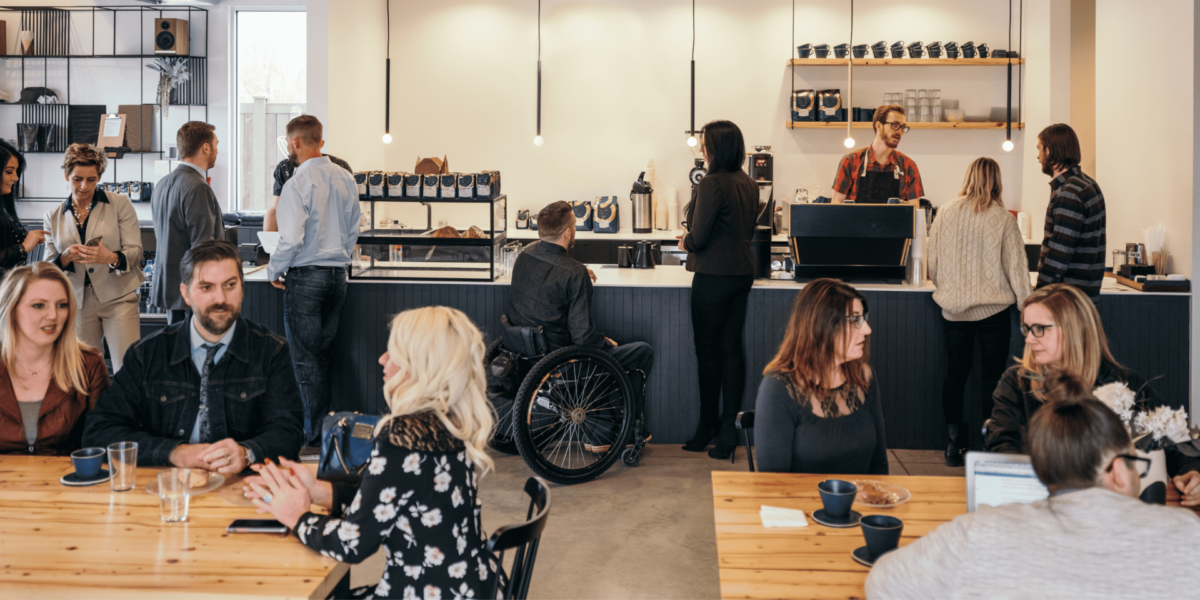
Designing for Stillness: Crafting Quiet Moments in Busy Coffee Spaces

Stillness in Cafés Begins with Design Intent

Creating quiet zones in coffee spaces starts with a clear design strategy. In busy cafés, stillness doesn’t happen by accident. Designers must plan for it. A well-placed corner, an acoustically soft material, or a shift in lighting can signal to a customer that this is a space for rest. The goal is not to eliminate activity, but to give it structure. When the design supports both energy and pause, customers can choose how they want to experience the space.

Spatial Layout Supports Quiet Zones

The arrangement of furniture and fixtures defines where people can pause. Every café has high-traffic areas: the entrance, the counter, and the pickup zone. These spaces carry energy and movement. To craft stillness, seating must live outside these paths. Designers often place single chairs, wall benches, or window nooks away from the main flow. Physical separation allows noise and motion to fade, creating areas that invite reflection, reading, or focused work.

Realistic Scenario: A Guest Seeks Stillness in a Crowded Café

A customer enters a loud, busy café and notices a quiet space near the back. The tables near the entrance are full and close together. But in the far corner, one chair sits beneath a soft light, bordered by bookshelves. The floor feels slightly quieter. The customer takes a seat, turns off their phone, and opens a notebook. They stay longer than planned—not because the café is empty, but because this part of it feels calm. That moment of stillness exists because the space makes it possible.

Acoustic Planning Reduces Distraction

Sound-absorbing materials help define quiet areas in open cafés. Fabric chairs, rugs, acoustic panels, and soft wall finishes reduce echo and carry less sound. When used strategically—especially in corners or long-stay zones—these materials create barriers between high and low energy areas. They make conversations feel private and help quiet customers feel welcome. Design choices that manage sound give stillness a physical presence in the café.

Lighting Levels Guide Emotional Response

Dimmed lighting invites quiet focus and slows physical movement. People respond to light with behavior. Bright lights speed up motion, support fast decision-making, and keep energy high. Lower lighting, especially in warm tones, promotes stillness and quiet thinking. In busy coffee shops, placing low lighting over select tables or corners signals that those spaces are meant for pause, not quick turnover.

Furniture Type Influences How Long Guests Stay

Soft, individual seating supports quiet use without requiring signage. Designers can cue behavior through furniture alone. Group tables near the center of the café often fill with lively guests. But a solo armchair in a corner, or a small table with a built-in divider, offers a different message. It tells the customer: you can stay here, and you don’t have to engage. These seating cues help establish stillness as part of the café’s offering.

Material Choices Communicate Tone

Natural, tactile materials promote slower, more mindful interaction. Materials such as wood, linen, and stone introduce warmth and texture that soften the pace of the room. In contrast, polished metal and plastic often reflect sound and light, increasing sharpness and speed. Where stillness is the goal, materials should absorb rather than bounce. This not only helps with acoustics but shapes how guests feel about their surroundings.

Visual Boundaries Create Privacy in Open Rooms

Low partitions and vertical elements give customers a sense of space. A café doesn’t need walls to create quiet zones. Bookcases, plants, low dividers, and hanging panels can separate seating without closing it off. These subtle design tools give guests visual privacy, reducing the pressure to interact or hurry. Stillness becomes easier when people feel like they are not being watched or overheard.

Soundscapes Should Match Spatial Function

Music volume and tone need to align with each seating zone’s purpose. Upbeat playlists near the counter help move customers through the ordering process. But in quiet zones, music should drop in volume and slow in tempo. Some areas may benefit from no music at all, relying instead on natural sound or minimal ambient noise. When sound is intentionally varied, it helps define how each space should feel and function.

Stillness Adds Value to the Café Experience

Designing for quiet moments supports emotional well-being and loyalty. In a fast-moving world, guests remember places that allow them to breathe. Stillness in a café isn’t just a design feature—it’s a service. People who find a space that supports reflection or concentration are more likely to return. The ability to shift gears from fast to slow inside a single café creates balance and builds brand trust.

Stillness Must Be Designed Into the Café

Quiet moments require structure, space, and sensory alignment. Cafés don’t need to choose between energy and calm. With careful planning, both can exist side by side. Through layout, lighting, materials, and sound control, designers can create quiet zones where guests rest, focus, and recharge. These moments of stillness give the café depth and meaning—transforming it from a busy coffee stop into a place of intentional pause.

The Role of Sound in Shaping a Café’s Emotional Architecture

Sound Design Begins with Intentional Atmosphere

Every café uses sound to influence how customers feel and behave. The sound environment in a café goes beyond background music. It includes voices, equipment noise, footsteps, and ambient city sounds. Each of these elements shapes how people experience the space. Whether a café wants to feel calm and cozy or loud and energetic, sound plays a direct role in achieving that emotional tone.

Acoustics Control Comfort and Conversation

A café’s acoustic design determines how sound travels and settles. The shape of the room, the height of the ceiling, and the materials used on walls and floors all affect how sound behaves. Hard surfaces reflect noise, while soft materials absorb it. When acoustics are balanced, customers can hold conversations without shouting or straining. Poor acoustics create tension, shorten visits, and lower overall satisfaction.

Realistic Scenario: How Sound Guides a Customer’s Behavior

A guest’s actions shift based on the café’s sound environment. A customer walks into a café where music plays softly, and chairs move without scraping. The air carries quiet hums of espresso machines, not sharp clangs. Voices blend rather than compete. The sound feels even, not overwhelming. As a result, the customer slows their pace, chooses a seat near the window, and stays to read. The auditory environment, although subtle, encourages them to remain and relax.

Music Selection Influences Emotional Tone

The genre, tempo, and volume of music affect how long customers stay. Slow, acoustic music lowers stress and supports longer visits. Fast beats with high volume increase energy but may reduce time spent at the table. The playlist should reflect the café’s brand and rhythm. A café that welcomes work and conversation needs a different soundscape than one focused on quick service and high turnover.

Volume Levels Impact Spatial Awareness

Consistent volume helps customers feel grounded in the space. Sudden changes in sound distract and disorient customers. Volume should remain steady across the café, regardless of location. If one zone is louder than another, it affects how people use the space. Loud areas push guests to move quickly. Quieter zones invite longer use. Sound zoning—adjusting levels across seating types—can guide behavior without signage.

Equipment Noise Affects the Brand Experience

The sounds of brewing, grinding, and steaming become part of the café identity. Cafés filled with the sounds of espresso machines and grinders can feel lively or chaotic depending on how those sounds are managed. Proper equipment placement and maintenance reduce sharp, intrusive noises. When these sounds are balanced with the rest of the café environment, they enhance the authenticity of the experience rather than overwhelm it.

Spatial Layout Shapes the Sound Environment

The way space is divided determines how sound flows through the café. Open plans allow sound to travel far, often amplifying noise levels. Partitioned layouts contain sound, giving more control over acoustics. Strategic placement of walls, bookshelves, plants, or booths can buffer noise while preserving openness. Layout choices must account for how sound moves between service counters, seating zones, and quiet areas.

Soundscapes Contribute to Emotional Memory

Customers associate sound with their overall café experience. The sensory memory of a café includes the sounds they heard during their visit. Whether it’s the subtle hiss of steamed milk or a playlist that plays consistently, sound forms part of the emotional memory customers carry with them. If the sound environment aligns with the space’s visual and physical design, the experience feels complete and repeatable.

Background Noise Shapes Productivity and Socialization

The type and level of noise influence whether customers work, talk, or relax. Low, continuous background noise supports focus, making cafés appealing to remote workers and students. Louder, more variable sound environments make people more alert and engaged, encouraging conversation. A café can shift its audience and usage simply by adjusting the acoustic profile. These small changes create large impacts on customer habits.

Staff Communication and Sound Behavior Set the Tone

How baristas and staff speak affects how customers interact. When staff communicate loudly across the café, it raises the general volume. When they speak clearly but quietly, the space feels calmer. Staff should also understand how their movements and tools contribute to noise. Setting cups down gently or using padded surfaces helps minimize disruptive sounds. Small behaviors shape the overall audio rhythm of the café.

Soundproofing Supports Consistency in Urban Settings

Exterior noise can influence the café interior unless managed. Busy streets, construction, and traffic can seep into cafés without proper insulation. Windows, doors, and walls should block or absorb outside sound to maintain control of the café environment. Strong soundproofing not only improves comfort—it also strengthens the café’s ability to shape its own identity through intentional sound.

Sound Is the Silent Partner in Café Design

Sound builds the emotional architecture that defines how a café feels. Customers may not always notice the sound design, but they feel its impact. Every echo, song choice, and equipment hum shapes their behavior, mood, and memory. When sound aligns with layout, brand, and intention, the café becomes more than a place—it becomes an experience. Designing with sound means crafting atmosphere with purpose, one note at a time.

How Café Layout Influences the Way We Drink and Dwell

Layout Shapes the Coffee Experience from Entry to Exit

A café’s layout directly affects how customers move, sit, and interact. The moment someone steps into a café, the space guides their behavior. The distance between the door and the counter, the position of the seating, and the flow between zones all affect how long someone stays, how they order, and whether they return. A well-planned layout doesn’t just support operations—it shapes the emotional rhythm of the visit.

Entry Design Sets the First Impression

The entrance layout controls first contact and customer orientation. Customers form their first opinion within seconds of walking inside. If the entry area feels cramped, confusing, or disconnected from the rest of the café, it can lead to hesitation. A clear, open pathway toward the counter invites confidence and movement. When the layout creates an immediate sense of direction, customers enter more comfortably and decide faster.

Realistic Scenario: Movement Defined by Spatial Design

One customer’s actions reflect the influence of physical layout. A customer enters a café with clear sightlines to the register. The counter is slightly angled to welcome them. Without needing to ask, they follow the path toward the barista, place an order, and move to the left where a few stools face the window. The space naturally divides itself into zones: active ordering, waiting, and seated rest. Every choice they make feels easy—not because of signs, but because the layout quietly leads them.

Seating Zones Encourage Different Durations of Stay

Café seating design influences how long people linger and what they do. High stools near the counter support quick coffee stops. Deep benches with cushions or corner tables invite longer sessions. A successful layout offers variety—short-stay zones near the entrance and long-stay zones toward the back or quieter corners. This balance allows the café to serve both on-the-go customers and those looking to dwell.

Pathways Control Flow and Minimize Conflict

Smart spatial planning reduces traffic jams and keeps energy smooth. The width of walking paths affects how comfortably people move. If the aisle between tables is too narrow, movement feels tense. If customers crossing from entry to seating pass through crowded areas, the space becomes noisy and disruptive. Good layouts keep foot traffic clear of seated zones and direct it efficiently from one stage to the next.

Counter and Pickup Placement Influence Turnover Speed

Where the counter and pickup zones sit determines service rhythm. A well-placed service counter reduces customer confusion and increases order efficiency. When pickup is clearly separated from ordering, congestion decreases and staff can work more effectively. If people must backtrack or cross paths to get their drinks, tension rises. Layout that separates tasks supports a smoother customer journey and faster table turnover.

Furniture Placement Shapes Social Interaction

Table spacing and orientation affect how people engage with others. Close tables support conversation but reduce privacy. Spread-out seating allows solo focus but may limit social energy. Layout should match the café’s brand: a community-focused café might place long communal tables in the center; a quiet retreat may isolate seating along windows. Placement isn’t just about fitting furniture—it’s about setting the social tone of the space.

Light Zones Reinforce Movement and Mood

Natural and artificial lighting influence where people sit and how long they stay. People naturally gravitate toward well-lit spaces, especially near windows. By placing long-stay seating in light-rich areas and high-turnover zones in shaded spots, layout supports the intended use of each zone. The balance between brightness and dimness directs attention, shapes mood, and defines the behavior in different parts of the café.

Layout Supports Operational Flow Behind the Counter

Efficient staff movement depends on how the back-of-house connects to the front. While customers experience the public side of the layout, the barista’s movement behind the counter also matters. If the espresso machine, sink, and register are poorly aligned, service slows down. A strong café layout considers how staff move, communicate, and hand off drinks, improving both speed and quality of service.

Restroom and Exit Locations Affect Overall Comfort

Even secondary layout decisions impact how welcome customers feel. A hidden restroom or a crowded exit disrupts the flow of a visit. Placing facilities in accessible yet discreet areas helps maintain calm and comfort. Similarly, an exit that passes too closely to seated areas can create noise and stress. Layout must support the full timeline of a visit—from arrival to departure—without creating friction.

Consistent Layout Reinforces the Brand Experience

Spatial design must match the brand’s identity and intended pace. A café focused on fast service should have a layout that pushes movement—narrower aisles, visible counters, minimal seating. A café that promotes relaxation should stretch the layout—offering room to breathe, stay, and settle. Every design choice should align with the brand promise. When the layout matches the message, the café becomes more than a space—it becomes a place customers trust.

Layout Is the Silent Guide in Every Café Visit

The physical structure of a café shapes how customers behave and feel. From the entrance to the seating to the pickup counter, layout design influences every decision a customer makes. A thoughtful layout doesn’t just look good—it works. It guides movement, supports comfort, and brings a café’s identity to life. When people choose to return, it’s often because the space just felt right. And that feeling starts with the layout.