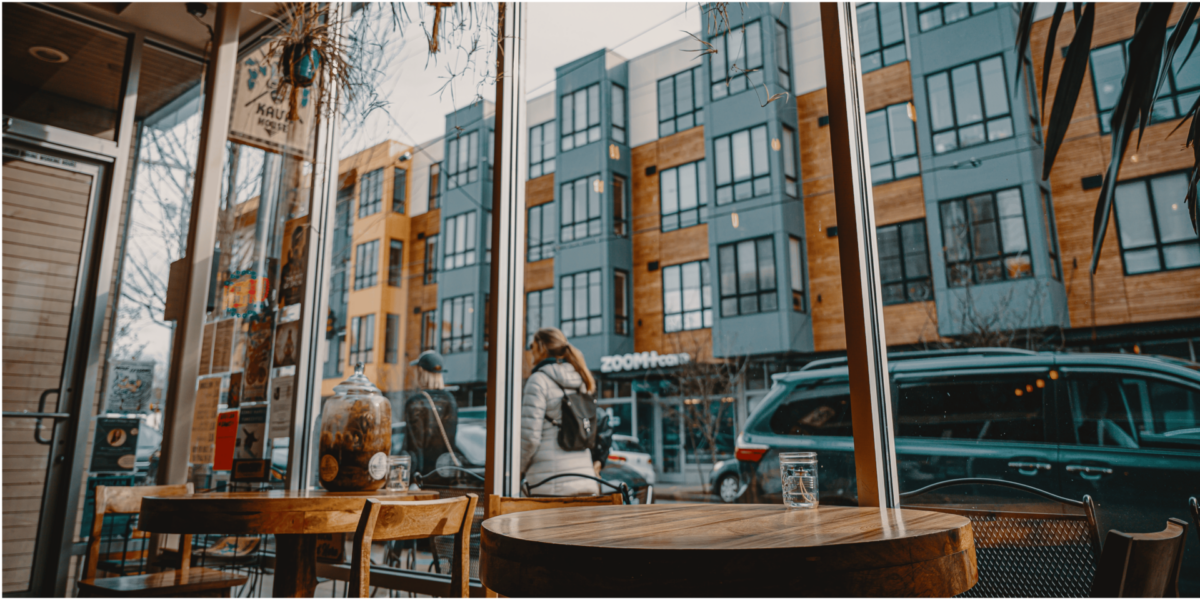
The Architecture of Pause: Designing for Moments of Stillness

Understanding the Need for Stillness in Everyday Spaces

Modern life moves fast, and most environments reflect that urgency. Designing for stillness requires a different mindset. It means creating spaces that support quiet, not distraction.

Imagine a person entering a building after a long day. They don’t need more noise, light, or pressure. They need space to breathe. The design should meet them with calm—a hallway without clutter, soft light at eye level, and sound that doesn’t echo. This is the architecture of pause. It’s not about emptiness, but about presence.

Designing Spaces That Slow the Pace

Effective spatial design controls speed. Layouts influence how people move. Narrow paths, harsh lighting, and background noise increase tension. Wider walkways, soft transitions, and natural materials ease the body and slow the mind.

In a calm waiting area, the flooring absorbs sound. Chairs offer physical comfort without forcing conversation. The walls curve slightly, avoiding sharp angles. These details change behavior. People sit longer. Their shoulders relax. They notice time passing differently. The design slows them down, without asking them to stop.

Lighting That Supports Mental Quiet

Lighting sets the emotional tone of a room. Overhead fluorescents create pressure. Diffused, layered lighting promotes focus and calm. It doesn’t compete with attention—it supports it.

Picture a reading room with adjustable lamps near each seat. The general lighting stays low, but task lights allow control. The room doesn’t overwhelm. It gives space for the eyes to rest. This encourages deeper concentration, not because the room demands silence, but because the light allows it.

Material Choice That Grounds the Senses

Materials affect more than style—they affect the nervous system. Cold, hard surfaces create distance. Warm, textured materials like wood, linen, or clay encourage connection. They ground people in the present.

A space meant for pause might use untreated wood beams and thick woven cushions. The air smells like the materials, not artificial scent. The room doesn’t shine—it absorbs light and sound. When people walk in, they feel anchored. They stop checking their phone. They take slower breaths. That’s the result of material awareness.

Layouts That Prioritize Privacy and Focus

Open-concept design has limits. For moments of stillness, people need edges, walls, and defined zones. Layouts should guide movement gently, offering places to stop without pressure.

In a wellness center, one corridor leads to a small alcove with a single bench. No sign points to it. It’s there for those who need it. This type of layout respects quiet choices. It doesn’t force use but makes space for it. People return to those corners because they feel seen—even when alone.

Creating Auditory Relief with Sound Design

Noise shapes how people interact with a space. Designing for stillness means managing sound. That could mean insulation, soft flooring, or built-in white noise. Silence itself becomes part of the design.

Inside a meditation room, there’s no hum of machines. Walls dampen outside sound. A water feature creates subtle motion without breaking quiet. The space doesn’t just look calm—it sounds calm. In this environment, people don’t whisper out of fear. They speak softly because the room invites it.

Integrating Natural Elements That Ease the Mind

Nature doesn’t rush. Bringing natural elements into design slows people down. Plants, sunlight, and airflow can reset attention and reduce mental clutter.

Picture a quiet corridor with a skylight. Ferns sit in the corners, and the air feels fresh. Even without outdoor access, the presence of natural elements changes the way people interact with the space. They don’t hurry through it. They pause—sometimes without realizing why.

Furniture That Encourages Pause Without Distraction

Furniture should support stillness without pulling focus. That means fewer features, no screens, and comfortable shapes that don’t feel rigid. The goal is not entertainment but restoration.

In a reflection room, the chairs don’t recline or rock. They cradle the body without asking it to do anything. The table has no magazines. The space communicates clearly: rest is enough here. This helps people reset, think, or simply sit. That’s what the room is built to hold.

Wayfinding That Reduces Cognitive Load

Unclear signage, cluttered layouts, and harsh visual contrast all force the brain to work harder. When designing for pause, simplicity becomes essential. People should navigate the space without thinking about it.

In a public library, signs use one font, in one color, placed at consistent eye level. The walls aren’t covered in visual noise. Visitors move calmly from one area to another. This reduces mental strain and supports stillness. The environment clears the path for focus.

Designing for Repeat Stillness

Stillness should be accessible, not rare. Spaces built for pause need to support that purpose every day, not just in ideal conditions. That means maintenance, lighting control, and layout that holds its purpose over time.

A university installs silent rooms for students. The furniture stays in place. The lighting doesn’t change. The soundproofing holds even during busy hours. Because the environment stays consistent, students rely on it. They begin to associate the space with stillness, and the habit grows stronger.

Architecture That Honors the Mind

The architecture of pause isn’t a trend. It’s a response to noise, speed, and overload. It prioritizes people’s internal state over productivity. It builds quiet on purpose.

Designers who focus on stillness shape spaces that respect the nervous system. They don’t just decorate—they guide how people breathe, think, and move. These choices matter every day, in every space. Stillness isn’t empty. It’s full of attention, presence, and clarity. When buildings make room for that, people change how they live in them.
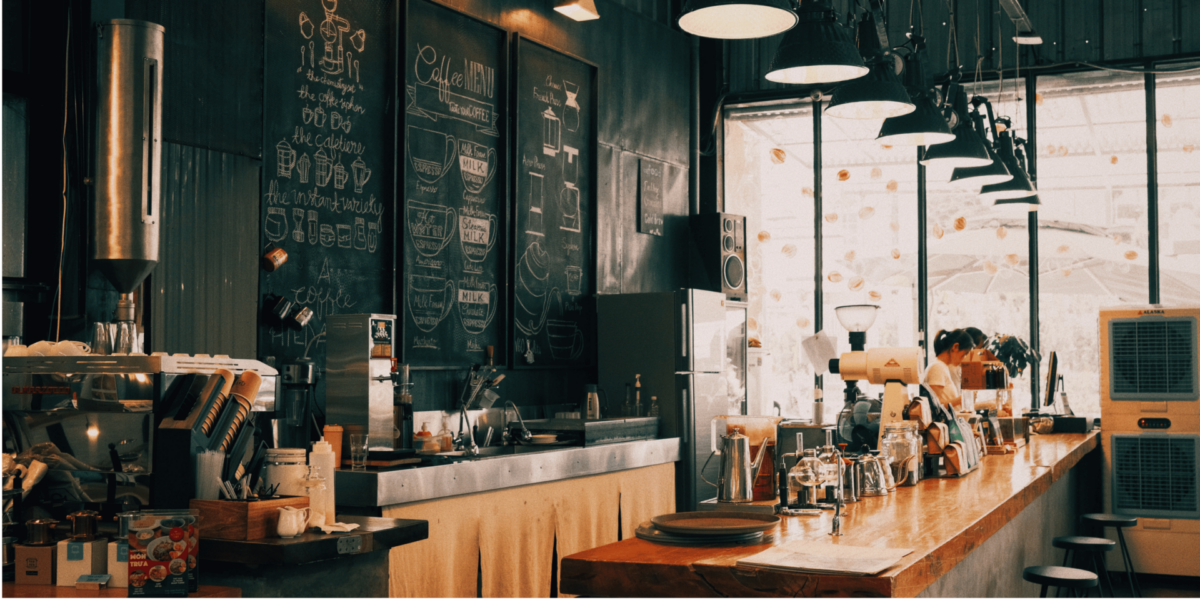

Why Every Café Should Feel Like a Well-Worn Novel

Designing a Café That Tells a Story

A well-designed café does more than serve drinks—it tells a story. Just like a worn novel, a café should reveal its character with every corner, every scent, every sound. The goal isn’t to impress on first glance but to invite people into a world they want to return to.

Imagine walking into a space that feels lived-in yet intentional. The chairs don’t match perfectly. The lights cast a soft, golden hue. You don’t feel like a customer. You feel like you’re part of something that’s been growing page by page. This story-driven approach anchors the atmosphere and creates lasting connections.

The Power of Familiar Details

People return to places that feel consistent, places where small details stay the same. Worn books keep their charm through familiar touches—the smudges, the creases, the pages that fall open to the best part. A café should aim for that same warmth and familiarity.

In a real-world café, a barista greets the same morning customers by name. The wood on the counter is scratched but clean. The playlist is never trendy but always steady. These choices aren’t random. They form the backbone of place memory—a sensory pattern that signals safety and belonging.

Creating Layers of Atmosphere

Atmosphere builds through layers. Texture, color, light, sound, and scent all work together. In a well-worn novel, readers sink into a world through detailed scenes. A café does the same with physical elements that speak softly but carry weight.

Picture a space where the floor creaks just a bit. The walls show art that hasn’t been rotated in years, but still tells the story of the neighborhood. The lighting doesn’t flood the space. Instead, it pools in corners, inviting quiet conversations. This layered atmosphere calms the mind and slows the pace, giving visitors room to breathe.

Space That Ages with Intention

A café shouldn’t chase perfection. It should age well. Like a novel with notes scribbled in the margins, a café shows its history through wear—stools polished by use, shelves slightly bowed, the smell of roasted beans sunk deep into the woodwork.

In one scenario, a café owner resists the urge to renovate after a decade in business. Instead of replacing aging furniture, they treat it, preserve it, and leave it in place. Customers notice. They don’t see damage—they see character. These choices give the space its soul and allow stories to build over time.

Encouraging Slow Movement and Long Stays

A novel asks for time. So should a café. Fast service doesn’t have to mean fast exits. The space should encourage people to sit, reflect, and return. This doesn’t mean forcing stillness, but designing for it—soft chairs, wide tables, quiet corners.

Picture someone sitting alone in a back booth with a notebook and a cold brew. No pressure to leave. No loud music or sharp lighting to chase them out. The environment allows them to think, write, and stay. This kind of space builds loyalty because it respects the customer’s pace.

Personalization That Feels Real

Every great novel has a voice. So should every café. The voice comes from choices: handwritten signs, mugs that don’t match, playlists made by staff. These touches create personality, and that personality forms connection.

In a neighborhood café, one barista always draws tiny sketches on to-go cups. Customers look forward to it. It’s not about marketing—it’s about identity. Personal touches like these don’t scale, but they don’t have to. They matter more because they aren’t automated.

Familiar Faces and Trust in the Routine

A well-worn novel brings comfort because the reader knows what to expect. A café should offer the same. This trust forms through familiar faces, regular schedules, and subtle rituals.

Think of a regular who stops in every afternoon. They sit in the same seat, order the same drink, and nod at the same staff member. That repetition isn’t boring—it’s grounding. Staff and customers both rely on these quiet patterns to make sense of their days.

Imperfection Adds Authenticity

Polished design can impress, but it doesn’t always feel honest. A slightly chipped mug can feel warmer than a branded one. A worn countertop can hold more charm than a new installation. These imperfections, when embraced, create a sense of ease.

In a long-standing café, the menu board has smudges around the corners. The paint on the windows peels a bit in the sun. No one complains. The imperfections don’t signal neglect—they signal use, care, and time. That authenticity can’t be manufactured; it’s earned.

Connection Through Time, Not Trends

Trendy cafés can attract a crowd, but they rarely hold it. People connect more deeply with spaces that feel timeless. Just like readers return to an old book, customers return to cafés that feel constant.

A café rooted in its community doesn’t shift its identity every season. It doesn’t chase viral drinks or aesthetics. Instead, it focuses on the people, the rhythm, and the reliability of its space. Over time, those values shape reputation more than any passing trend.

The Café as a Story Worth Reading

A café that feels like a well-worn novel gives more than caffeine—it gives presence. It offers room to pause, think, and belong. Just like a favorite book, it holds memories, moods, and markers of time. Customers don’t just remember the drinks. They remember how the space made them feel.

In a world that moves fast, cafés like this remind people to slow down. They don’t rely on branding or decor tricks. They rely on truth, patience, and heart. And that’s what keeps people coming back—chapter after chapter.

Beneath the Steam: The Secret Lives of Baristas After Hours

Life Beyond the Espresso Machine

Baristas spend their shifts surrounded by clinking mugs, rising steam, and the sound of espresso shots pulling in rhythm. Once the lights dim and the last customer leaves, their world shifts entirely. Off the clock, baristas move from their roles behind the counter to lives shaped by late hours, physical fatigue, and personal aspirations.

In a real-world setting, a barista walks home after closing up. Their shift ended an hour ago, but cleanup ran long. They carry the scent of coffee on their clothes and the throb of tired feet in their boots. At home, silence replaces the café’s constant noise. Their body slows down, but their mind doesn’t. Sleep comes late, often interrupted by tomorrow’s early shift creeping closer.

The Mental Reset After the Rush

The fast pace of coffee service demands emotional control. Baristas manage customer interactions with precision, sometimes juggling dozens of orders in just a few minutes. When the shift ends, their minds need time to unwind from that intensity.

In a quiet apartment, a barista sits in near-darkness, the only light coming from a laptop screen. They stare at it for a while, not watching anything, just letting the stillness catch up. The transition from service to solitude isn’t quick. It takes time to slow their heart rate, recalibrate their mood, and return to their own thoughts. This reset isn’t optional—it’s necessary to face another day behind the bar.

Creative Lives Hidden in Plain Sight

Many baristas use their free time to explore passions outside of coffee. Some pursue music, others study design, write stories, or build businesses. The skills they use in the café—focus, timing, patience—show up in these other areas of their lives too.

After a long shift, one barista sets up a home studio. Soundproof panels line the walls, and they slip on headphones. It’s late, but that’s when ideas come. The world outside is quiet. No orders to fill, no names to call out. In that space, they aren’t an employee—they’re an artist. These creative hours offer purpose beyond the paycheck and reinforce the identity they protect beneath the apron.

Physical Exhaustion and Quiet Recovery

Long shifts take a toll. Baristas spend most of their workday standing, moving constantly between machines, counters, and customers. When the day ends, recovery becomes just as important as rest.

Back at home, a barista kicks off their shoes and drops into a chair. Their knees ache, and their wrists feel sore from repeated motions. They don’t move for a while. Later, they stretch, soak their feet, and prepare for another day of doing it all again. These moments of care aren’t luxury—they’re survival. Without them, the physical demands of the job would catch up fast.

Community Outside the Café Walls

Baristas often form close bonds during work hours, but those connections don’t always end with the last shift. Off the clock, they gather in small groups—sometimes in someone’s apartment, other times at nearby bars or quiet diners. These hangouts aren’t just social. They offer a space to vent, decompress, and talk freely without the filter required in front of customers.

Picture three baristas sitting at a corner booth in a 24-hour diner. Their uniforms are wrinkled, and their shoulders slump. They laugh about the day’s rush, complain about supply shortages, and share updates about their side gigs. These meetups help baristas stay grounded and remind them they’re part of something bigger than just a shift schedule.

The Hidden Costs of the Job

Behind every clean counter and perfect latte is a job that often goes unnoticed. Baristas don’t just serve drinks—they absorb stress, manage unpredictable customer moods, and adapt to constant changes. After hours, they process what they’ve held in all day.

At midnight, one barista scrolls through job boards, wondering if there’s a path that offers more stability. They enjoy the craft but feel stuck in a loop. The wage barely covers rent, and tips fluctuate. There’s pride in what they do, but that pride doesn’t pay the bills. These quiet moments raise hard questions that rarely get asked during the daytime hustle.

Solitude in the Still Hours

When the city sleeps, baristas often stay awake—not by choice, but by rhythm. Their sleep patterns follow the demands of the café, not the clock. They eat late, think late, dream late. Solitude becomes a steady companion, sometimes comforting, sometimes heavy.

A barista lies in bed, unable to sleep. Their body feels ready to rest, but their thoughts keep replaying the day. An awkward interaction with a customer, an order mistake, a funny exchange—each moment replays. The silence of the night makes it louder. They eventually drift off, knowing the alarm will ring too soon.

Why the Barista Role Is More Than a Job

For many, being a barista isn’t just a stopgap. It’s a way to connect with people, to practice craft, and to find rhythm in routine. But the layers beneath the job run deep. Off-shift, these workers reveal resilience, complexity, and creativity that never shows during the morning rush.

Behind each perfectly poured cappuccino is a person who cleaned floors after closing, rehearsed music at midnight, stretched sore legs in silence, and planned their next move quietly while the world slept. Recognizing their lives beyond the café counter helps redefine what this work really means.

Final Thoughts on Baristas Beyond the Brew

The lives of baristas after hours are built on quiet strength. While the café showcases their hands and voices, the hours afterward show their hearts and minds. From physical recovery to creative pursuit, these behind-the-scenes moments define the job just as much as any customer interaction.

Morning customers might never see what happens after the café closes. But it’s in those private hours—beneath the steam, beneath the pressure—where the real story begins.

How the Smell of Coffee Shapes the Design of a Morning

The Role of Scent in Morning Rituals

The smell of coffee is more than just a pleasant aroma. It plays a key role in how people start their day, creating a sense of structure and readiness. When that scent drifts through a home or café, it signals a shift from rest to activity.

A realistic morning might begin with someone walking into their kitchen before sunrise. They flip the switch on the coffee maker. As the machine starts brewing, the scent begins to rise—warm, rich, familiar. This moment isn’t about the taste yet. It’s about the transition. The smell tells the brain: it’s time to wake up.

How Coffee Aroma Triggers Mental Clarity

Caffeine may activate the body, but the scent of coffee activates the mind. The olfactory system connects directly to areas of the brain responsible for memory and alertness. The smell alone can increase focus and reduce grogginess.

In a real-world design setting, think of a quiet apartment on a workday morning. The moment the coffee brews, the space changes. It shifts from sleep mode to productivity. The lighting doesn’t change, the furniture stays the same, but the scent creates a new purpose for the room.

Designing Morning Spaces with Scent in Mind

Designers are learning how to use the smell of coffee as a core part of morning spaces. Instead of relying only on color palettes or lighting, they are starting to plan how a space smells when people enter it in the morning.

In a modern kitchen, the coffee machine isn’t tucked away in a corner. It sits at eye level, near ventilation systems that allow the aroma to move freely. Countertops use warm, absorbent materials like wood, which hold scent longer than metal or tile. These decisions shape how long the coffee smell lingers, guiding the morning’s rhythm.

Coffee Shops as Morning Environments

Coffee shops use aroma intentionally. Their goal isn’t only to serve coffee—it’s to create a specific experience at the start of the day. From layout to airflow, each element helps amplify the scent and its psychological effects.

A customer steps into a café. They haven’t ordered yet, but they’re already part of the environment. The scent of freshly ground beans mixes with subtle lighting and quiet conversation. Without a word spoken, the customer knows what’s expected—order, sip, pause, begin. Designers create this effect by positioning brewing stations near the entrance and using airflow systems that spread the aroma toward the seating area.

Scent Anchors Time and Memory

Smell shapes not just the moment, but how we remember it. The scent of coffee, especially in the early hours, builds a sense of routine. Over time, the body begins to expect it. The mind associates the aroma with productivity, movement, and purpose.

In a long-term routine, this becomes automatic. A person might walk into their kitchen at 6:30 a.m. every weekday. They don’t check the time. They know it’s morning because the scent tells them so. That’s why designers often place coffee equipment in visible, easy-to-reach areas—to strengthen this daily link.

The Emotional Weight of Morning Aromas

The smell of coffee also carries emotional meaning. It isn’t just about waking up—it’s about comfort, stability, and control. This makes the aroma valuable in both home and commercial spaces.

Picture someone sitting on their balcony with a cup in hand. They aren’t thinking about the flavor. They’re breathing in the scent while the city wakes up around them. The aroma provides a boundary between private thought and public activity. Smart design honors this moment by creating spaces that hold the scent longer—enclosed patios, small indoor gardens, or nooks near the kitchen.

Crafting Mornings Through Sensory Design

Sensory design focuses on how a space feels beyond what we see. Designers who consider scent, sound, and temperature build deeper connections between people and their environments.

In a well-designed home, mornings feel effortless because every element points toward forward movement. The scent of coffee is the trigger. As it fills the air, lights turn on gradually, music plays softly, and spaces open up. A single scent kickstarts this cascade, shifting the house from stillness to motion.

The Future of Morning Design

As designers explore deeper emotional cues, coffee aroma will continue to shape how we build mornings. Smart homes now integrate scent diffusers programmed to release coffee aromas before a person wakes up. Though artificial, the smell prepares the mind for the day ahead just like the real thing.

Architects also design layouts that capture natural airflow and hold aromas longer. In these homes, the coffee scent isn’t an afterthought—it’s a core part of the architecture. Morning spaces feel alive, not because of gadgets, but because the scent leads the experience.

Building Morning Identity with Coffee Scent

Every morning builds a part of someone’s identity. The choices made—how to wake up, what to smell, where to sit—shape who they become during the day. The scent of coffee grounds this process. It offers consistency in a fast-moving world.

When designers start with scent as a foundation, they build spaces that support mental clarity, emotional comfort, and physical energy. Morning isn’t just something people go through. It becomes something they design, scent first.

When Coffee Meets Community: Architecture as a Social Connector

Architecture Creates Space for Social Exchange

Café design plays a direct role in how people connect. Cafés are more than places to buy coffee—they’re gathering points where architecture shapes how people interact. Walls, furniture, and spatial layout affect comfort, pace, and proximity. When designed with intention, a café can serve as a neighborhood anchor that supports both spontaneous and planned social experiences.

Spatial Layout Encourages Connection

Open layouts and shared tables invite social interaction. The layout of a café influences who meets and how they interact. An open floor plan with visible seating areas invites guests to observe, connect, or join others. Shared tables increase the chance of casual conversation, while defined seating zones allow people to choose how social or private they want to be. This mix of openness and structure supports different levels of engagement throughout the day.

Realistic Scenario: Guests Engage Through Designed Space

Design decisions quietly guide how people behave in the café. A group of students enters a café with modular seating. They push two tables together in a central area to study. Nearby, a couple uses a booth tucked behind a partition. Near the window, two strangers sit at a shared bench, eventually exchanging conversation over similar drink choices. Each interaction begins not through staff direction but through the design’s ability to support varying degrees of social proximity and privacy.

Entry Points Set the Tone for Community Access

The café entrance and transition space control how welcoming it feels. Wide, glass-paneled doors create transparency and visibility. This helps potential guests understand what to expect before entering. Accessible ramps, seating near the door, and visible gathering areas all increase the café’s role as a public connector. A well-considered entry says “you’re welcome here” without the need for words.

Furniture Placement Reflects Social Intent

Strategic seating design supports interaction or solitude. When furniture encourages face-to-face seating, it promotes conversation. Long tables or counters suggest community and openness. Booths, window-facing stools, and corner seating offer alternatives for those who seek quiet or focus. The range of choices allows different types of guests—friends, solo workers, or first-time visitors—to find their own rhythm in the space.

Lighting Design Shapes Social Comfort

Lighting intensity and placement influence how people relate. Soft, diffused lighting lowers stress levels and supports relaxed conversation. Bright overhead lights energize and support movement but may feel too harsh for social pauses. Architectural lighting that follows natural light zones, highlights shared spaces, and dims toward the edges can subtly guide guests to communal areas or reflective corners.

Acoustics Balance Connection and Comfort

Sound management supports both speech and solitude. In a community-driven café, acoustics must serve multiple purposes. Hard surfaces amplify noise and reduce privacy. Softer materials like upholstered seating, ceiling panels, and curtains help create acoustic balance. These materials absorb background sound, making it easier to hear others without raising voices. Controlled sound supports longer visits and better communication.

Visual Transparency Builds Trust

Open kitchens and visible barista stations support a sense of community. When customers see how drinks are made or watch baristas at work, it builds transparency and trust. It turns staff into part of the environment. This openness helps create small, frequent interactions that build loyalty over time. A café that shows its inner workings becomes less transactional and more relational.

Community Boards and Cultural Touchpoints Reinforce Identity

Designated space for local messages helps build shared purpose. A wall for community posts, rotating art by local creators, or event calendars helps customers feel part of something larger. These elements need intentional placement—visible but not intrusive—to integrate naturally with the flow of the space. These details turn a commercial space into a social one by reflecting the life outside its doors.

Indoor-Outdoor Integration Expands Community Use

Outdoor seating and transparency link cafés to neighborhood activity. Cafés that include patios, open windows, or sidewalk access strengthen their role as connectors. These architectural features reduce the barrier between inside and outside. They invite foot traffic, allow for flexible seating, and make the café feel like part of the block rather than separate from it. In this setup, architecture supports the café’s function as a hub for informal gathering.

Design Must Support Accessibility and Inclusion

A true community café welcomes people of all needs and backgrounds. Architecture should remove barriers, not add them. Accessible restrooms, counter heights that serve all users, and clear circulation paths are essential. Materials should consider sensory sensitivity, and layouts must be easy to navigate for everyone. Inclusion built into design—not added afterward—makes community-building possible.

Architecture Turns Cafés into Social Anchors

Café design does more than hold tables and machines—it hosts connection. From the moment a guest approaches the door to the time they leave their seat, architecture shapes how they feel, engage, and return. Thoughtful design makes it easier for people to meet, stay, and share space. When coffee meets community through good architecture, the café becomes more than a business. It becomes part of the social fabric—one seat, one table, and one shared experience at a time.