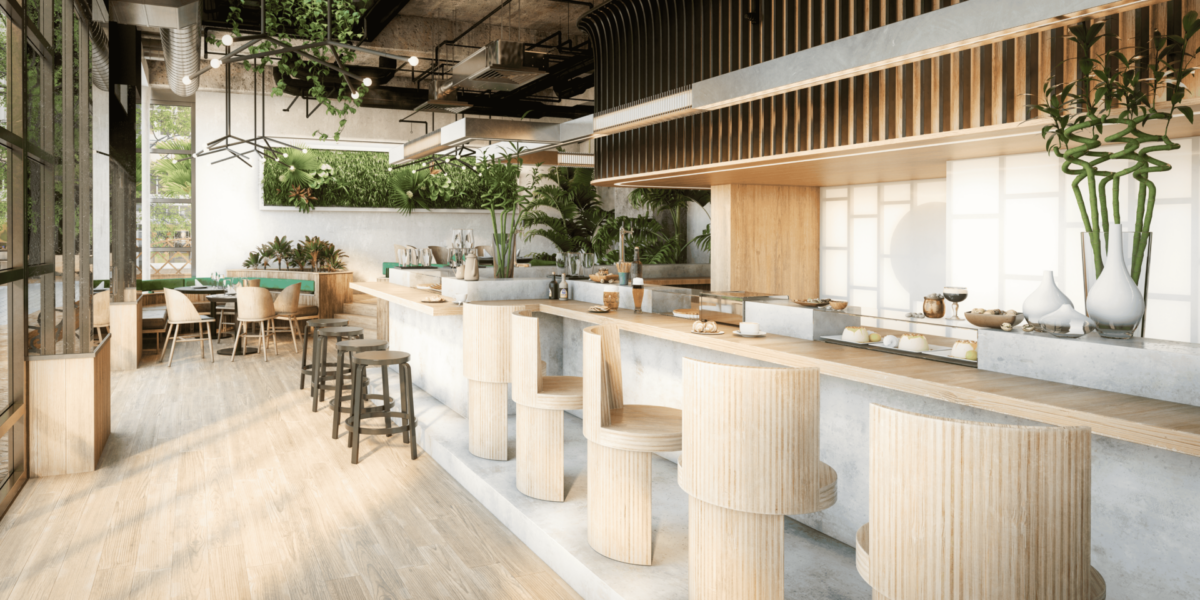
The Echo of Cups: How Sound Shapes the Café Experience

Sound Sets the First Impression

The moment someone walks into a café, sound greets them. The clink of cups, hiss of steam, and soft voices blend into a tone that either invites or overwhelms. This audio atmosphere shapes the first impression before customers even read the menu.

Volume Influences How Long Guests Stay

Noise level affects how comfortable people feel. A moderate volume encourages guests to linger, talk, and work. Loud spaces shorten visits, while overly quiet ones may feel tense. Sound design must balance these elements to support both energy and calm.

Material Choices Control Acoustics

Wood absorbs differently than tile. Brick bounces sound, while fabric softens it. Designers use these materials to guide how sound travels. A café with high ceilings and hard surfaces sounds different from one with bookshelves and curtains. These choices determine the space’s overall mood.

Furniture Arrangement Affects Noise Flow

Tables grouped tightly increase shared sound. Spread-out seating zones reduce volume overlap. Strategic placement of counters, booths, and benches controls how conversations carry. Smart layout reduces echo and gives guests control over their audio space.

Ambient Music Adds Subtle Direction

A curated playlist does more than fill silence. Music style, tempo, and volume influence pace and perception. Upbeat rhythms support movement during busy hours, while softer tracks slow things down. Music selection helps set the café’s identity.

Barista Movements Shape the Soundtrack

Every action behind the counter becomes part of the daily rhythm. Milk frothing, grinder bursts, and cash drawer clicks layer into the café’s signature soundscape. These elements should feel natural and spaced, not rushed or sharp. Repetition adds comfort through familiarity.

Shared Sound Encourages Social Flow

People often match their voice to the room’s tone. In a relaxed café, guests speak more softly. In livelier spaces, volume rises. A well-managed audio environment supports conversations that flow without competition.

Acoustic Zones Help Define Purpose

Dividing a café into sections with different sound profiles can serve multiple needs. A quiet corner might support reading or work, while the bar area carries more interaction. These zones help visitors choose their experience without strict signage.

Weather and Traffic Add External Influence

Sounds from outside—passing cars, rain on windows, footsteps at the door—blend into the café’s internal sound. Designers can work with or buffer these inputs using entryways, window placement, and insulation. The café can respond to its location rather than fight it.

Lasting Impressions Begin and End in Sound

As guests leave, the echo of cups, voices, and music follows them. These auditory cues become part of memory. A thoughtful soundscape builds positive associations, making the café a place worth returning to—not just for the coffee, but for how it feels to be there.

Where the Light Falls: Designing Cafés with Mood in Mind

Lighting Shapes the Emotional Tone of a Café

Light influences how people feel the moment they step inside a café. Warm tones invite longer stays, while cool hues support alertness. The quality of light sets expectations for behavior and comfort. A well-lit space helps visitors feel at ease, while harsh or dim lighting can interrupt that sense of calm.

Natural Light Builds Connection to Time and Place

Sunlight through windows tracks the time of day and connects the space to its surroundings. Morning rays highlight surfaces differently than late-afternoon shadows. These changes in light help create a rhythm inside the café. Customers feel in tune with the day, which supports a sense of presence and awareness.

Shadow Adds Depth and Visual Interest

Designing with light also means working with shadow. The contrast between light and dark areas gives the room texture. Shadows under tables, behind chairs, or on exposed brick walls add layers that shape how the space feels. These subtleties guide attention and create areas of focus or rest.

Task Lighting Enhances Function Without Overpowering

Individual light sources at tables or counters give customers control over their experience. Lamps with focused beams support reading, sketching, or working without affecting others. Task lighting allows privacy in shared settings and makes the space feel intentional.

Reflections Influence Perception of Space

Glass, metal, and tile surfaces bounce light across the café. These reflections soften corners and brighten darker zones. They help smaller cafés feel larger and create movement in the room as light shifts with passing time or traffic.

Layered Lighting Encourages Different Activities

Cafés benefit from multiple lighting sources working together. Overhead fixtures, wall sconces, and tabletop lamps allow the space to serve different purposes throughout the day. A morning rush feels distinct from a quiet evening simply through the way light fills the room.

Window Placement Determines Visual Flow

The layout of windows affects how light travels. Tall windows invite full daylight, while narrow panes offer glimpses that spark curiosity. The size and placement of openings shape how customers interact with the view and the space. Good design uses light as part of the floor plan, not just a backdrop.

Color Temperature Affects Mood and Energy

Lighting that leans warm encourages comfort. Cooler light supports productivity and alertness. A café can use this contrast to define zones: warm light over lounge areas, cooler tones at shared work tables. These shifts help the brain understand how to behave in each part of the room.

Dimmer Controls Allow Light to Match the Hour

As natural light fades, artificial sources should adjust. Dimmer systems give staff the ability to shape mood throughout the day. Lower light in the evening signals rest and quiet, while brighter tones during peak hours keep energy steady. These shifts help the café match the pace of its guests.

Mood Becomes Memory Through Light Design

The way a café uses light becomes part of how people remember it. A corner lit by sunset or a soft bulb over a favorite chair anchors emotional connection. Through careful light design, cafés create more than ambiance—they build experiences that last beyond the visit.

Quiet Tables, Loud Ideas: Why the Right Café Can Change Your Mind

Café Atmosphere Shapes Thought Patterns

The mood of a café directly influences how people think. Soft lighting, steady background sound, and moderate foot traffic create a space that supports focused thinking. A balanced environment makes it easier to shift into a reflective or creative state without distraction.

Seating Placement Affects Mental Engagement

Where someone chooses to sit changes how they interact with their thoughts. A seat near the window may invite observation. A corner table offers privacy and calm. This physical separation from busy areas allows for deeper concentration and encourages clear thinking.

Ambient Sound Supports Cognitive Flow

The low hum of conversation, coffee machines, and footsteps creates a consistent background that helps filter internal noise. Unlike silence, which can feel isolating, ambient café noise grounds the mind. It supports cognitive flow by offering a subtle rhythm that keeps attention anchored.

Design Details Trigger Mental Shifts

Materials like wood, brick, and stone influence how the space feels. These textures can inspire new ideas by creating a physical connection to the environment. The arrangement of books, artwork, or handwritten menus also gives the eye points of interest, which help trigger thought without distraction.

Familiarity Builds Mental Comfort Zones

Returning to the same café over time creates a personal link between the space and the creative mind. This sense of place supports mental comfort and routine. As the brain associates the location with productive thought, the environment becomes a natural trigger for idea development.

Isolation Without Disconnection Fuels Insight

A good café provides solitude without making someone feel alone. Surrounded by strangers and activity, thinkers can turn inward without losing connection to the world. This balance helps ideas form in context, rather than in isolation.

Movement Within the Space Adds Momentum

Short walks to order, refill, or adjust seating offer natural breaks in thinking. These small movements keep the body engaged, which supports mental clarity. The pause between writing and sipping allows space for insight to surface without interrupting focus.

Time Feels Structured but Flexible

Cafés operate on a gentle schedule. People come and go, lights shift, and staff move through routines. This structure helps frame creative work without imposing a strict deadline. The rhythm of the café encourages progress through time awareness, not time pressure.

The Presence of Others Encourages Self-Reflection

Seeing others work, read, or rest provides a quiet form of motivation. Without direct interaction, their presence supports a sense of shared purpose. This unspoken accountability helps people stay present with their own thoughts.

The Right Setting Makes Ideas Tangible

In the right café, ideas move from concept to form. The setting encourages clarity by grounding thoughts in real space and time. Quiet tables allow loud ideas to take shape, offering the right conditions for the mind to change, create, and continue.