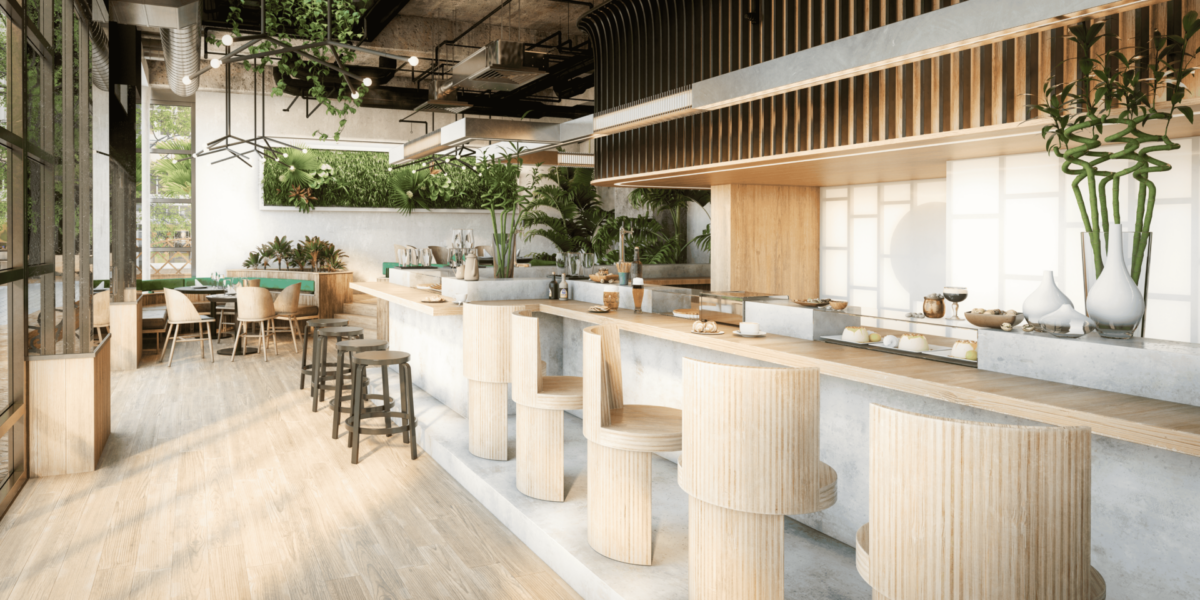
Lighting Shapes the Emotional Tone of a Café
Light influences how people feel the moment they step inside a café. Warm tones invite longer stays, while cool hues support alertness. The quality of light sets expectations for behavior and comfort. A well-lit space helps visitors feel at ease, while harsh or dim lighting can interrupt that sense of calm.
Natural Light Builds Connection to Time and Place
Sunlight through windows tracks the time of day and connects the space to its surroundings. Morning rays highlight surfaces differently than late-afternoon shadows. These changes in light help create a rhythm inside the café. Customers feel in tune with the day, which supports a sense of presence and awareness.
Shadow Adds Depth and Visual Interest
Designing with light also means working with shadow. The contrast between light and dark areas gives the room texture. Shadows under tables, behind chairs, or on exposed brick walls add layers that shape how the space feels. These subtleties guide attention and create areas of focus or rest.
Task Lighting Enhances Function Without Overpowering
Individual light sources at tables or counters give customers control over their experience. Lamps with focused beams support reading, sketching, or working without affecting others. Task lighting allows privacy in shared settings and makes the space feel intentional.
Reflections Influence Perception of Space
Glass, metal, and tile surfaces bounce light across the café. These reflections soften corners and brighten darker zones. They help smaller cafés feel larger and create movement in the room as light shifts with passing time or traffic.
Layered Lighting Encourages Different Activities
Cafés benefit from multiple lighting sources working together. Overhead fixtures, wall sconces, and tabletop lamps allow the space to serve different purposes throughout the day. A morning rush feels distinct from a quiet evening simply through the way light fills the room.
Window Placement Determines Visual Flow
The layout of windows affects how light travels. Tall windows invite full daylight, while narrow panes offer glimpses that spark curiosity. The size and placement of openings shape how customers interact with the view and the space. Good design uses light as part of the floor plan, not just a backdrop.
Color Temperature Affects Mood and Energy
Lighting that leans warm encourages comfort. Cooler light supports productivity and alertness. A café can use this contrast to define zones: warm light over lounge areas, cooler tones at shared work tables. These shifts help the brain understand how to behave in each part of the room.
Dimmer Controls Allow Light to Match the Hour
As natural light fades, artificial sources should adjust. Dimmer systems give staff the ability to shape mood throughout the day. Lower light in the evening signals rest and quiet, while brighter tones during peak hours keep energy steady. These shifts help the café match the pace of its guests.
Mood Becomes Memory Through Light Design
The way a café uses light becomes part of how people remember it. A corner lit by sunset or a soft bulb over a favorite chair anchors emotional connection. Through careful light design, cafés create more than ambiance—they build experiences that last beyond the visit.