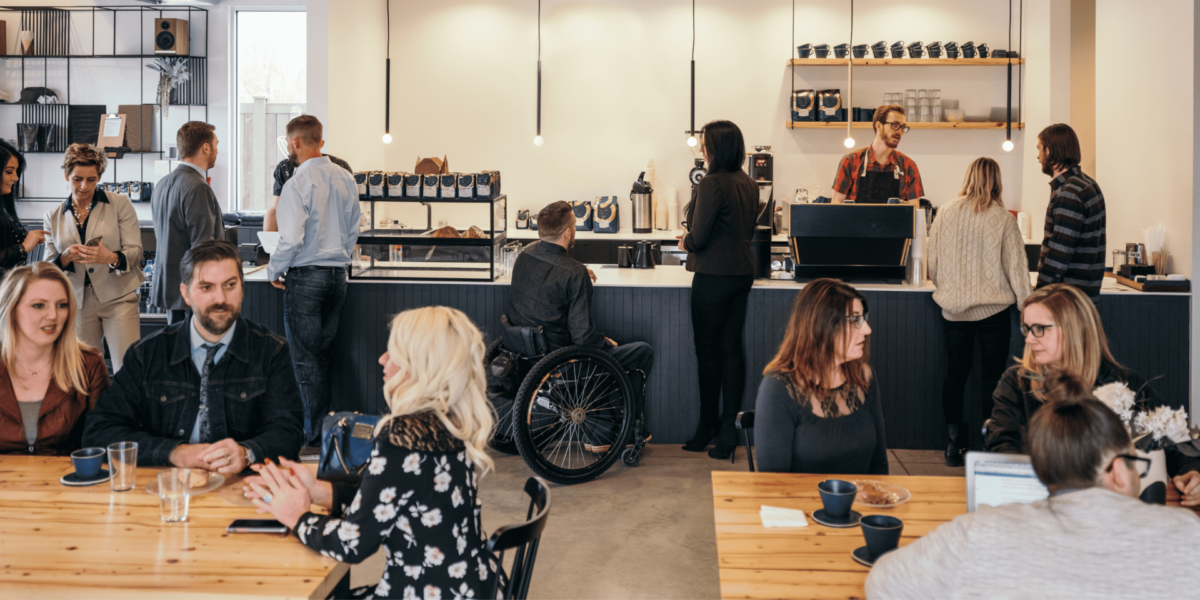
The Echo of Cups: How Sound Shapes the Café Experience

Sound Sets the First Impression

The moment someone walks into a café, sound greets them. The clink of cups, hiss of steam, and soft voices blend into a tone that either invites or overwhelms. This audio atmosphere shapes the first impression before customers even read the menu.

Volume Influences How Long Guests Stay

Noise level affects how comfortable people feel. A moderate volume encourages guests to linger, talk, and work. Loud spaces shorten visits, while overly quiet ones may feel tense. Sound design must balance these elements to support both energy and calm.

Material Choices Control Acoustics

Wood absorbs differently than tile. Brick bounces sound, while fabric softens it. Designers use these materials to guide how sound travels. A café with high ceilings and hard surfaces sounds different from one with bookshelves and curtains. These choices determine the space’s overall mood.

Furniture Arrangement Affects Noise Flow

Tables grouped tightly increase shared sound. Spread-out seating zones reduce volume overlap. Strategic placement of counters, booths, and benches controls how conversations carry. Smart layout reduces echo and gives guests control over their audio space.

Ambient Music Adds Subtle Direction

A curated playlist does more than fill silence. Music style, tempo, and volume influence pace and perception. Upbeat rhythms support movement during busy hours, while softer tracks slow things down. Music selection helps set the café’s identity.

Barista Movements Shape the Soundtrack

Every action behind the counter becomes part of the daily rhythm. Milk frothing, grinder bursts, and cash drawer clicks layer into the café’s signature soundscape. These elements should feel natural and spaced, not rushed or sharp. Repetition adds comfort through familiarity.

Shared Sound Encourages Social Flow

People often match their voice to the room’s tone. In a relaxed café, guests speak more softly. In livelier spaces, volume rises. A well-managed audio environment supports conversations that flow without competition.

Acoustic Zones Help Define Purpose

Dividing a café into sections with different sound profiles can serve multiple needs. A quiet corner might support reading or work, while the bar area carries more interaction. These zones help visitors choose their experience without strict signage.

Weather and Traffic Add External Influence

Sounds from outside—passing cars, rain on windows, footsteps at the door—blend into the café’s internal sound. Designers can work with or buffer these inputs using entryways, window placement, and insulation. The café can respond to its location rather than fight it.

Lasting Impressions Begin and End in Sound

As guests leave, the echo of cups, voices, and music follows them. These auditory cues become part of memory. A thoughtful soundscape builds positive associations, making the café a place worth returning to—not just for the coffee, but for how it feels to be there.

Steam and Shadows: What Morning Coffee Reveals About a City

The First Brew Reflects the City’s Rhythm

As the city wakes, steam rises from café counters and corner windows. The pace of morning coffee service mirrors how quickly or slowly the streets begin to stir. A fast line at sunrise tells one story; a quiet, deliberate pour tells another. How coffee flows in the early hours shows the rhythm of the day ahead.

Neighborhood Cafés Anchor Daily Movement

Local cafés shape the start of each morning by serving as consistent meeting points. Whether on a residential street or near a transit line, these spaces influence pedestrian routes. People adjust their routines around a trusted cup, choosing paths based on familiarity and timing.

Barista Interactions Reflect Urban Attitudes

The tone of morning exchanges—brief nods, warm greetings, or total silence—offers insight into the city’s social energy. In some places, baristas memorize names and orders. In others, speed and efficiency take priority. These moments at the counter show how people connect—or choose not to—before the city fully wakes.

Espresso Machines Echo the City’s Soundscape

Steam bursts, grinders hum, and porcelain clinks. These sounds, layered with passing traffic and footsteps, create a distinct audio backdrop. The type and tempo of these sounds match the city’s atmosphere. In quieter districts, the café soundscape softens. In dense zones, it blends into the larger urban noise.

Morning Light Shapes the Café Experience

As sunlight filters through windows and hits polished surfaces, it defines how a space feels. Some cafés fill with golden warmth, while others remain shadowed and still. The way light moves across tables and walls affects how long people stay and how they begin their morning.

Café Interiors Speak Through Design Choices

Minimal counters, mismatched furniture, or precise layouts all communicate local style and function. These choices tell visitors what to expect from both the coffee and the culture. A cozy interior invites slow conversation; a sleek space encourages quick exits. Each element plays into how the city views comfort and pace.

Cup Styles and Serving Choices Reflect Tradition

Mugs, paper cups, and glass vessels say more than just preference. They reflect how the city handles time, waste, and ritual. A heavy ceramic mug may signal pause and presence. A branded to-go cup often means motion. These choices frame how coffee integrates with the city’s movement.

The Flow of Foot Traffic Mirrors Urban Density

Lines that stretch out the door or rotate steadily hint at how population density impacts routine. Crowded counters suggest high demand in compact zones. Steady, spaced traffic often points to neighborhoods with room to breathe. Foot traffic tells part of the story coffee drinkers live each morning.

Roast Selection Reveals Local Tastes

A café’s preferred roast profile—light, dark, or somewhere between—reflects the surrounding palette. Cities that favor bold, dark roasts might lean toward strong, fast experiences. Those with lighter blends may prioritize subtlety and slower sips. The roast serves as a clue to local preferences in flavor and pace.

Morning Rituals Mark the City’s Identity

Each city creates its own set of habits around coffee. Some rush. Others linger. These habits build an identity that newcomers and locals recognize through scent, sound, and style. Morning coffee becomes more than a drink—it becomes part of how a city shows itself to the world, one quiet sip at a time.

When Coffee Meets Community: Architecture as a Social Connector

Architecture Creates Space for Social Exchange

Café design plays a direct role in how people connect. Cafés are more than places to buy coffee—they’re gathering points where architecture shapes how people interact. Walls, furniture, and spatial layout affect comfort, pace, and proximity. When designed with intention, a café can serve as a neighborhood anchor that supports both spontaneous and planned social experiences.

Spatial Layout Encourages Connection

Open layouts and shared tables invite social interaction. The layout of a café influences who meets and how they interact. An open floor plan with visible seating areas invites guests to observe, connect, or join others. Shared tables increase the chance of casual conversation, while defined seating zones allow people to choose how social or private they want to be. This mix of openness and structure supports different levels of engagement throughout the day.

Realistic Scenario: Guests Engage Through Designed Space

Design decisions quietly guide how people behave in the café. A group of students enters a café with modular seating. They push two tables together in a central area to study. Nearby, a couple uses a booth tucked behind a partition. Near the window, two strangers sit at a shared bench, eventually exchanging conversation over similar drink choices. Each interaction begins not through staff direction but through the design’s ability to support varying degrees of social proximity and privacy.

Entry Points Set the Tone for Community Access

The café entrance and transition space control how welcoming it feels. Wide, glass-paneled doors create transparency and visibility. This helps potential guests understand what to expect before entering. Accessible ramps, seating near the door, and visible gathering areas all increase the café’s role as a public connector. A well-considered entry says “you’re welcome here” without the need for words.

Furniture Placement Reflects Social Intent

Strategic seating design supports interaction or solitude. When furniture encourages face-to-face seating, it promotes conversation. Long tables or counters suggest community and openness. Booths, window-facing stools, and corner seating offer alternatives for those who seek quiet or focus. The range of choices allows different types of guests—friends, solo workers, or first-time visitors—to find their own rhythm in the space.

Lighting Design Shapes Social Comfort

Lighting intensity and placement influence how people relate. Soft, diffused lighting lowers stress levels and supports relaxed conversation. Bright overhead lights energize and support movement but may feel too harsh for social pauses. Architectural lighting that follows natural light zones, highlights shared spaces, and dims toward the edges can subtly guide guests to communal areas or reflective corners.

Acoustics Balance Connection and Comfort

Sound management supports both speech and solitude. In a community-driven café, acoustics must serve multiple purposes. Hard surfaces amplify noise and reduce privacy. Softer materials like upholstered seating, ceiling panels, and curtains help create acoustic balance. These materials absorb background sound, making it easier to hear others without raising voices. Controlled sound supports longer visits and better communication.

Visual Transparency Builds Trust

Open kitchens and visible barista stations support a sense of community. When customers see how drinks are made or watch baristas at work, it builds transparency and trust. It turns staff into part of the environment. This openness helps create small, frequent interactions that build loyalty over time. A café that shows its inner workings becomes less transactional and more relational.

Community Boards and Cultural Touchpoints Reinforce Identity

Designated space for local messages helps build shared purpose. A wall for community posts, rotating art by local creators, or event calendars helps customers feel part of something larger. These elements need intentional placement—visible but not intrusive—to integrate naturally with the flow of the space. These details turn a commercial space into a social one by reflecting the life outside its doors.

Indoor-Outdoor Integration Expands Community Use

Outdoor seating and transparency link cafés to neighborhood activity. Cafés that include patios, open windows, or sidewalk access strengthen their role as connectors. These architectural features reduce the barrier between inside and outside. They invite foot traffic, allow for flexible seating, and make the café feel like part of the block rather than separate from it. In this setup, architecture supports the café’s function as a hub for informal gathering.

Design Must Support Accessibility and Inclusion

A true community café welcomes people of all needs and backgrounds. Architecture should remove barriers, not add them. Accessible restrooms, counter heights that serve all users, and clear circulation paths are essential. Materials should consider sensory sensitivity, and layouts must be easy to navigate for everyone. Inclusion built into design—not added afterward—makes community-building possible.

Architecture Turns Cafés into Social Anchors

Café design does more than hold tables and machines—it hosts connection. From the moment a guest approaches the door to the time they leave their seat, architecture shapes how they feel, engage, and return. Thoughtful design makes it easier for people to meet, stay, and share space. When coffee meets community through good architecture, the café becomes more than a business. It becomes part of the social fabric—one seat, one table, and one shared experience at a time.

Designing for Stillness: Crafting Quiet Moments in Busy Coffee Spaces

Stillness in Cafés Begins with Design Intent

Creating quiet zones in coffee spaces starts with a clear design strategy. In busy cafés, stillness doesn’t happen by accident. Designers must plan for it. A well-placed corner, an acoustically soft material, or a shift in lighting can signal to a customer that this is a space for rest. The goal is not to eliminate activity, but to give it structure. When the design supports both energy and pause, customers can choose how they want to experience the space.

Spatial Layout Supports Quiet Zones

The arrangement of furniture and fixtures defines where people can pause. Every café has high-traffic areas: the entrance, the counter, and the pickup zone. These spaces carry energy and movement. To craft stillness, seating must live outside these paths. Designers often place single chairs, wall benches, or window nooks away from the main flow. Physical separation allows noise and motion to fade, creating areas that invite reflection, reading, or focused work.

Realistic Scenario: A Guest Seeks Stillness in a Crowded Café

A customer enters a loud, busy café and notices a quiet space near the back. The tables near the entrance are full and close together. But in the far corner, one chair sits beneath a soft light, bordered by bookshelves. The floor feels slightly quieter. The customer takes a seat, turns off their phone, and opens a notebook. They stay longer than planned—not because the café is empty, but because this part of it feels calm. That moment of stillness exists because the space makes it possible.

Acoustic Planning Reduces Distraction

Sound-absorbing materials help define quiet areas in open cafés. Fabric chairs, rugs, acoustic panels, and soft wall finishes reduce echo and carry less sound. When used strategically—especially in corners or long-stay zones—these materials create barriers between high and low energy areas. They make conversations feel private and help quiet customers feel welcome. Design choices that manage sound give stillness a physical presence in the café.

Lighting Levels Guide Emotional Response

Dimmed lighting invites quiet focus and slows physical movement. People respond to light with behavior. Bright lights speed up motion, support fast decision-making, and keep energy high. Lower lighting, especially in warm tones, promotes stillness and quiet thinking. In busy coffee shops, placing low lighting over select tables or corners signals that those spaces are meant for pause, not quick turnover.

Furniture Type Influences How Long Guests Stay

Soft, individual seating supports quiet use without requiring signage. Designers can cue behavior through furniture alone. Group tables near the center of the café often fill with lively guests. But a solo armchair in a corner, or a small table with a built-in divider, offers a different message. It tells the customer: you can stay here, and you don’t have to engage. These seating cues help establish stillness as part of the café’s offering.

Material Choices Communicate Tone

Natural, tactile materials promote slower, more mindful interaction. Materials such as wood, linen, and stone introduce warmth and texture that soften the pace of the room. In contrast, polished metal and plastic often reflect sound and light, increasing sharpness and speed. Where stillness is the goal, materials should absorb rather than bounce. This not only helps with acoustics but shapes how guests feel about their surroundings.

Visual Boundaries Create Privacy in Open Rooms

Low partitions and vertical elements give customers a sense of space. A café doesn’t need walls to create quiet zones. Bookcases, plants, low dividers, and hanging panels can separate seating without closing it off. These subtle design tools give guests visual privacy, reducing the pressure to interact or hurry. Stillness becomes easier when people feel like they are not being watched or overheard.

Soundscapes Should Match Spatial Function

Music volume and tone need to align with each seating zone’s purpose. Upbeat playlists near the counter help move customers through the ordering process. But in quiet zones, music should drop in volume and slow in tempo. Some areas may benefit from no music at all, relying instead on natural sound or minimal ambient noise. When sound is intentionally varied, it helps define how each space should feel and function.

Stillness Adds Value to the Café Experience

Designing for quiet moments supports emotional well-being and loyalty. In a fast-moving world, guests remember places that allow them to breathe. Stillness in a café isn’t just a design feature—it’s a service. People who find a space that supports reflection or concentration are more likely to return. The ability to shift gears from fast to slow inside a single café creates balance and builds brand trust.

Stillness Must Be Designed Into the Café

Quiet moments require structure, space, and sensory alignment. Cafés don’t need to choose between energy and calm. With careful planning, both can exist side by side. Through layout, lighting, materials, and sound control, designers can create quiet zones where guests rest, focus, and recharge. These moments of stillness give the café depth and meaning—transforming it from a busy coffee stop into a place of intentional pause.

From Concept to Cup: How Design Tells the Story of a Café

A Café’s Story Begins with Its Concept

The original idea behind a café shapes every design decision that follows. Before the first table is placed or the first espresso is pulled, a café starts with a clear concept. That concept may focus on community, craftsmanship, speed, or comfort. It becomes the framework that guides how the space looks, feels, and operates. A strong concept acts like a blueprint—it gives meaning to choices in branding, layout, and menu design.

Branding Translates Concept into Visual Identity

Visual branding expresses the café’s story through color, typography, and tone. A café’s logo, menu style, and signage must align with its core message. If the brand leans toward artisanal coffee, the design may use hand-drawn elements and natural textures. If it emphasizes speed and convenience, the visuals should look clean and structured. These design elements help customers instantly understand what the café stands for, even before they order.

Realistic Scenario: A Customer Encounters a Cohesive Café Story

A customer’s entire experience reflects the café’s design choices. A new visitor enters a café for the first time. The exterior sign matches the packaging of the to-go cups. The lighting, music, and layout all reflect the same energy—warm, intentional, and focused. As they order, the menu layout is easy to follow and visually consistent with the rest of the space. Nothing feels random. Each design element reinforces the café’s purpose, allowing the customer to feel aligned with the brand.

Interior Layout Reflects Brand Purpose

The floor plan controls how customers move, wait, and stay. Designers use layout to control flow and mood. If the café concept centers on social connection, the space may include large tables, soft lighting, and shared seating zones. If the brand caters to fast-paced customers, the design may focus on efficient lines and quick access to pickup areas. The layout becomes a physical expression of how the café wants customers to behave.

Material Selection Builds Emotional Connection

The surfaces customers touch and see tell a deeper story. Every material in a café—wood, tile, stone, metal—adds texture to the brand’s voice. A focus on sustainability might lead to reclaimed wood or recycled surfaces. A high-tech concept might favor smooth metals and polished concrete. These textures guide emotional responses, helping customers feel the intention behind the design even in subtle ways.

Lighting Directs Focus and Shapes Mood

Strategic lighting supports the story the café wants to tell. Lighting does more than brighten a room. It controls what customers notice, where they gather, and how long they stay. Spotlights may highlight key areas like the espresso bar, while ambient light supports relaxation. A café’s lighting plan should match its identity—inviting, efficient, calm, or vibrant—without creating visual tension or confusion.

Menu Design Reinforces the Café’s Voice

Typography, layout, and language tell customers what the café values. The menu is often the first place customers engage with the café’s product. Its design should reflect the same tone as the brand. A minimalist café may offer a clean, uncluttered menu with simple language. A playful or experimental space may use hand-drawn fonts or unexpected naming conventions. The format must also support easy decision-making, reinforcing trust in the brand’s clarity.

Furniture Placement Encourages Certain Behaviors

Where customers sit impacts how they connect with the café and with others. Furniture layout controls whether guests feel welcome to linger or expected to move quickly. Fixed benches near the counter serve high-turnover spaces, while corner chairs with soft cushions create rest zones. Group tables encourage community. Solo seating promotes focus. When furniture matches the overall theme, customers know what’s expected without needing instruction.

Staff Interaction Completes the Design Story

Baristas and service staff bring the brand to life through behavior. People are part of the café’s design. A quiet, reflective café may train staff to maintain minimal conversation. A social, lively space may encourage open dialogue with customers. Uniforms, tone of voice, and workflow all reflect the brand’s identity. The way employees move and speak becomes an extension of the physical design.

Sound Design Supports the Brand Message

The music and ambient noise shape customer mood and time spent. The café’s soundscape should match its brand personality. A calm, acoustic playlist supports reading or working, while louder music drives faster energy. Acoustic treatments like fabric panels, rugs, and ceiling baffles can absorb or shape noise levels. Whether lively or quiet, the café’s sound must support—not fight—the overall design experience.

To-Go Packaging Extends the Café Outside the Space

Branded cups, bags, and containers continue the story beyond the café walls. When customers take coffee to go, their packaging should still reflect the café’s values. A brand focused on sustainability should use compostable materials. A boutique café might choose custom sleeves and logos that echo the interior design. Consistent packaging tells the same story customers saw inside, reinforcing recognition and loyalty in new settings.

A Cohesive Café Story Lives in Every Design Detail

From the roast to the room, design decisions define the café’s identity. Design isn’t just decoration—it’s communication. A café that tells a clear story through its space, service, and style invites customers into more than just a transaction. Each choice—from the layout to the logo to the barista’s greeting—builds a shared experience. When design and concept align, the café becomes memorable, trusted, and easy to return to. That’s what turns a daily coffee stop into a meaningful destination.

The Architecture of Pause: Designing Spaces That Invite Slowness

Slow Spaces Begin with Purposeful Design

Designing for slowness starts with the intention to reduce pace. In fast-moving environments, people rush through space without pause. When architecture encourages slowness, it changes how people engage with the world around them. Slower spaces support awareness, focus, and calm. Architects who design with this goal shape movement, seating, light, and layout to help people linger rather than rush.

Layout Guides How People Move and Settle

A thoughtful layout slows people by directing flow and creating rest points. Designs that guide gentle movement help people adjust their pace. Long corridors with natural light, open floor areas without clutter, and seating spaced apart create opportunities to pause. A clear but unhurried path helps visitors feel less urgency. When the layout includes natural stopping points, people engage more with their surroundings and spend more time in the space.

Realistic Scenario: A Visitor’s Experience in a Slower Space

A well-designed environment changes how a person spends their time. A visitor enters a space filled with soft light and open walkways. There is no pressure to move quickly. A bench positioned near a window invites them to sit. The outside noise fades. They place their phone down and look around, not out of boredom but because the space encourages stillness. Over the next half hour, they do less—but feel more present. This is the result of intentional design that favors slow over fast.

Lighting Conditions Shape Energy Levels

Soft, warm lighting helps shift the body and mind into a slower state. Lighting plays a key role in how people feel inside a space. Bright, overhead lighting increases alertness and encourages fast transitions. In contrast, diffused light—whether natural or artificial—slows visual input and helps people feel more grounded. Architectural design that prioritizes layered lighting, especially with window placement and soft fixtures, builds a setting where slowness feels natural.

Sound Design Supports Slowness

Quiet or muted acoustics help maintain focus and reduce tension. Noise impacts how long people stay and how relaxed they feel. Hard surfaces bounce sound, while soft materials absorb it. Designers who prioritize slowness use acoustic panels, soft furnishings, and natural barriers to keep volume low. With fewer audio distractions, people shift into slower patterns of thought and movement. A calm soundscape reinforces the purpose of the space.

Materials Influence Sensory Response

Natural textures and organic materials promote grounded awareness. Wood, stone, clay, and fabric textures invite touch and attention. These materials engage the senses in subtle ways that support presence. Cold, reflective surfaces often increase visual speed and mental stimulation. In contrast, warm and tactile materials slow perception and bring users into the moment. Choosing grounded materials over polished ones can create a space that encourages stillness.

Furniture Placement Signals How to Use Space

Where and how furniture is placed affects how people interact with the space. Chairs arranged in a circle invite conversation. A single seat in a quiet corner offers solitude. Long benches or shared tables allow people to sit without pressure to leave quickly. When designers create zones within a space—some open, others private—they give users permission to stay longer. The physical arrangement communicates the expected pace.

Nature Helps Set a Slower Rhythm

Incorporating natural elements into architecture supports mental pause. Green spaces, water features, and views of the outdoors reduce stress and slow thought patterns. Architects who design with nature in mind allow outside environments to become part of the experience. Courtyards, garden walls, and indoor plants make spaces feel alive without being busy. These elements foster calm and reduce the push to move on quickly.

Time-Responsive Design Adds Seasonal Depth

Spaces that change with the time of day or season keep people engaged longer. When a room looks different at sunrise than it does at sunset, or when seasonal shifts bring color and light changes, people stay longer to notice those transitions. Time-aware design builds curiosity and rewards stillness. Skylights, shadow play, and adaptive lighting can all support this natural evolution of experience.

Public vs. Private Zones Create Rhythm in Use

Offering a range of privacy levels invites different kinds of rest. Not everyone slows down in the same way. Some pause alone, others linger with friends. Architectural design that balances open social areas with enclosed quiet corners allows more people to feel comfortable staying. This variety encourages slower use without forcing uniform behavior, making the space more inclusive and effective.

Slowness in Commercial Spaces Increases Engagement

In retail, cafés, or cultural spaces, slower environments lead to deeper interaction. Slower architecture isn’t only for homes or meditation rooms. Commercial spaces benefit too. Visitors who feel unrushed often stay longer, interact more, and form stronger emotional connections with the environment. Thoughtful pacing—from the entrance to the seating to the exits—can change how people view a brand or return to a location.

Design Shapes the Speed of Experience

Spaces that invite slowness help people reconnect with presence and pace. The architecture of pause isn’t just about aesthetics—it’s about intention. By controlling flow, light, sound, texture, and spatial rhythm, architects create environments that reduce hurry and increase presence. When people feel free to stop, breathe, and engage, the space becomes more than functional—it becomes meaningful. In a fast world, the slow space becomes a place to return to.

From Roaster to Cup: How Space Tells a Coffee’s Story

The design of a café plays a vital role in how customers connect with their coffee. From where beans are displayed to how drinks are served, the physical space helps tell the story behind each cup. Every element in a café’s layout and atmosphere gives the customer insight into the process—from roasting to brewing.

Café Design Builds Transparency in Coffee Production

A well-planned café space reveals how coffee moves from raw bean to finished drink. When customers can see the equipment, the baristas, and even the storage area, they feel closer to the process. This openness turns coffee preparation into a visual experience, not just a transaction.

In a real-world setting, a customer entering a café where roasting machines are visible learns more about the craft behind their drink. That transparency encourages questions, builds trust, and turns each visit into an opportunity to connect with the coffee’s origin.

Visual Cues Highlight the Bean’s Journey

Interior design elements—such as shelving, displays, and signage—help tell the story of the beans. When customers see labeled jars, roaster notes, and sourcing information, they understand the coffee’s origin and roast level before taking a sip.

For instance, if the space features a dedicated wall showing where beans were grown, it creates a direct line between the farm and the café. This simple layout choice helps people see coffee as more than a beverage—it becomes a product with history and purpose.

Roaster Placement Connects Customers to the Source

Placing roasting equipment where it’s visible reinforces the connection between production and presentation. Customers gain a deeper appreciation for what they’re drinking when they witness or even smell the roasting process.

A café with in-house roasting builds a sensory experience that lingers. As the scent fills the space, customers associate the aroma with freshness and quality. This design choice strengthens their connection to the product without needing a spoken explanation.

Coffee Bar Design Influences Storytelling

The setup of the coffee bar itself tells part of the story. A bar that showcases equipment—grinders, espresso machines, scales—emphasizes craft. When baristas work in an open area with minimal barriers, the preparation becomes part of the customer experience.

A customer standing at the bar sees their drink made step-by-step. The clean, functional layout shows care and precision. This transparency adds meaning to the final product and reinforces the café’s role as a place where process matters.

Layout Supports Education and Curiosity

Spaces designed with open seating near the bar or roasting station allow customers to observe and learn. This setup encourages interaction without disrupting workflow. Guests feel invited to ask questions or watch without needing a formal tour.

In a practical scenario, a customer seated near a visible brew bar might ask about the tools being used. That conversation starts not with a sign, but with layout. The physical space gives customers a path to deeper understanding without pressure.

Material Choices Reflect the Coffee’s Character

Café materials—wood, steel, stone—send signals about the coffee’s identity. Raw, earthy materials hint at origin and tradition. Sleek, minimal finishes suggest precision and innovation. These materials create a mood that matches the kind of coffee being served.

For example, a café serving single-origin, lightly roasted beans might use soft woods and natural tones to echo the bean’s delicate flavors. The alignment between material and coffee deepens the sensory story told by the space.

Lighting Guides Emotional Connection

Lighting doesn’t just illuminate the space—it shapes mood. Soft lighting highlights warmth, comfort, and reflection. Bright, clean light emphasizes detail, technique, and sharpness. Lighting choices influence how customers feel and how they remember their experience.

A customer drinking a pour-over at a warmly lit corner table feels grounded and calm. That emotion becomes part of their memory of the coffee. The space enhances their perception, helping them link the drink with the atmosphere in which it was enjoyed.

Seating Arrangement Creates Opportunities for Discovery

Seating choices affect how people experience their drink. A café with solo bars, communal tables, and window seats supports different kinds of engagement with the coffee. Whether someone wants to focus, observe, or connect, the space guides them toward that experience.

A guest seated at a bar facing the espresso machine sees how their drink is made and notices details others may miss. That proximity encourages appreciation of timing, movement, and care—all of which reflect the coffee’s journey from origin to cup.

Display Elements Add Meaning Without Words

Shelves filled with coffee bags, brewing tools, and tasting notes help customers see the coffee’s story in physical form. These visual cues add depth to the experience, reinforcing the idea that each cup came from deliberate choices—where the beans were sourced, how they were roasted, and how they were brewed.

Customers browsing a shelf of labeled beans connect with the coffee before even tasting it. The space provides context and meaning, making each purchase or order feel intentional and informed.

Space Shapes the Coffee Experience

From roaster to cup, every part of a café’s space tells the coffee’s story. Layout, materials, lighting, and equipment placement all guide how customers feel, what they see, and how they connect with what’s in their cup. When design supports storytelling, coffee becomes more than a drink—it becomes an experience grounded in place, process, and purpose.

How Café Design Shapes the Way People Experience Coffee

Café design influences more than aesthetics. It shapes how people interact with their drinks, their space, and each other. Every element—from layout to lighting—affects how customers feel, how long they stay, and how likely they are to return.

Layout Determines Flow and Comfort

A well-designed café layout guides customers from the door to the counter without confusion. Clear pathways reduce stress and help guests navigate the space without slowing others down. This flow matters in both quiet morning hours and busy afternoon rushes.

For instance, if a customer enters during a short lunch break, they should be able to find the menu, place their order, and pick up their drink without bumping into seated guests or staff. Strategic furniture placement, service counters, and traffic patterns make that experience smooth. When people move freely, they feel at ease, which adds to the overall satisfaction of their visit.

Lighting Impacts Mood and Perception

Lighting plays a key role in how customers perceive both the space and their coffee. Natural light during the day makes a café feel open and fresh, while warmer lighting in the evening creates a sense of calm. Both have the power to influence mood and energy.

Dim, uneven lighting can make a space feel small or unwelcoming. Harsh lighting can lead to discomfort and shorter stays. Balanced lighting helps guests relax, focus, and enjoy their drinks without distraction. A customer seated by a softly lit window might linger longer, sip slower, and return more often.

Furniture Affects How People Interact

The choice of tables, chairs, and seating arrangements affects how customers use the space. Hard seating with no back support discourages long visits, while cushioned seats in well-spaced corners invite longer stays. The height of tables matters too—low tables promote casual conversation, while higher ones may suit quick visits or solo work.

Picture someone arriving with a laptop to work for an hour. If the seating provides comfort, outlet access, and privacy, they stay longer. But if the furniture feels cramped or awkward, they leave early or never return. Café design needs to match how people actually use the space—working, relaxing, meeting, or simply enjoying a quiet break.

Acoustics Shape the Sound of the Space

Noise control directly affects comfort and concentration. A café filled with echo or loud background noise can push customers away. Too much silence, on the other hand, can create discomfort. Acoustics need balance.

The use of textured walls, soft furnishings, and strategic layout helps absorb sound. Customers shouldn’t have to raise their voices or strain to hear. When sound levels stay balanced, people can carry conversations, focus on reading, or enjoy music without tension. That control creates a welcoming, livable soundscape.

Design Influences Brand Identity

The overall design of a café reflects its brand. Colors, materials, and signage send clear messages about values and purpose. A rustic space with wood and earth tones suggests warmth and comfort. A sleek, minimal café communicates modernity and precision.

This alignment between space and brand sets expectations. Customers feel more connected when the design matches the product and service they receive. A first-time visitor often decides whether to stay within seconds of walking in—based entirely on visual and sensory cues. A space that tells a clear story keeps people engaged and builds loyalty.

Bar Placement Affects Speed and Interaction

Where the barista station sits in a café impacts more than order flow. It also influences how customers interact with staff and how long they wait. A central, visible counter invites quick access and clear service.

When bar placement allows customers to observe the preparation of their drinks, it builds trust and transparency. Watching a drink being made becomes part of the experience. This setup also gives baristas the chance to greet guests, answer questions, and offer recommendations—small touches that shape a memorable visit.

Color Psychology Impacts Customer Behavior

Colors influence mood, appetite, and decision-making. Warm tones like deep reds and oranges create energy, while cooler tones like blues and greens calm the environment. The right color scheme supports the café’s purpose, whether it’s fast service or slow sipping.

In a realistic setting, the wrong color choice can confuse guests or cause discomfort. When colors support function—such as light walls that open up tight spaces or accent colors that highlight key areas—customers feel more oriented and relaxed. These subtle choices affect how long they stay and how much they spend.

Accessibility Encourages Return Visits

Inclusive design supports a broader customer base. Clear signage, step-free entries, and wide aisles improve the experience for everyone, not just those with mobility needs. Thoughtful design sends a message: everyone is welcome here.

If a customer using a stroller or mobility device can navigate the space easily, they’re more likely to return. If a customer with vision challenges can find the menu and restrooms without help, they feel respected. These details aren’t just design extras—they shape daily experience and influence long-term loyalty.

The Senses Work Together to Shape Memory

Design elements don’t work in isolation. Light, sound, texture, and scent blend together to create memory. When all elements align, the café becomes more than a place to grab coffee—it becomes part of someone’s routine.

Imagine someone who stops in daily before work. They notice the consistent scent of espresso, the comfortable light, the soft background hum. These small but repeated details form a reliable environment. That dependability builds attachment, even before the first sip.

Café Design Shapes the Customer Experience

Design isn’t just decoration. It’s part of how customers experience coffee from the moment they walk in. From the layout to the lighting, every design choice plays a role in creating comfort, connection, and loyalty. A well-designed café invites people to stay, return, and make it part of their lives—one cup at a time.

Beyond the Counter: Exploring the Cultural Heart of a Café

Cafés Function as Community Anchors

Cafés often serve as more than places to grab coffee. They act as neighborhood hubs where people gather, share stories, and build connections. The space naturally attracts a mix of regulars, travelers, students, and workers, all brought together by shared rhythm and purpose.

When someone walks into a familiar café, they recognize the barista, nod to a regular, and settle into their favorite seat. These small moments build familiarity and turn the space into a trusted part of daily life.

Design Reflects Local Values

The physical design of a café often mirrors the identity of the neighborhood. Materials, layout, and decor choices tell a story about what matters to the people who live nearby. Whether through reclaimed wood, hand-painted signs, or local art, the café quietly communicates its values.

Someone entering a space filled with local artwork or regional design elements immediately feels the presence of the community. These visual cues help connect visitors to the culture that shapes the café.

Coffee Service Reflects Cultural Exchange

The way coffee is prepared and served reflects a blend of global and local influences. Baristas adapt brewing techniques, menu choices, and rituals to reflect both tradition and innovation. This mix of styles creates a shared language through coffee.

When a customer orders their drink, they participate in a global ritual filtered through local taste. The menu may offer familiar drinks alongside regionally inspired additions, allowing the café to serve diverse needs without losing its identity.

Language and Conversation Create Social Texture

Conversation forms the cultural backbone of any café. From casual greetings to deep discussions, language connects people across backgrounds. Cafés offer a setting where interaction feels natural and unforced.

A person sitting with a laptop may pause to chat with the barista or exchange a few words with someone at the next table. These interactions create texture—a social layer that gives the space energy and character.

Events Turn the Café Into a Cultural Platform

Many cafés host events that reflect the interests and values of their community. Open mic nights, readings, art shows, and fundraisers transform the café into more than a business—it becomes a space for expression.

A customer attending an evening event sees their daily café in a new way. The space shifts from quiet meeting place to cultural stage, reinforcing its role in community development.

Music Shapes Emotional Tone

Background music influences how a café feels. From playlists curated to match the time of day to live performances, sound adds another layer to the cultural experience. Music connects people emotionally to the space.

During a visit, someone hears a familiar song and associates it with comfort or memory. The soundscape supports a specific tone, encouraging guests to stay, relax, and connect.

Familiar Rituals Build Trust

The daily routines of a café—from how drinks are made to how tables are cleaned—build a sense of consistency. These rituals help customers know what to expect, creating a foundation of trust and reliability.

A regular visitor might notice the same gestures each day: the steam of milk, the swipe of a cloth on a table, the call of a name at the counter. These repeated actions reinforce the café’s identity and invite people to return.

Café Staff Become Cultural Guides

Baristas and servers often serve as cultural ambassadors. They answer questions, offer recommendations, and share the stories behind menu items or local art. Through these exchanges, staff help deepen the customer’s understanding of the space.

When someone new to the area visits, a conversation with staff might lead to insights about the neighborhood. These small moments build bridges between people and place.

Environment Encourages Shared Experience

The seating layout, acoustics, and lighting work together to promote shared use of the space. People work side by side, study in corners, or meet friends over coffee. This shared environment supports coexistence and cooperation.

A visitor choosing a seat next to someone else may nod in acknowledgment or strike up a conversation. The design allows for both privacy and connection, making each visit feel flexible and personal.

Cafés Reflect the Spirit of Their Surroundings

Ultimately, a café mirrors the culture around it. From the people who gather to the conversations they have, every part of the space reflects a larger social story. The café becomes a living expression of local life.

As someone sips their drink and watches the space around them, they experience more than taste. They absorb the rhythm of the neighborhood—its values, its voice, and its identity—one cup at a time.

Where Texture Meets Temperature: The Aesthetic of Slow Coffee

Slow Coffee Emphasizes Intentional Design

The aesthetic of slow coffee starts with how the space and tools invite mindfulness. Everything from the surface of the table to the finish of the kettle shapes the experience. These tactile elements encourage slower movement and more focus.

When someone begins their pour-over ritual, they feel the grain of the wooden counter and the weight of a ceramic mug. These textures signal the shift into a slower, more purposeful pace.

Material Choices Affect the Brewing Ritual

The tools used in slow coffee matter not just for function, but for the sensory experience they create. Clay, glass, and metal offer different tactile feedback and visual appeal. Each adds a distinct element to the brewing process.

A person heating water in a metal kettle senses warmth through the handle, hears the shift in temperature, and sees steam rise with control. These moments link visual and physical texture with the evolving heat.

Temperature Shapes the Pace

Slow coffee relies on temperature as a guiding element. Water must reach specific heat levels. Brew time depends on steady pouring and precise timing. This process demands focus, pulling attention away from distractions.

During the brewing stage, someone watches the bloom of coffee grounds as they release aroma and gas. Each pour requires a pause, keeping the rhythm steady. The pace of heat management becomes a quiet timer.

Tactile Comfort Enhances the Experience

The feel of objects used in slow coffee adds depth to the moment. Warm mugs, smooth spoons, and soft cloths reinforce comfort. These tactile cues allow people to fully engage with the task at hand.

As someone wraps their hands around a cup, they feel heat transfer through ceramic. The grip slows their movement. This interaction between hand, texture, and temperature extends the sense of presence.

Surfaces and Setting Support Stillness

Where slow coffee is prepared affects how it feels. Natural surfaces like wood and stone provide a grounded atmosphere. Muted tones and soft finishes support stillness by reducing visual noise.

A person standing in a quiet kitchen with soft morning light feels the alignment of space and process. The textures around them don’t distract. They guide attention inward, supporting the act of brewing.

Scent Completes the Sensory Balance

As the coffee brews, scent becomes the dominant sense. The gradual release of aroma reinforces the time spent in preparation. Scent connects directly to emotion and memory, giving the ritual meaning.

When the air fills with warm, roasted notes, the experience feels whole. The aroma becomes the final layer—neither texture nor temperature, but tied to both.

Objects Reflect a Slower Lifestyle

The items used in slow coffee rituals often reflect a lifestyle choice. Hand-thrown cups, linen towels, and manual grinders suggest more than utility. They point to a slower approach to consumption and a focus on quality.

When someone prepares coffee with these objects, they engage with materials chosen for longevity and feel. This connection shifts the activity from task to ritual.

Brew Method Influences Atmosphere

Pour-over, French press, or siphon methods all change how the brewing process unfolds. Each method carries a different sound, timing, and visual rhythm. These cues shape the surrounding mood.

As someone brews with a specific method, they notice the slow drip, the pressure of the press, or the movement of vapor. The chosen technique becomes part of the aesthetic, supporting quiet concentration.

Minimalism Encourages Focus

Slow coffee environments often avoid clutter. Clear counters, open shelves, and simple lines help focus attention on the brewing process. This design choice limits distraction and enhances intention.

When someone enters a well-organized coffee space, their body responds. They move more slowly, touch things with care, and mirror the simplicity they see. This creates a feedback loop that reinforces slowness.

Sensory Harmony Creates Emotional Impact

When texture and temperature align with scent, sight, and sound, the coffee ritual becomes emotionally grounding. Each element supports the others, forming a complete sensory landscape.

By preparing and drinking coffee in a space that honors these details, someone can restore focus and reduce mental clutter. The slowness isn’t empty—it creates meaning through sensory engagement.

Slow Coffee Design Leaves a Lasting Impression

The design of slow coffee rituals leaves an imprint on how people feel throughout the day. It changes the pace of the morning, shapes thought patterns, and creates room for presence. These effects come not from effort, but from careful design that respects texture and temperature.

When someone carries their cup into the next part of their day, the experience lingers. It informs their posture, mindset, and rhythm. This is how the aesthetic of slow coffee shapes life beyond the cup.