Quiet Tables, Loud Ideas: Why the Right Café Can Change Your Mind

Café Atmosphere Shapes Thought Patterns

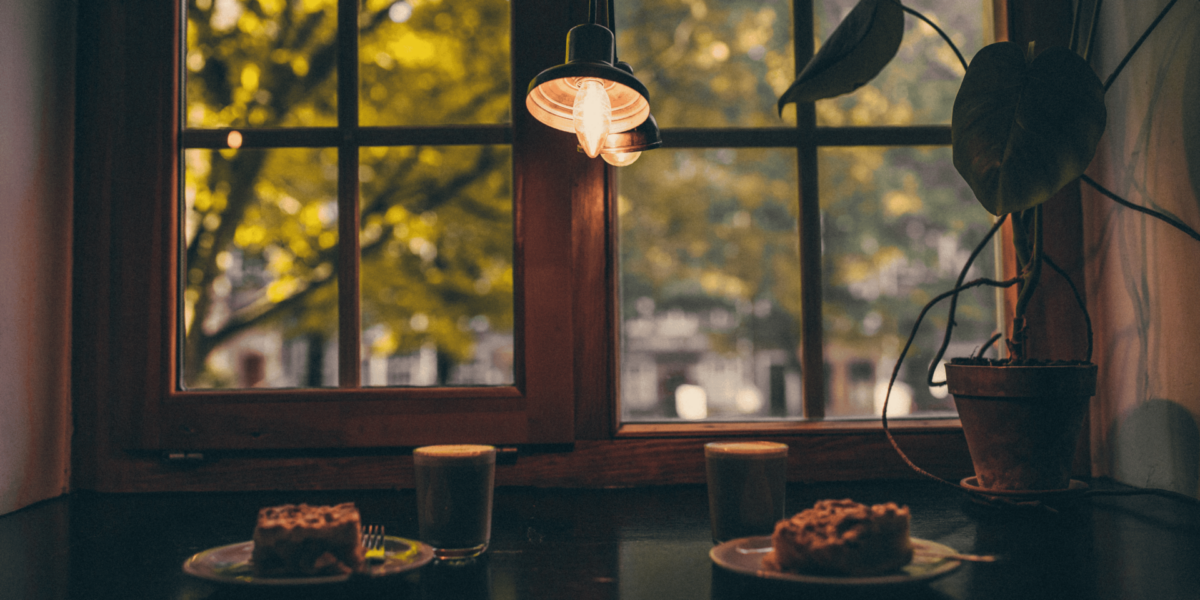
The mood of a café directly influences how people think. Soft lighting, steady background sound, and moderate foot traffic create a space that supports focused thinking. A balanced environment makes it easier to shift into a reflective or creative state without distraction.

Seating Placement Affects Mental Engagement

Where someone chooses to sit changes how they interact with their thoughts. A seat near the window may invite observation. A corner table offers privacy and calm. This physical separation from busy areas allows for deeper concentration and encourages clear thinking.

Ambient Sound Supports Cognitive Flow

The low hum of conversation, coffee machines, and footsteps creates a consistent background that helps filter internal noise. Unlike silence, which can feel isolating, ambient café noise grounds the mind. It supports cognitive flow by offering a subtle rhythm that keeps attention anchored.

Design Details Trigger Mental Shifts

Materials like wood, brick, and stone influence how the space feels. These textures can inspire new ideas by creating a physical connection to the environment. The arrangement of books, artwork, or handwritten menus also gives the eye points of interest, which help trigger thought without distraction.

Familiarity Builds Mental Comfort Zones

Returning to the same café over time creates a personal link between the space and the creative mind. This sense of place supports mental comfort and routine. As the brain associates the location with productive thought, the environment becomes a natural trigger for idea development.

Isolation Without Disconnection Fuels Insight

A good café provides solitude without making someone feel alone. Surrounded by strangers and activity, thinkers can turn inward without losing connection to the world. This balance helps ideas form in context, rather than in isolation.

Movement Within the Space Adds Momentum

Short walks to order, refill, or adjust seating offer natural breaks in thinking. These small movements keep the body engaged, which supports mental clarity. The pause between writing and sipping allows space for insight to surface without interrupting focus.

Time Feels Structured but Flexible

Cafés operate on a gentle schedule. People come and go, lights shift, and staff move through routines. This structure helps frame creative work without imposing a strict deadline. The rhythm of the café encourages progress through time awareness, not time pressure.

The Presence of Others Encourages Self-Reflection

Seeing others work, read, or rest provides a quiet form of motivation. Without direct interaction, their presence supports a sense of shared purpose. This unspoken accountability helps people stay present with their own thoughts.

The Right Setting Makes Ideas Tangible

In the right café, ideas move from concept to form. The setting encourages clarity by grounding thoughts in real space and time. Quiet tables allow loud ideas to take shape, offering the right conditions for the mind to change, create, and continue.

When Walls Talk: Stories Baked Into the Brick of Neighborhood Coffeehouses

Architecture Shapes the Café’s Voice

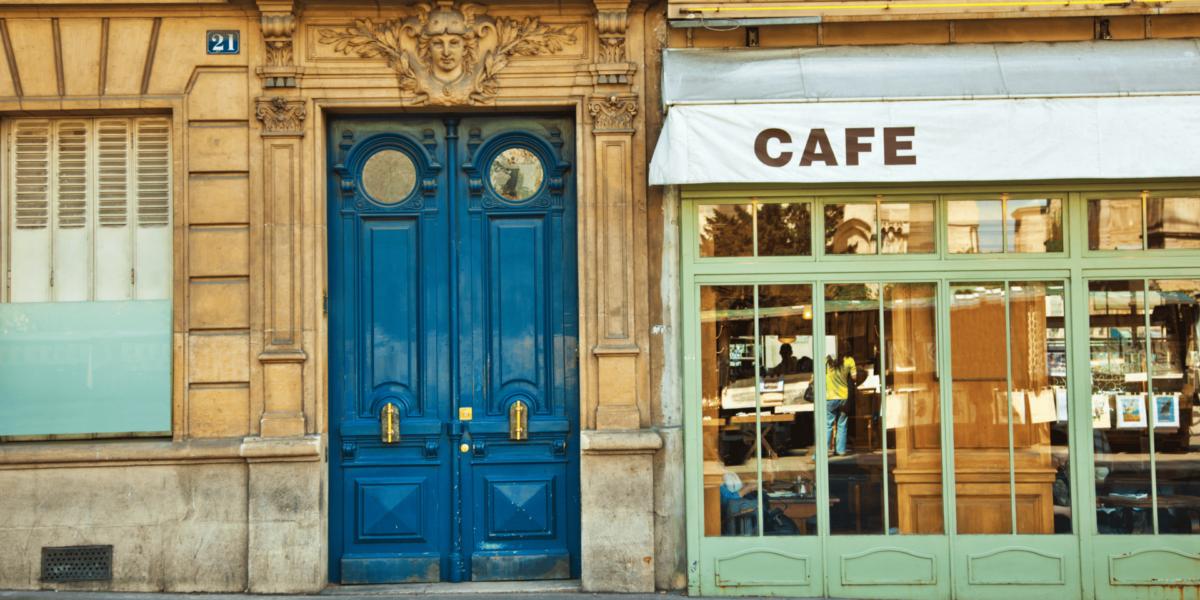
The walls of a neighborhood coffeehouse do more than hold the ceiling—they speak. The way brick, wood, and tile come together reveals the building’s age, history, and character. Customers walking in often feel this before they notice the menu. The material choices echo the time and place the café calls home.

Original Brickwork Holds Memory in Its Texture

Exposed brick carries marks of past use. Faded mortar lines and chipped corners suggest decades of daily life. These imperfections create warmth and depth, offering clues to how the space evolved. Each brick tells part of a larger story—the weather it’s seen, the music that once played, the voices it absorbed.

Furniture Placement Adds to the Storyline

The layout of tables, chairs, and counters influences how stories continue to unfold. Where people sit and how they move reflects a rhythm built over years. Returning customers tend to claim familiar corners, while new guests follow visual cues shaped by furniture placement and wall spacing.

Local Art Anchors the Space in Its Community

Artwork chosen by the café often reflects neighborhood identity. These pieces don’t just decorate—they document. Murals, sketches, or framed prints capture the faces, landmarks, and daily rituals of the area. They extend the wall’s voice by including contemporary expressions within the historic frame.

Sound Behaves Differently with Age and Material

Brick walls absorb and bounce sound in ways that shape how a coffeehouse feels. Conversations sound rounder, music settles deeper into the space, and silence stretches longer. These qualities add a distinct tone to every visit, influenced by how time and use have shaped the acoustics.

Light Moves Along the Surface Throughout the Day

Natural light shifts across the café, creating quiet drama as it touches the walls. In the morning, it illuminates corners softly. By afternoon, sharp angles of sunlight trace edges and reflect off ceramic mugs. This light movement adds mood, turning the café into a living space that changes with the hour.

Cracks and Repairs Mark the Passage of Time

Over the years, walls shift. Hairline cracks appear, filled later with fresh mortar. Paint chips where hands frequently pass. These repairs tell a story of resilience, not decay. They reflect attention to detail and respect for the original structure, showing that the space is cared for and still in use.

Walls Absorb Stories Without Saying a Word

Every meeting, quiet pause, or shared laugh leaves something behind. While those moments vanish from memory, their echo remains in the feel of the room. The walls hold on to this. A coffeehouse may not display photos of its regulars, but the building itself remembers them.

The Building Becomes Part of the Brand

Over time, the structure’s features become part of the café’s identity. Customers describe it as “the one with the brick arch” or “the spot with the sunlit corner table.” These physical traits aren’t just decoration—they guide memory and recognition, making the space easier to return to and recommend.

Brick by Brick, the Café Shares Its History

A neighborhood coffeehouse doesn’t need a plaque to feel historic. Its story lives in the materials. When customers sit down, they join that ongoing narrative. The walls don’t speak in words, but they say enough. They invite people to pause, to listen, and to become part of what comes next.

How the Smell of Coffee Shapes the Design of a Morning

The Role of Scent in Morning Rituals

The smell of coffee is more than just a pleasant aroma. It plays a key role in how people start their day, creating a sense of structure and readiness. When that scent drifts through a home or café, it signals a shift from rest to activity.

A realistic morning might begin with someone walking into their kitchen before sunrise. They flip the switch on the coffee maker. As the machine starts brewing, the scent begins to rise—warm, rich, familiar. This moment isn’t about the taste yet. It’s about the transition. The smell tells the brain: it’s time to wake up.

How Coffee Aroma Triggers Mental Clarity

Caffeine may activate the body, but the scent of coffee activates the mind. The olfactory system connects directly to areas of the brain responsible for memory and alertness. The smell alone can increase focus and reduce grogginess.

In a real-world design setting, think of a quiet apartment on a workday morning. The moment the coffee brews, the space changes. It shifts from sleep mode to productivity. The lighting doesn’t change, the furniture stays the same, but the scent creates a new purpose for the room.

Designing Morning Spaces with Scent in Mind

Designers are learning how to use the smell of coffee as a core part of morning spaces. Instead of relying only on color palettes or lighting, they are starting to plan how a space smells when people enter it in the morning.

In a modern kitchen, the coffee machine isn’t tucked away in a corner. It sits at eye level, near ventilation systems that allow the aroma to move freely. Countertops use warm, absorbent materials like wood, which hold scent longer than metal or tile. These decisions shape how long the coffee smell lingers, guiding the morning’s rhythm.

Coffee Shops as Morning Environments

Coffee shops use aroma intentionally. Their goal isn’t only to serve coffee—it’s to create a specific experience at the start of the day. From layout to airflow, each element helps amplify the scent and its psychological effects.

A customer steps into a café. They haven’t ordered yet, but they’re already part of the environment. The scent of freshly ground beans mixes with subtle lighting and quiet conversation. Without a word spoken, the customer knows what’s expected—order, sip, pause, begin. Designers create this effect by positioning brewing stations near the entrance and using airflow systems that spread the aroma toward the seating area.

Scent Anchors Time and Memory

Smell shapes not just the moment, but how we remember it. The scent of coffee, especially in the early hours, builds a sense of routine. Over time, the body begins to expect it. The mind associates the aroma with productivity, movement, and purpose.

In a long-term routine, this becomes automatic. A person might walk into their kitchen at 6:30 a.m. every weekday. They don’t check the time. They know it’s morning because the scent tells them so. That’s why designers often place coffee equipment in visible, easy-to-reach areas—to strengthen this daily link.

The Emotional Weight of Morning Aromas

The smell of coffee also carries emotional meaning. It isn’t just about waking up—it’s about comfort, stability, and control. This makes the aroma valuable in both home and commercial spaces.

Picture someone sitting on their balcony with a cup in hand. They aren’t thinking about the flavor. They’re breathing in the scent while the city wakes up around them. The aroma provides a boundary between private thought and public activity. Smart design honors this moment by creating spaces that hold the scent longer—enclosed patios, small indoor gardens, or nooks near the kitchen.

Crafting Mornings Through Sensory Design

Sensory design focuses on how a space feels beyond what we see. Designers who consider scent, sound, and temperature build deeper connections between people and their environments.

In a well-designed home, mornings feel effortless because every element points toward forward movement. The scent of coffee is the trigger. As it fills the air, lights turn on gradually, music plays softly, and spaces open up. A single scent kickstarts this cascade, shifting the house from stillness to motion.

The Future of Morning Design

As designers explore deeper emotional cues, coffee aroma will continue to shape how we build mornings. Smart homes now integrate scent diffusers programmed to release coffee aromas before a person wakes up. Though artificial, the smell prepares the mind for the day ahead just like the real thing.

Architects also design layouts that capture natural airflow and hold aromas longer. In these homes, the coffee scent isn’t an afterthought—it’s a core part of the architecture. Morning spaces feel alive, not because of gadgets, but because the scent leads the experience.

Building Morning Identity with Coffee Scent

Every morning builds a part of someone’s identity. The choices made—how to wake up, what to smell, where to sit—shape who they become during the day. The scent of coffee grounds this process. It offers consistency in a fast-moving world.

When designers start with scent as a foundation, they build spaces that support mental clarity, emotional comfort, and physical energy. Morning isn’t just something people go through. It becomes something they design, scent first.

Scent, Sound, and Space: Crafting Emotional Coffee Moments

Sensory Design Shapes the Coffee Experience

The atmosphere inside a coffee shop directly affects how customers feel and behave. Sensory elements like scent, sound, and spatial layout work together to create a lasting impression. When a guest walks into a café, these details influence whether they stay, return, or recommend the space to others.

Coffee Aroma Builds Immediate Connection

The smell of freshly brewed coffee triggers emotional responses before any words are exchanged. Rich, warm scents signal comfort and familiarity. In a morning routine, a customer stepping inside a café may feel calm and ready to engage simply from the aroma alone. This emotional cue starts building loyalty from the first breath.

Background Music Guides Mood and Energy

Music influences pacing, conversation, and customer flow. Softer rhythms support focus and relaxation, while upbeat tracks encourage energy and social interaction. During a busy afternoon, a well-curated playlist helps regulate the café’s tempo, keeping guests engaged without feeling rushed or overwhelmed.

Spatial Layout Supports Comfort and Flow

Furniture placement, walking paths, and open zones affect how people move and connect. In a practical setting, someone entering a café looks for a seat that offers both comfort and a clear view. A thoughtful layout provides private areas for individuals and social zones for groups, ensuring the space adapts to varied customer needs.

Lighting Design Enhances Emotional Tone

The quality and placement of lighting influence how customers interpret the space. Soft lighting can make the environment feel warm and inviting, while bright, natural light supports productivity. In a real-life moment, a guest finding a sunlit table may feel more alert and inclined to stay longer.

Acoustic Balance Maintains a Relaxed Atmosphere

Noise levels affect how people communicate and stay focused. Balanced acoustics reduce sharp sounds and support steady background noise. In an everyday café experience, someone working on a laptop or meeting a friend benefits from clear sound that allows both privacy and connection without distraction.

Interior Details Reinforce Emotional Themes

Design features like textures, colors, and artwork contribute to emotional response. Natural wood, soft fabrics, or meaningful wall decor help shape a café’s personality. In a typical visit, a guest may feel more at ease and welcome in a space where these elements align with the overall tone of the brand.

Barista Interaction Anchors the Experience

Staff behavior adds a human element to the sensory environment. A warm greeting, thoughtful suggestion, or simple eye contact reinforces emotional safety. In a morning visit, a familiar barista who remembers a guest’s name or order builds connection that keeps people coming back.

Signature Scents Define Brand Identity

Each café develops a unique scent profile based on beans, baked goods, and cleaning methods. Consistency in this aroma helps customers associate the brand with positive memories. Over time, a returning guest may link the smell with a sense of place, reinforcing brand recognition and loyalty.

Multi-Sensory Design Encourages Repeat Visits

When all sensory elements work in harmony, the café becomes a place of emotional comfort. Guests feel grounded, focused, or inspired, depending on how the space meets their needs. In a weekly routine, someone may choose one café over others simply because of how the sensory experience makes them feel.

Emotional Connection Drives Word-of-Mouth Growth

Satisfied customers often share their experiences with others. When a café creates memorable emotional moments, guests post online, tell friends, and return regularly. This type of loyalty develops not from a single cup of coffee, but from the total environment that surrounds it.

Thoughtful Sensory Design Builds Lasting Impressions

Scent, sound, and space do more than decorate a café—they shape how people think, feel, and behave. A well-designed environment uses these elements to create emotional moments that guests carry with them. In everyday life, this kind of design turns a short visit into a lasting memory, making the café a preferred part of someone’s routine.

Smell, Sound, Sip: The Sensory Art of Café Culture

When someone walks into a café, their senses activate instantly. The smell of coffee, the sound of soft music, and the visual details around the room shape the experience before a single drink is ordered. This multisensory design is not accidental—it’s built to influence how people feel, behave, and remember their visit.

A well-designed café considers how sensory inputs work together to form emotional responses. These cues don’t shout for attention. They guide quietly, helping people relax, connect, or focus. The atmosphere becomes part of the brand. And when done right, customers don’t just remember the taste—they remember the feeling.

Scent Creates Emotional Memory

Smell is closely tied to memory and emotion. The scent of fresh coffee can trigger calm, focus, or even a sense of nostalgia. Cafés that manage scent well use it as a powerful tool to build loyalty. When people associate a specific smell with a positive moment, they’re more likely to return.

But scent management requires balance. Competing odors—such as cleaning agents or food prep—can overwhelm or confuse. Airflow, ventilation, and intentional fragrance placement are part of the strategy. A consistent scent profile becomes part of the café’s identity. Customers begin to recognize it instantly, even before they open the door.

Sound Shapes the Mood of the Space

Every café has a soundscape. It might include music, conversation, the hiss of espresso machines, and footsteps across the floor. Together, these sounds create a rhythm that affects how customers behave. Loud, erratic noise can drive people away. Soft, steady sounds invite them to linger.

Acoustics matter as much as music choice. Materials like wood, fabric, and soft wall panels help manage how sound moves through the space. Too much echo creates tension. Too much silence feels empty. Background sound should feel natural and comfortable, allowing conversations without strain and adding texture without distraction.

Taste Deepens the Sensory Connection

Flavor may seem like the central part of the café experience, but it works best when supported by other senses. A well-crafted drink tastes better when the environment supports the moment. Comfortable surroundings, pleasant sounds, and familiar smells enhance perception and satisfaction.

Baristas play a direct role in shaping taste. Their consistency, technique, and pace influence flavor and timing. A perfectly brewed cup loses impact if served in a chaotic or cold environment. But when all elements align, a simple drink becomes something more. It becomes a moment people want to repeat.

Texture and Touch Influence Comfort

Touch often gets overlooked in sensory design, but it matters deeply. The feel of a wooden tabletop, the weight of a ceramic mug, or the softness of a seat can affect how someone judges the space. These small details send signals of care, quality, and comfort.

Comfort encourages longer stays. People are more likely to relax or work if the space supports them physically. Smooth, cool surfaces suggest modern design. Soft, warm textures signal safety and ease. The materials chosen tell a story—one that people feel through their fingertips without needing to read a word.

Lighting Connects Sight With Emotion

Lighting guides how a space feels. Harsh, bright lighting may support task-focused moments but can feel clinical. Warm, soft lighting invites conversation and ease. Natural light, when available, helps people feel grounded and energized. Each type of lighting carries an emotional message.

The time of day should influence lighting decisions. Morning may call for brightness to match a productive mood, while late afternoons benefit from dimmer, more relaxed tones. A lighting plan that adjusts with purpose helps maintain the emotional flow of the café throughout the day.

Scenario: The Daily Reset Ritual

Picture a customer entering the café at the same time each day. The scent of coffee reaches them at the door. Gentle music and a familiar hum greet them inside. Their usual seat is available, the lighting is just right, and the barista gives a quick nod of recognition.

As they sip their drink, they sink into the moment. The textures around them feel familiar—the grip of the mug, the softness of the chair, the quiet murmur of other guests. The taste of the coffee ties everything together. For this person, the café is more than a place to grab a drink. It’s a reliable part of their routine. A moment of reset, crafted through sensory balance.

Sensory Harmony Builds Emotional Loyalty

The most memorable cafés create environments where the senses align. Customers may not notice each element on its own, but they respond to the full experience. They return not just for caffeine but for the way the space makes them feel. This emotional loyalty leads to long-term relationships and steady business growth.

Café culture thrives when the environment speaks through smell, sound, taste, texture, and light. These details do the quiet work of communication. They shape habits, encourage return visits, and build brand trust. When each sense is tuned with care, the café becomes more than a location. It becomes a destination.

Designing With the Senses in Mind

Café success relies on more than good drinks. It depends on the feeling customers carry with them when they leave. That feeling comes from sensory design done with purpose. Every smell, sound, sip, and surface tells a part of the story.

The best cafés don’t just serve—they speak. And they speak through the senses.

Designing Rituals: The Emotional Blueprint Behind Every Brew

The experience of drinking coffee starts long before the first sip. In well-designed cafés, rituals shape each moment—from how the customer enters the space to how they interact with the barista and environment. These rituals are not random. They are intentional, emotional, and carefully crafted.

Customers notice these details, even if they don’t name them. When a routine feels natural and rewarding, it becomes part of a person’s day. Over time, that consistency builds emotional connection. The café becomes more than a coffee stop—it becomes a place of comfort and familiarity.

Emotional Design Turns Routine Into Connection

A café’s physical space can guide emotions and behaviors. Through lighting, layout, sound, and scent, designers create an environment that supports specific feelings. This emotional design encourages customers to slow down, feel welcome, and engage more deeply with their surroundings.

This is the foundation of a ritual: repetition shaped by experience. When every part of the space contributes to a positive emotional response, the routine of getting coffee turns into something meaningful. That feeling stays with the customer longer than the caffeine.

Layout Supports Predictable, Comfortable Flow

Café layout plays a central role in building daily rituals. A clear and functional layout reduces friction in the customer journey. When people instinctively know where to stand, order, and sit, they feel at ease. That comfort encourages repeat visits.

A smart layout supports both speed and stillness. Some customers need to grab a drink quickly, while others want to settle in and stay. Design that allows for both creates a balanced environment where everyone finds their rhythm. That sense of control enhances the emotional bond with the space.

Barista Interaction Shapes the Human Ritual

The emotional blueprint behind every brew includes the people who make it. Baristas play a key role in reinforcing café rituals. A greeting, eye contact, or remembered name builds familiarity. These small, consistent interactions form a connection that can define someone’s entire day.

Customers return not only for the drink but for the feeling of being recognized. Even on busy mornings, when service is fast, a single thoughtful moment can carry emotional weight. Rituals feel more powerful when they include human acknowledgment.

Visual and Sensory Details Reinforce Memory

Color, texture, lighting, and scent create a sensory environment that influences memory. When customers walk into a space that looks and feels consistent every time, they build a mental connection to that environment. That consistency makes the ritual stronger.

A familiar scent of fresh coffee, a clean visual layout, or the warm feel of a ceramic mug—these small design choices send messages that customers remember. The more predictable and intentional the experience, the more emotionally rooted it becomes.

A Realistic Scenario: When Ritual Meets Design

Imagine a customer who visits the same café every morning. They enter to the soft sound of music, the scent of roasted beans, and lighting that feels gentle but energizing. The barista nods in recognition. Their order is simple, and the routine is clear: walk in, greet, order, wait, sit by the window.

Nothing dramatic happens—but that’s the point. The design supports their emotional rhythm. The space helps them start their day in a calm, centered way. Over time, this becomes more than a habit. It becomes a daily ritual shaped by a space that listens without speaking.

Brand Identity Is Built Through Ritual Design

Cafés that understand the emotional power of rituals use them to reinforce brand identity. A minimalist café with simple lines and soft music may attract people looking for quiet reflection. A bold, high-energy design with fast service may appeal to those with short windows between meetings.

By aligning space, service, and product with emotional expectations, the café becomes a full expression of the brand. Rituals deepen that connection, turning brand values into lived experience for each customer, every time they visit.

Rituals Drive Return Visits and Loyalty

Customers don’t return just for the coffee—they return for the feeling the experience provides. When a café consistently delivers that emotional rhythm, customers begin to seek it out. Rituals offer structure in unpredictable lives, and cafés that support those rituals become anchors.

These emotional connections create long-term loyalty. Even when better coffee might be available elsewhere, people choose familiarity. They return to the space that feels like theirs—one shaped by design, emotion, and human care.

Quiet Repetition Builds Brand Reputation

What begins as a design strategy becomes word-of-mouth value. Customers share their routines with others, post photos online, or bring friends along. They become brand advocates without needing to be asked. The consistency of their ritual gives them something worth sharing.

The strongest cafés don’t rely on loud marketing. They rely on steady, thoughtful repetition. Each detail—lighting, layout, service—plays its part in creating a memorable, repeatable experience. Over time, this becomes the brand’s strongest asset: emotional trust.

Ritual Design Is Emotional Strategy

Designing rituals is not about creating complexity. It’s about finding the quiet moments that matter most and shaping them with intention. When cafés focus on emotional design, they turn a simple transaction into a meaningful experience.

The emotional blueprint behind every brew lives in repetition, structure, and care. From layout to lighting to human interaction, each detail supports a ritual that makes people feel seen and settled. And when a café does that well, it doesn’t just serve coffee—it becomes part of someone’s life.

From First Pour to Last Sip: Tracing the Ritual of Morning Coffee

Morning routines shape how we start the day. For many, coffee anchors that routine. The act of brewing, pouring, and sipping is more than a habit. It becomes a personal moment of focus, helping the mind shift from rest to readiness.

Creating Structure Through Repetition

Repeating the same steps each morning builds structure. Whether it’s grinding beans, heating water, or choosing a favorite mug, each task signals that the day is beginning. These small actions provide a sense of control, especially before the demands of the outside world set in.

The Role of Scent and Sound in Setting the Mood

The scent of fresh coffee and the sound of brewing create a sensory backdrop that affects mood. These signals tell the brain it’s time to wake up and get moving. The environment becomes part of the ritual, shaping the emotional tone of the morning.

How Time Affects the Coffee Experience

Rushing through a cup of coffee feels different from sitting down to enjoy it. The way someone spends those moments affects how refreshed or grounded they feel afterward. A slow, mindful coffee can add clarity and calm. Even a short break with focus can change the pace of the entire morning.

Scenario: One Morning, One Cup, One Shift in Focus

Imagine someone waking up early, before the house is busy. They move quietly to the kitchen, start the coffee, and wait. As the first pour hits the cup, steam rises and the aroma fills the space. They sit by a window, hold the mug in both hands, and take a slow sip. It marks a shift—from rest to intention. From sleep to presence.

Building Mental Space Before the Day Begins

Coffee can create a pause between sleep and action. This pause offers space to think, plan, or simply breathe. Instead of diving into tasks immediately, this short window allows for a mental reset. That clarity often leads to better decisions and calmer reactions later in the day.

Consistency Creates Comfort and Confidence

Having a consistent morning coffee ritual builds comfort. It becomes something to count on, even when life feels uncertain. This routine can anchor the day, making it easier to handle change or stress. When the first steps of the day stay the same, everything that follows feels more manageable.

Why the Ritual Matters More Than the Beverage

While the taste of coffee matters, the ritual behind it often has greater impact. The feeling of doing something familiar, at the same time and in the same way, adds stability. It becomes a moment of ownership. A cup of coffee, made just the way you like it, offers control over the start of the day.

Connecting Emotion to Everyday Habits

Morning coffee often carries emotional meaning. It can remind someone of home, a loved one, or a past routine. These quiet connections make the ritual stronger. As the habit forms, the emotional value grows, turning a simple act into something deeply personal.

Morning Coffee as a Daily Reset

Every morning brings a new beginning. Coffee becomes a symbol of that restart. It marks the line between yesterday and today. With every pour and sip, the mind shifts toward what lies ahead. That simple moment helps prepare the body and brain for whatever comes next.

Let the Ritual Work for You

Coffee rituals don’t need to be complex to be meaningful. What matters is the intention behind them. Choose your steps with care. Let each part of the routine serve your focus and well-being. From first pour to last sip, this ritual can shape not just your morning—but your entire day.