Slow Coffee Emphasizes Intentional Design
The aesthetic of slow coffee starts with how the space and tools invite mindfulness. Everything from the surface of the table to the finish of the kettle shapes the experience. These tactile elements encourage slower movement and more focus.
When someone begins their pour-over ritual, they feel the grain of the wooden counter and the weight of a ceramic mug. These textures signal the shift into a slower, more purposeful pace.
Material Choices Affect the Brewing Ritual
The tools used in slow coffee matter not just for function, but for the sensory experience they create. Clay, glass, and metal offer different tactile feedback and visual appeal. Each adds a distinct element to the brewing process.
A person heating water in a metal kettle senses warmth through the handle, hears the shift in temperature, and sees steam rise with control. These moments link visual and physical texture with the evolving heat.
Temperature Shapes the Pace
Slow coffee relies on temperature as a guiding element. Water must reach specific heat levels. Brew time depends on steady pouring and precise timing. This process demands focus, pulling attention away from distractions.
During the brewing stage, someone watches the bloom of coffee grounds as they release aroma and gas. Each pour requires a pause, keeping the rhythm steady. The pace of heat management becomes a quiet timer.
Tactile Comfort Enhances the Experience
The feel of objects used in slow coffee adds depth to the moment. Warm mugs, smooth spoons, and soft cloths reinforce comfort. These tactile cues allow people to fully engage with the task at hand.
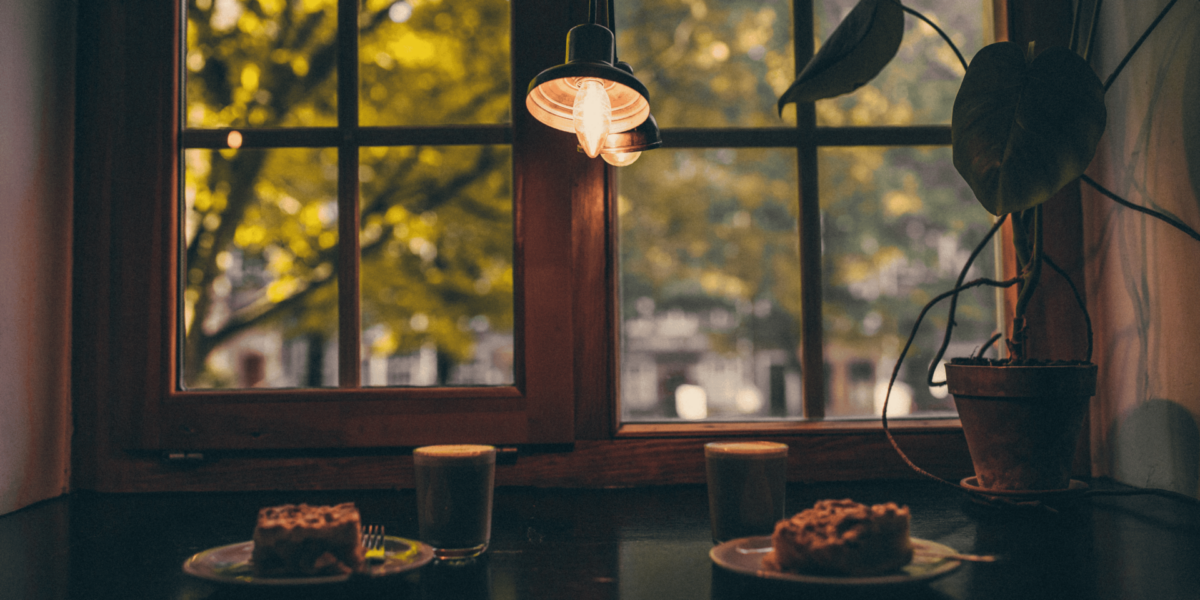
As someone wraps their hands around a cup, they feel heat transfer through ceramic. The grip slows their movement. This interaction between hand, texture, and temperature extends the sense of presence.
Surfaces and Setting Support Stillness
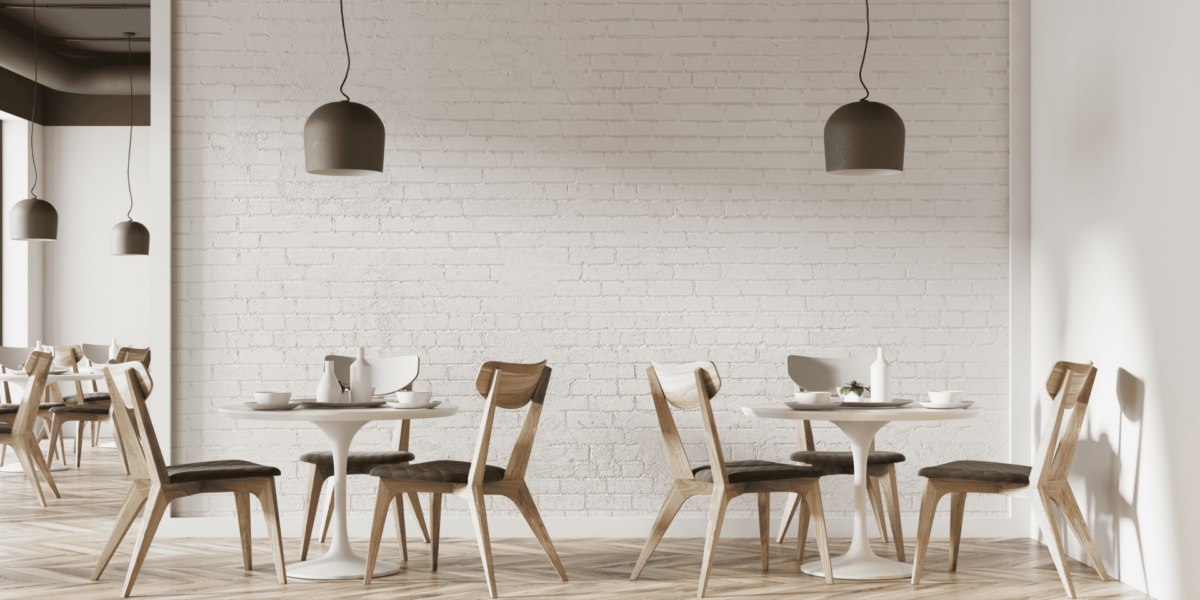
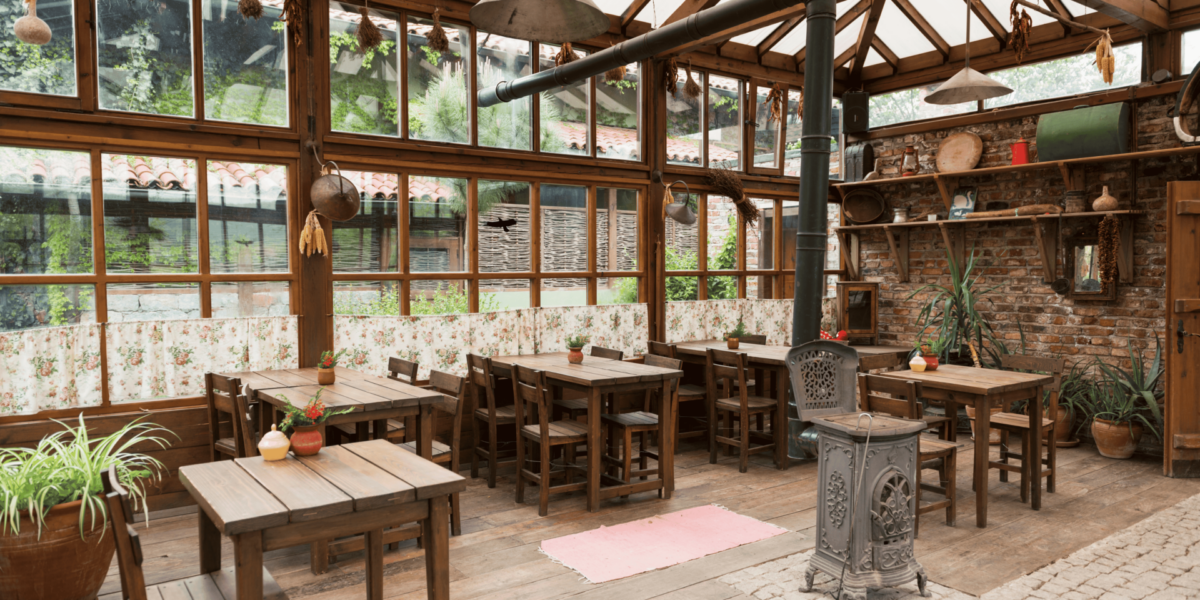
Where slow coffee is prepared affects how it feels. Natural surfaces like wood and stone provide a grounded atmosphere. Muted tones and soft finishes support stillness by reducing visual noise.
A person standing in a quiet kitchen with soft morning light feels the alignment of space and process. The textures around them don’t distract. They guide attention inward, supporting the act of brewing.
Scent Completes the Sensory Balance
As the coffee brews, scent becomes the dominant sense. The gradual release of aroma reinforces the time spent in preparation. Scent connects directly to emotion and memory, giving the ritual meaning.
When the air fills with warm, roasted notes, the experience feels whole. The aroma becomes the final layer—neither texture nor temperature, but tied to both.
Objects Reflect a Slower Lifestyle
The items used in slow coffee rituals often reflect a lifestyle choice. Hand-thrown cups, linen towels, and manual grinders suggest more than utility. They point to a slower approach to consumption and a focus on quality.
When someone prepares coffee with these objects, they engage with materials chosen for longevity and feel. This connection shifts the activity from task to ritual.
Brew Method Influences Atmosphere
Pour-over, French press, or siphon methods all change how the brewing process unfolds. Each method carries a different sound, timing, and visual rhythm. These cues shape the surrounding mood.
As someone brews with a specific method, they notice the slow drip, the pressure of the press, or the movement of vapor. The chosen technique becomes part of the aesthetic, supporting quiet concentration.
Minimalism Encourages Focus
Slow coffee environments often avoid clutter. Clear counters, open shelves, and simple lines help focus attention on the brewing process. This design choice limits distraction and enhances intention.
When someone enters a well-organized coffee space, their body responds. They move more slowly, touch things with care, and mirror the simplicity they see. This creates a feedback loop that reinforces slowness.
Sensory Harmony Creates Emotional Impact
When texture and temperature align with scent, sight, and sound, the coffee ritual becomes emotionally grounding. Each element supports the others, forming a complete sensory landscape.
By preparing and drinking coffee in a space that honors these details, someone can restore focus and reduce mental clutter. The slowness isn’t empty—it creates meaning through sensory engagement.
Slow Coffee Design Leaves a Lasting Impression
The design of slow coffee rituals leaves an imprint on how people feel throughout the day. It changes the pace of the morning, shapes thought patterns, and creates room for presence. These effects come not from effort, but from careful design that respects texture and temperature.
When someone carries their cup into the next part of their day, the experience lingers. It informs their posture, mindset, and rhythm. This is how the aesthetic of slow coffee shapes life beyond the cup.