Where Coffee Meets Soul: Designing Spaces That Speak

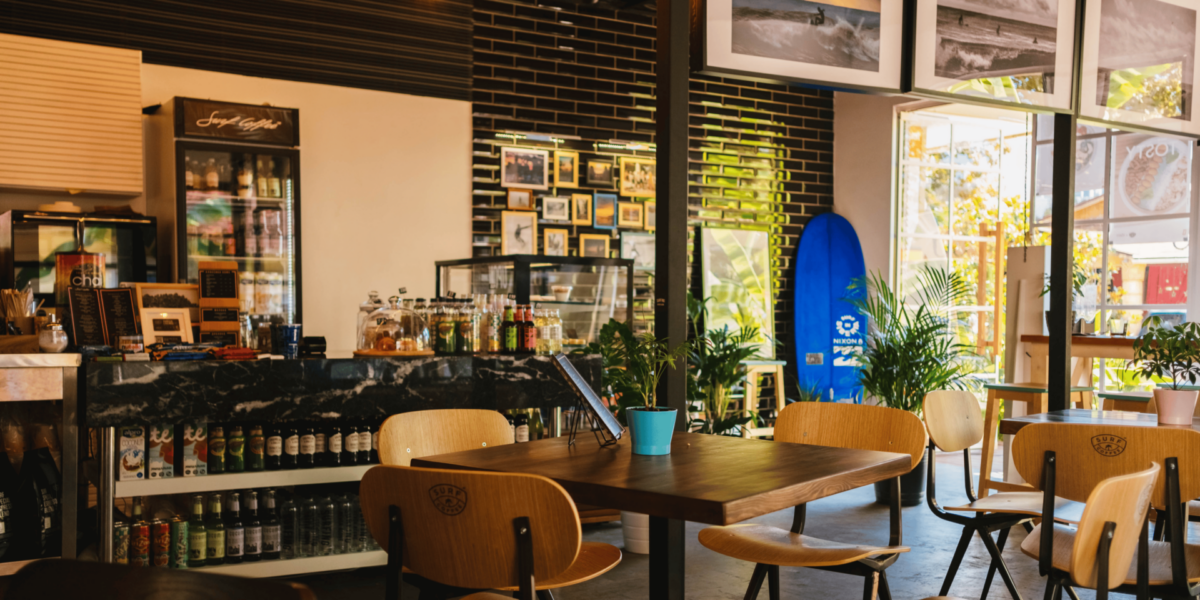
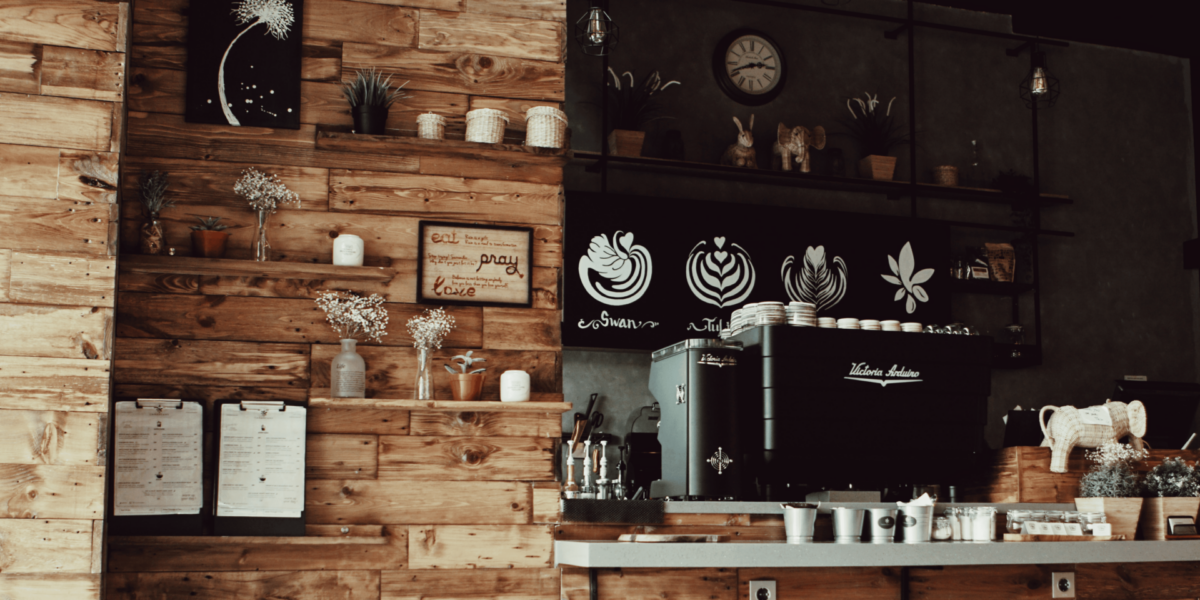
The moment someone walks into a coffee shop, their senses begin to form an impression. This reaction isn’t accidental—it’s shaped by deliberate design. Creating a strong café identity starts with understanding how space communicates. From the materials used to the lighting and sound, each element must align with the café’s values. When everything works together, the environment feels natural, not forced.

Customers tend to return to places where they feel an emotional connection. A well-designed café atmosphere supports that connection. Instead of just serving drinks, the space becomes part of the experience. The color scheme, textures, and layout all contribute to how visitors feel. These cues must be subtle yet consistent, making the atmosphere familiar and comfortable without needing explanation.

Using Design to Influence Customer Flow

The layout of a café determines how people move, where they pause, and how long they stay. Strategic placement of seating, counters, and walkways can guide behavior naturally. A thoughtful layout supports both the customer’s comfort and the café’s workflow. Cluttered spaces or poor traffic flow create friction, which can shorten visits or reduce customer satisfaction.

A design that considers the customer’s path from entry to order to seating encourages positive engagement. People should be able to navigate easily without needing to ask for help. When the environment feels intuitive, customers are more likely to settle in and stay longer. This increases order size, loyalty, and word-of-mouth referrals.

Lighting That Supports Mood and Function

Lighting plays a key role in shaping how people feel inside a space. It influences emotion, productivity, and social interaction. Warm, indirect lighting can make a space feel cozy, while cooler tones encourage alertness. Balancing natural and artificial light enhances comfort while keeping the space functional throughout the day.

Poor lighting choices can create discomfort or limit the space’s use. Overly bright lights may feel harsh, especially during quiet mornings. On the other hand, dim lighting can strain the eyes and make reading or working difficult. Smart lighting design adapts to the café’s purpose at different times, from solo work in the afternoon to group conversation in the evening.

Sound Design and Acoustic Balance

Cafés often rely on background music to set the tone, but sound design involves more than just a playlist. Acoustics shape how people experience space. Sound levels affect whether customers feel relaxed or rushed. Too much noise can overwhelm conversations, while silence can feel awkward or empty.

Balancing music, conversation, and ambient noise requires intention. Materials like wood, fabric, and acoustic panels can soften harsh echoes. Volume levels should adjust with the crowd size and time of day. A soundscape that complements the atmosphere helps customers stay longer and enjoy the space more fully.

Scent as a Subtle Communicator

The scent of freshly ground coffee is powerful. It can trigger comfort, focus, or even nostalgia. But cafés can’t rely on coffee aroma alone. Other odors—like cleaning products or food—can compete and alter the experience. Consistent, pleasant scents enhance the emotional connection customers form with the space.

Using scent as part of design involves subtle control. Scented candles or oils can create a signature fragrance, but they must complement the natural smell of coffee, not overpower it. When customers associate a specific smell with a positive experience, they build stronger memories of the place.

Furniture as a Functional Extension of Brand

Café furniture should do more than fill space. It must match the brand’s personality while supporting comfort and usability. Sturdy, well-chosen furniture communicates reliability and care. Uncomfortable seating or poor materials send a different message and may drive people away sooner than expected.

The type and placement of seating influence how people use the space. A mix of communal tables, solo seats, and lounge areas offers flexibility. People come for different reasons—some to relax, others to work or connect. Offering the right kind of seating for each scenario increases satisfaction and encourages repeat visits.

Baristas as Ambassadors of Atmosphere

A coffee shop’s atmosphere isn’t just created by objects—it’s shaped by people. Baristas play a key role in shaping the mood of a café. Their energy, tone, and approachability define the first and last impression a customer receives. Even during busy hours, a genuine interaction makes a difference.

Training staff to maintain consistency in tone and service style builds trust. When customers feel recognized and welcomed, they associate those positive feelings with the entire experience. Over time, those interactions become part of the shop’s character. The café becomes more than a place—it becomes a relationship.

A Scenario: Morning Rituals That Build Loyalty

Picture someone walking into their neighborhood café each morning before work. The lighting is soft but bright enough to read. Gentle music plays in the background. The barista offers a warm smile and prepares their usual order without needing to ask. The furniture supports their routine—whether they’re staying for a few minutes or taking their drink to go.

This person doesn’t visit just for caffeine. They come for how the place makes them feel. Over time, this daily visit becomes a ritual. They bring friends, post about the café online, and notice when small changes happen. This connection didn’t form by chance. It grew from a space designed to invite, comfort, and speak without saying a word.

Building Loyalty Through Intentional Design

Atmosphere is a silent communicator. It tells customers who you are and what they can expect without saying anything aloud. When everything—layout, sound, scent, and service—works together, the space feels genuine. Customers don’t just return for products. They return because the space reflects something meaningful.

Cafés that focus on the full sensory experience build loyalty beyond transactions. They create places where people feel seen, welcomed, and inspired to return. Thoughtful design turns first-time visits into daily habits, and daily habits into lasting relationships. When a coffee shop speaks with clarity and soul, people listen—and stay.

Designing Rituals: The Emotional Blueprint Behind Every Brew

The experience of drinking coffee starts long before the first sip. In well-designed cafés, rituals shape each moment—from how the customer enters the space to how they interact with the barista and environment. These rituals are not random. They are intentional, emotional, and carefully crafted.

Customers notice these details, even if they don’t name them. When a routine feels natural and rewarding, it becomes part of a person’s day. Over time, that consistency builds emotional connection. The café becomes more than a coffee stop—it becomes a place of comfort and familiarity.

Emotional Design Turns Routine Into Connection

A café’s physical space can guide emotions and behaviors. Through lighting, layout, sound, and scent, designers create an environment that supports specific feelings. This emotional design encourages customers to slow down, feel welcome, and engage more deeply with their surroundings.

This is the foundation of a ritual: repetition shaped by experience. When every part of the space contributes to a positive emotional response, the routine of getting coffee turns into something meaningful. That feeling stays with the customer longer than the caffeine.

Layout Supports Predictable, Comfortable Flow

Café layout plays a central role in building daily rituals. A clear and functional layout reduces friction in the customer journey. When people instinctively know where to stand, order, and sit, they feel at ease. That comfort encourages repeat visits.

A smart layout supports both speed and stillness. Some customers need to grab a drink quickly, while others want to settle in and stay. Design that allows for both creates a balanced environment where everyone finds their rhythm. That sense of control enhances the emotional bond with the space.

Barista Interaction Shapes the Human Ritual

The emotional blueprint behind every brew includes the people who make it. Baristas play a key role in reinforcing café rituals. A greeting, eye contact, or remembered name builds familiarity. These small, consistent interactions form a connection that can define someone’s entire day.

Customers return not only for the drink but for the feeling of being recognized. Even on busy mornings, when service is fast, a single thoughtful moment can carry emotional weight. Rituals feel more powerful when they include human acknowledgment.

Visual and Sensory Details Reinforce Memory

Color, texture, lighting, and scent create a sensory environment that influences memory. When customers walk into a space that looks and feels consistent every time, they build a mental connection to that environment. That consistency makes the ritual stronger.

A familiar scent of fresh coffee, a clean visual layout, or the warm feel of a ceramic mug—these small design choices send messages that customers remember. The more predictable and intentional the experience, the more emotionally rooted it becomes.

A Realistic Scenario: When Ritual Meets Design

Imagine a customer who visits the same café every morning. They enter to the soft sound of music, the scent of roasted beans, and lighting that feels gentle but energizing. The barista nods in recognition. Their order is simple, and the routine is clear: walk in, greet, order, wait, sit by the window.

Nothing dramatic happens—but that’s the point. The design supports their emotional rhythm. The space helps them start their day in a calm, centered way. Over time, this becomes more than a habit. It becomes a daily ritual shaped by a space that listens without speaking.

Brand Identity Is Built Through Ritual Design

Cafés that understand the emotional power of rituals use them to reinforce brand identity. A minimalist café with simple lines and soft music may attract people looking for quiet reflection. A bold, high-energy design with fast service may appeal to those with short windows between meetings.

By aligning space, service, and product with emotional expectations, the café becomes a full expression of the brand. Rituals deepen that connection, turning brand values into lived experience for each customer, every time they visit.

Rituals Drive Return Visits and Loyalty

Customers don’t return just for the coffee—they return for the feeling the experience provides. When a café consistently delivers that emotional rhythm, customers begin to seek it out. Rituals offer structure in unpredictable lives, and cafés that support those rituals become anchors.

These emotional connections create long-term loyalty. Even when better coffee might be available elsewhere, people choose familiarity. They return to the space that feels like theirs—one shaped by design, emotion, and human care.

Quiet Repetition Builds Brand Reputation

What begins as a design strategy becomes word-of-mouth value. Customers share their routines with others, post photos online, or bring friends along. They become brand advocates without needing to be asked. The consistency of their ritual gives them something worth sharing.

The strongest cafés don’t rely on loud marketing. They rely on steady, thoughtful repetition. Each detail—lighting, layout, service—plays its part in creating a memorable, repeatable experience. Over time, this becomes the brand’s strongest asset: emotional trust.

Ritual Design Is Emotional Strategy

Designing rituals is not about creating complexity. It’s about finding the quiet moments that matter most and shaping them with intention. When cafés focus on emotional design, they turn a simple transaction into a meaningful experience.

The emotional blueprint behind every brew lives in repetition, structure, and care. From layout to lighting to human interaction, each detail supports a ritual that makes people feel seen and settled. And when a café does that well, it doesn’t just serve coffee—it becomes part of someone’s life.

How Atmosphere Becomes the Most Memorable Ingredient

When a customer steps into a coffee shop, the atmosphere sets the tone. Before they taste a single sip or speak to a barista, the space speaks for itself. From lighting to layout, every design choice shapes how customers feel and behave in that first moment.

These first impressions form quickly. A space that feels intentional creates comfort. Without needing to ask questions or look for instructions, customers sense where to go, where to sit, and what kind of experience to expect.

Sensory Design Builds Emotional Memory

Sights, sounds, smells, and textures all work together to shape atmosphere. A space filled with warm lighting, clean surfaces, and soft ambient music invites people to slow down and stay longer. These sensory cues go beyond decoration—they create emotional memory.

When guests recall their visit, they often remember how the space made them feel more than what they ordered. Comfort, calm, or energy—these feelings are triggered by atmosphere, not the menu. That’s why successful cafés prioritize sensory design as part of the customer journey.

Layout Influences How People Interact

The physical arrangement of the café plays a key role in how people move, connect, and settle in. A clear, open layout gives people room to breathe. A mix of seating options—like individual tables, communal benches, and quiet corners—offers flexibility for different needs.

Designing for movement and stillness means thinking through customer behavior. Where will they order? Where will they wait? Where will they choose to sit? When the layout feels natural, customers don’t think about it—but they remember how easy and comfortable it felt.

Lighting Shapes Mood and Focus

Lighting does more than illuminate a room. It shapes emotion, energy, and rhythm. Soft, warm lights create a cozy feeling, while brighter lighting helps customers stay alert and productive. Natural light adds a connection to the outside world and makes the space feel more open.

Thoughtful lighting also supports different parts of the day. Morning guests may enjoy sunlight and brightness, while evening visitors might prefer dimmer, calming tones. Adjusting lighting throughout the day helps the café meet people where they are in their routine.

Scent Creates Immediate Connection

The aroma of freshly ground coffee reaches people before anything else. Smell connects directly to memory and emotion. A well-managed scent environment can comfort, energize, or inspire calm, all without saying a word.

This sensory layer builds attachment. When the air smells fresh, clean, and familiar, people associate that experience with quality and care. Over time, returning guests may not remember the playlist or exact design details—but they’ll remember how the café smelled.

Sound Controls Energy Without Being Noticed

Music and ambient noise help define a café’s energy level. A curated playlist can enhance the mood without overwhelming conversation. The right sound levels make the space feel lively or peaceful, depending on the time and setting.

Volume matters. Sound should support—not compete with—the guest experience. A quiet buzz encourages focus and relaxation. Louder music might work in busy hours when turnover is higher. Matching music to the desired atmosphere is subtle, but essential.

Barista Presence Shapes the Human Experience

Atmosphere isn’t just about physical space. It also includes the people who bring the café to life. The way baristas move, interact, and present themselves becomes part of the guest experience. A welcoming glance or a calm, steady pace builds a feeling of trust.

Customers notice body language, tone, and timing. Even during busy moments, staff who stay composed and attentive add to the sense that the space is managed with care. These human details shape how comfortable and seen people feel in the space.

Brand Consistency Reinforces the Feeling

The strongest cafés create an atmosphere that aligns with their brand. A place that values sustainability might use natural textures and earthy colors. A fast-paced urban spot might highlight clean lines and minimal décor. Every choice—from cup design to lighting fixtures—communicates something.

Consistency matters. If the tone, visuals, and service match the brand promise, the atmosphere feels trustworthy. That trust becomes part of the memory. Guests return not just for the coffee, but because they know exactly what to expect—and that predictability becomes comfort.

A Realistic Scenario: Experience Beyond the Menu

Picture a regular customer who stops by the same café each weekday morning. The path from the entrance to the counter is smooth. The lighting feels right for the early hour. The scent of coffee creates instant calm. The music plays at the perfect volume—not distracting, but present.

Even on busy mornings, the staff greets them with a nod. The seating layout gives them the choice to linger or leave. Over time, the café becomes more than a stop. It becomes a place where they feel known—even when no one speaks. That experience stays with them long after they’ve finished their drink.

Atmosphere Drives Loyalty and Word-of-Mouth

When people feel good in a space, they return. They tell others. They bring friends. They share photos. The experience becomes part of their daily routine, and the café becomes part of their personal story. This is the power of atmosphere.

Loyalty doesn’t always begin with flavor. It often starts with feeling. Atmosphere becomes the invisible ingredient that transforms a single visit into a long-term connection. And while a good product gets people in the door, it’s the way the space feels that keeps them coming back.

Designing for Lasting Connection

Atmosphere is not an extra layer—it’s the core of the experience. It tells the story of a café without needing words. Through design, scent, sound, and service, a space communicates care, identity, and intention.

When the atmosphere is consistent and well-crafted, it becomes the most memorable part of the visit. It connects people to the place in ways they can feel but not always describe. And in a world full of choices, that silent connection is what sets one café apart from the rest.

When Coffee Shops Speak Without Words

Every coffee shop communicates something before the first greeting or order is made. The space itself speaks through design, layout, and sensory cues. Customers immediately notice how a café feels, not just how it looks. This silent communication shapes how they behave, how long they stay, and how they remember the experience.

From the moment someone steps inside, the environment begins to guide their actions. A bright, open layout may suggest quick visits, while a cozy corner signals it’s okay to stay a while. These unspoken cues play a critical role in shaping customer habits and brand perception.

Interior Layout Shapes the Customer Journey

The arrangement of furniture, counters, and pathways silently directs how customers move through the space. Without signs or instructions, people find their place based on how the layout guides them. A clear path from the door to the counter creates ease. Open seating near windows encourages longer visits. Bar seating near the register may support faster turnover.

This structure helps eliminate confusion and makes the experience feel natural. When movement feels intuitive, customers relax. When it doesn’t, frustration builds—even if they can’t name the cause. Thoughtful layout shows customers where to go and how to feel without saying a word.

Lighting and Color Speak to Emotion

Lighting and color are essential tools for creating mood. A café filled with warm tones and soft lighting speaks in a quiet, calming voice. A bright space with bold color pops feels energetic and modern. These design elements influence customer emotion more than most people realize.

Lighting not only affects how a space looks but also how welcoming it feels. Natural light during the day invites people to linger. Dimmer tones in the evening suggest intimacy and ease. When used with intention, light and color send a clear message: this is a place where you belong.

Sound Creates a Layer of Unspoken Communication

Even the quiet hum of a coffee shop contributes to its message. Background music, the clinking of cups, and the gentle chatter of guests all shape atmosphere. A well-curated playlist complements the café’s tone, whether upbeat and lively or calm and reflective.

When sound is too loud, it disrupts comfort. When it’s too quiet, it creates awkward tension. The right balance communicates presence without demanding attention. Customers feel the rhythm of the space and match their behavior to the mood created.

Scent Connects Memory and Emotion

Smell is one of the most powerful, yet overlooked, tools in creating atmosphere. The scent of freshly brewed coffee often evokes comfort, focus, or even nostalgia. This unspoken sensory detail builds emotional connection, turning a visit into a remembered experience.

When the smell is clean, warm, and inviting, it signals care and consistency. An unpleasant or artificial odor can break that impression instantly. Unlike visual elements, scents can’t be ignored. They work in the background, building brand memory with every breath.

Materials and Textures Speak Through Touch

The textures of tables, chairs, and cups contribute to the physical story a café tells. Wood grains, smooth stone counters, and soft upholstery send signals about quality, style, and comfort. These tactile details shape the emotional feel of the space without needing explanation.

When customers run their hands across a polished wood table or hold a warm ceramic mug, they engage more deeply with the environment. These small but meaningful interactions reinforce a sense of thoughtfulness in design—one that builds trust and keeps people coming back.

Barista Movements Reinforce the Brand’s Values

Even without speaking, the way baristas move communicates something to every guest. Quick, efficient service in a clean, well-organized workspace reflects professionalism and attention to detail. A slower, relaxed pace may signal a focus on craft and care.

Body language, posture, and facial expression all contribute to the nonverbal conversation happening in the café. A smile, a nod, or a gentle handoff of a drink builds connection, even when no words are exchanged. These moments build customer comfort and loyalty.

Brand Identity Lives in the Smallest Details

The visual language of a coffee shop extends to menus, packaging, signage, and décor. Fonts, color palettes, and material choices tell a story about what the brand stands for. Even in silence, these choices reflect values—such as sustainability, creativity, or tradition.

Customers read these cues, even if they’re not consciously aware of them. A handwritten menu suggests a personal touch. Recycled materials in décor speak to environmental awareness. Each detail becomes part of a larger message that customers experience before they ever take a sip.

A Realistic Scenario: Feeling Seen Without Being Told

Imagine someone walks into a coffee shop for the first time. The lighting is soft, the furniture is inviting, and the scent of fresh beans fills the air. The barista offers a warm nod. No one says a word at first, but the customer knows where to go and how to proceed. They place an order, find a corner seat, and exhale. The space has spoken.

Over time, that customer returns not just for the coffee but for how the space makes them feel. It’s not about loud branding or sales language—it’s about a silent, consistent message: you’re welcome here. That is the power of a space that speaks without words.

Silent Signals Drive Emotional Loyalty

Loyalty doesn’t come from clever marketing alone. It grows when customers feel something they can’t quite describe but want to return to. Spaces that use design, sound, scent, and flow to communicate trust and warmth create deeper bonds than language ever could.

When coffee shops understand how these silent signals work together, they create an atmosphere that feels personal. Customers notice the difference, even if they can’t explain why. And once they find that feeling, they often come back for it—again and again.

Listening to What the Space Says

Coffee shops don’t need to speak loudly to be heard. When design is intentional and sensory details align, the space tells a complete story. It welcomes without words, guides without signs, and connects without commands.

The next time someone walks into a café and feels immediately at ease, it’s not by chance. It’s the result of a space that knows how to speak through experience—without ever saying a word.

The Subtle Art of Designing a Café That Feels Like Home

A café’s atmosphere starts forming the moment a customer walks through the door. Before they taste the coffee or interact with staff, they absorb the space around them. The lighting, sounds, and scents combine to create a first impression that shapes their entire experience.

Customers often decide how they feel about a café within the first few seconds. The space doesn’t need to shout to get attention—it needs to invite. When design choices work together to create comfort, the café becomes more than a business. It becomes a part of someone’s day.

Lighting Sets the Emotional Tone

Lighting is one of the most powerful tools in café design. It controls how the space feels and functions. Warm lighting creates a relaxed and cozy vibe. Natural light makes the room feel open, calm, and connected to the outdoors.

Designers must think about how lighting affects different times of day. In the morning, soft light helps customers ease into their routine. In the afternoon, brighter light supports focus and energy. At night, dimmer tones create an intimate space. The right lighting invites people to stay—and return.

Furniture Shapes Comfort and Flow

Café furniture does more than offer a place to sit. It guides how people use the space. A good layout provides a balance between comfort and movement. Tables should be spaced with care, giving each guest a sense of privacy without isolation.

Chairs should support longer stays without making people feel rushed. Sofas or benches can create quiet corners for reflection or conversation. Communal tables invite connection, while window seats offer solo guests a view and quiet. A thoughtful layout respects the variety of ways people spend time in cafés.

Color Choices Influence Mood and Memory

The colors used in a café affect both how it feels and how it’s remembered. Earth tones can promote calm and warmth. Cooler tones add a sense of modernity and simplicity. Bright colors can energize, while muted shades can relax.

Color also reinforces brand identity. A café focused on small-batch, handcrafted drinks might lean toward natural textures and soft tones. A more urban or fast-paced shop might use bold contrast. Whatever the choice, consistency in color helps tell the café’s story through its walls and furniture.

Sound Design Creates an Invisible Experience

Sound shapes how long people stay and how they feel while they’re there. A quiet hum of background music can make a café feel alive without becoming distracting. The volume and genre should match the time of day and the tone of the space.

Too much noise can push people away, especially those working or reading. Too little can make a space feel empty or awkward. The right balance allows customers to focus, relax, or engage in conversation without strain. A consistent soundscape builds comfort over time.

Scent Triggers Memory and Emotion

The smell of freshly ground coffee can draw someone in before they even reach the counter. Scent is tied directly to emotion and memory, making it a powerful part of the café atmosphere. A clean, comforting scent invites people to return.

Designing scent means more than relying on coffee alone. Avoiding strong cleaning product odors or clashing fragrances matters. A neutral, warm scent profile enhances the overall feeling of care and calm. Customers may not consciously notice it, but they will remember how the space made them feel.

Staff Interactions Define the Experience

Design doesn’t end with furniture and lighting. The way staff interact with guests is part of the atmosphere. A warm greeting, a remembered name, or a quiet recommendation helps build a personal connection.

These interactions shape how welcome someone feels. Even small gestures—like a smile or a thoughtful question—can change the mood of a visit. Staff are not separate from the design; they are part of the space’s identity. Their presence reinforces the café’s values.

Layout Supports Different Types of Guests

Not every customer comes to a café for the same reason. Some come to work, others to meet, and some to simply pause. A flexible layout supports different needs without forcing people to adapt to the space.

Quiet corners support focused work. Round tables welcome group chats. Bar seating encourages quick visits. A successful café design anticipates these needs and offers solutions without calling attention to them. This flexibility makes the space feel natural for every kind of guest.

Branding Aligns With Physical Space

The way a café looks should match the story it tells. Design decisions must reflect the brand’s purpose. If a café markets itself as slow and mindful, the space should reflect calm, thought-out details. If it positions itself as fast and efficient, the layout should support flow and speed.

When the design matches the brand, it builds trust. Customers know what to expect, and they feel the connection between the product, the environment, and the service. This alignment keeps the experience consistent, which is key to building loyalty.

Returning Customers Come for the Feeling

People return to cafés where they feel seen, safe, and comfortable. The atmosphere becomes part of their personal routine. Over time, what began as a stop becomes a habit. A familiar space provides a sense of place, even in a busy world.

That sense of home doesn’t happen by accident. It’s built from many small design choices, each made with care. The more consistent the experience, the deeper the emotional connection. And with that connection, loyalty grows—not just to the coffee, but to the space itself.

Designing a Café That Welcomes and Lasts

Designing a café that feels like home requires more than good furniture or trendy colors. It demands intention. Every detail—from the way the light hits a table to the way a barista says hello—shapes how someone feels in the space.

When these elements come together with care, the café becomes more than a place to buy coffee. It becomes a place to pause, connect, and return. That’s the subtle art—and the lasting power—of thoughtful café design.

Designing Calm: How Coffee Spaces Create Community Without Words

The design of a coffee space does more than hold furniture and machines. It shapes how people interact. The layout, lighting, sound, and material choices create a setting that either invites connection or keeps people apart. A calm, thoughtful environment helps people feel welcome before any conversation begins.

How Layout Supports Unspoken Connection

The placement of tables and seating influences how people engage with one another. Communal tables suggest openness and shared experience. Smaller tables and cozy corners allow for quiet or focus. When spaces offer both, people can choose the level of connection they want. This flexibility allows comfort without pressure.

Lighting Sets the Mood for Belonging

Soft, warm lighting helps people relax. Natural light, when available, creates a sense of time and rhythm. These lighting choices affect mood and body language. They make it easier to stay longer, notice others, and feel part of the room without having to speak.

Sound Design Shapes Emotional Comfort

Background noise plays a quiet but essential role. Low music, gentle conversation, and the hum of espresso machines provide sound cues that calm the nervous system. Sharp or loud noises disrupt this balance and can create tension. A well-tuned soundscape supports calm focus and social ease.

Scenario: Stepping Into a Space That Feels Like Home

Imagine someone walking into a café after a long day. The lights are low, music plays softly, and the air smells of fresh coffee. They find an open seat near a window and settle in without needing to ask anything. Around them, others read, write, or talk in quiet tones. In this moment, they feel connected—not by words, but by presence. The space itself has done the work.

Design Choices That Encourage Return Visits

Comfort brings people back. When a space is easy to be in—with clear walkways, comfortable chairs, and a clean layout—people remember how it made them feel. They return not just for coffee, but for the experience. That feeling of calm, of being seen without being put on display, becomes a reason to return.

Materials Matter in Creating Sensory Calm

Wood, plants, soft textiles, and natural finishes help soften the space. These materials signal warmth and simplicity. They also absorb sound, reduce harsh reflections, and make a room feel more human. Material choices are often the difference between a space that feels alive and one that feels cold.

The Role of Staff in Wordless Hospitality

Even without long conversations, staff set the tone. A smile, eye contact, or simple acknowledgment builds trust. When baristas move with calm confidence and treat each guest with quiet respect, the whole space reflects that energy. This type of hospitality creates safety without requiring attention.

Coffee Spaces as Shared Retreats

A well-designed café becomes a shared retreat. It gives people a place to be alone, together. In a world full of noise and distraction, these spaces offer stillness. They allow people to connect to themselves and others, often without saying a word. That shared silence becomes its own kind of community.

Let the Space Speak for You

Designing calm is about intention. When a coffee shop feels good to be in, people notice. They settle in, stay longer, and bring others. The space does the talking—through light, layout, and texture. And in that silence, community grows naturally, one presence at a time.

When Beans Travel Better Than People: A Journey Through Global Roasts

Coffee beans begin their journey long before they reach your cup. Grown in different parts of the world, each bean carries the flavor of its origin. The altitude, soil, and climate in each region shape how the beans taste. From farm to roaster, every step adds to the final experience.

How Geography Influences Coffee Flavor

Where a coffee bean grows changes everything about how it tastes. Beans from high elevations tend to have bright, acidic notes. Beans from lower regions often develop richer, earthier flavors. The specific region—whether it’s Ethiopia, Colombia, or Sumatra—affects the bean’s final profile.

The Role of Local Farming Practices

Farmers play a direct role in how coffee turns out. The way they grow, harvest, and process the beans makes a big impact on flavor. Some use sun-drying methods, while others wash and ferment the beans. These decisions, shaped by local tradition and resources, give each roast its signature taste.

Roasting Techniques Around the World

Once harvested, beans are roasted in ways that reflect local preferences. Roasters in Italy often favor darker roasts, creating bold, smoky flavors. Scandinavian countries typically roast lighter, highlighting subtle fruit and floral notes. These roasting styles are as much cultural as they are technical.

Scenario: Following the Flavor from Farm to Cup

Picture someone standing in a local coffee shop, scanning a menu that lists origins like Kenya, Guatemala, and Yemen. They choose a single-origin roast from Peru. With the first sip, they taste more than coffee. They taste altitude, sunlight, and the hands that picked the beans. The story in the cup spans continents, seasons, and centuries.

How Global Roasts Connect People to Place

Drinking coffee from a specific region builds a connection to that place. The flavor becomes a way to explore the world without leaving home. With each cup, people learn about new landscapes, cultures, and communities. Coffee becomes a passport made of scent, taste, and texture.

Why Roasters Curate Coffee by Origin

Roasters choose beans from specific regions to craft a flavor experience. They may offer seasonal selections based on harvest times. By curating coffee by origin, roasters help drinkers explore differences in flavor and learn more about where their coffee comes from. This approach brings education and enjoyment together in every bag.

The Economic Impact of Global Coffee Trade

Behind every roast is a supply chain that stretches across continents. Coffee farming supports millions of workers worldwide. When buyers support ethically sourced beans, they help improve wages and working conditions for farmers. This economic link makes the global coffee trade a powerful tool for change.

Sustainability in Sourcing and Shipping

Moving coffee around the world has a footprint. Some roasters now focus on sustainable practices, like using compostable packaging or offsetting shipping emissions. Ethical sourcing also includes paying fair prices and supporting community projects at the origin. These efforts give every cup deeper meaning.

Let Each Roast Tell Its Story

Global roasts carry more than taste—they carry stories of land, labor, and legacy. By choosing coffee from different origins, drinkers support a wider world. Every roast invites you to experience the journey of the bean, from soil to sip. In doing so, coffee becomes more than a drink—it becomes a way to connect.

Explore the World Through Your Coffee Cup

The next time you brew a cup, take a moment to learn where it came from. Each origin offers something unique. With curiosity and care, you can turn your daily routine into a global journey—one roast at a time.

From First Pour to Last Sip: Tracing the Ritual of Morning Coffee

Morning routines shape how we start the day. For many, coffee anchors that routine. The act of brewing, pouring, and sipping is more than a habit. It becomes a personal moment of focus, helping the mind shift from rest to readiness.

Creating Structure Through Repetition

Repeating the same steps each morning builds structure. Whether it’s grinding beans, heating water, or choosing a favorite mug, each task signals that the day is beginning. These small actions provide a sense of control, especially before the demands of the outside world set in.

The Role of Scent and Sound in Setting the Mood

The scent of fresh coffee and the sound of brewing create a sensory backdrop that affects mood. These signals tell the brain it’s time to wake up and get moving. The environment becomes part of the ritual, shaping the emotional tone of the morning.

How Time Affects the Coffee Experience

Rushing through a cup of coffee feels different from sitting down to enjoy it. The way someone spends those moments affects how refreshed or grounded they feel afterward. A slow, mindful coffee can add clarity and calm. Even a short break with focus can change the pace of the entire morning.

Scenario: One Morning, One Cup, One Shift in Focus

Imagine someone waking up early, before the house is busy. They move quietly to the kitchen, start the coffee, and wait. As the first pour hits the cup, steam rises and the aroma fills the space. They sit by a window, hold the mug in both hands, and take a slow sip. It marks a shift—from rest to intention. From sleep to presence.

Building Mental Space Before the Day Begins

Coffee can create a pause between sleep and action. This pause offers space to think, plan, or simply breathe. Instead of diving into tasks immediately, this short window allows for a mental reset. That clarity often leads to better decisions and calmer reactions later in the day.

Consistency Creates Comfort and Confidence

Having a consistent morning coffee ritual builds comfort. It becomes something to count on, even when life feels uncertain. This routine can anchor the day, making it easier to handle change or stress. When the first steps of the day stay the same, everything that follows feels more manageable.

Why the Ritual Matters More Than the Beverage

While the taste of coffee matters, the ritual behind it often has greater impact. The feeling of doing something familiar, at the same time and in the same way, adds stability. It becomes a moment of ownership. A cup of coffee, made just the way you like it, offers control over the start of the day.

Connecting Emotion to Everyday Habits

Morning coffee often carries emotional meaning. It can remind someone of home, a loved one, or a past routine. These quiet connections make the ritual stronger. As the habit forms, the emotional value grows, turning a simple act into something deeply personal.

Morning Coffee as a Daily Reset

Every morning brings a new beginning. Coffee becomes a symbol of that restart. It marks the line between yesterday and today. With every pour and sip, the mind shifts toward what lies ahead. That simple moment helps prepare the body and brain for whatever comes next.

Let the Ritual Work for You

Coffee rituals don’t need to be complex to be meaningful. What matters is the intention behind them. Choose your steps with care. Let each part of the routine serve your focus and well-being. From first pour to last sip, this ritual can shape not just your morning—but your entire day.

The Scent of Stories: What Your Favorite Roast Says About You

The roast you choose each morning speaks louder than you think. Whether you lean toward light, medium, or dark, your favorite roast often matches your pace, mood, and daily habits. The type of coffee you reach for can mirror how you move through the world and the kind of comfort or clarity you seek.

Light Roasts and Curiosity

People drawn to light roasts often crave detail and clarity. These roasts highlight the bean’s original flavor, offering brightness and a gentle acidity. Choosing a light roast might suggest you appreciate subtlety, enjoy learning new things, and approach your day with fresh energy. In coffee, as in life, you look for what’s underneath the surface.

Medium Roasts and Balance

Medium roasts tend to attract people who value stability. The flavor is smoother and more rounded, with just enough depth to feel full but not overwhelming. This choice reflects a practical, thoughtful personality. You probably seek consistency and enjoy a pace that allows both productivity and pause. Your coffee, like your routine, is steady by design.

Dark Roasts and Bold Presence

If dark roast is your go-to, you’re likely someone who enjoys richness and strength. The intense, smoky flavor aligns with a direct, decisive personality. You might not need a lot of variety to feel satisfied—you know what you like, and you stick with it. A dark roast signals presence and confidence, both in taste and in how you carry yourself.

Your Coffee Routine as a Personal Ritual

Morning coffee isn’t just about caffeine. It’s a moment that sets the tone for your day. The way you brew, pour, and sip creates a rhythm. That routine reveals what you value—speed, calm, connection, or solitude. These small choices help shape how you face the world.

Scenario: A Roast That Matches the Morning Mood

Picture someone walking into their favorite café just after sunrise. The shop is quiet. They order their usual roast without needing to glance at the board. The barista knows their name. As they take that first sip, the taste matches exactly how they want to feel: focused, relaxed, or awake. It’s not just about the coffee. It’s about what the coffee brings out in them.

How Coffee Becomes a Mirror of Identity

Over time, people grow attached to specific flavors and brewing methods. These preferences often become part of their identity. A favorite roast is not just a drink—it becomes a signature. Friends may know someone by the coffee they order. That scent, that flavor, becomes a quiet way of saying, “This is who I am.”

Roast Preferences Build Brand Loyalty

Coffee shops that pay attention to how people connect with roasts can build stronger customer loyalty. By recognizing these personal connections, cafés create experiences that feel tailored and welcoming. When a brand aligns its offerings with customer identity, it becomes more than a shop—it becomes a trusted part of someone’s life.

Why Coffee and Self-Expression Go Hand in Hand

Choosing a roast isn’t random. It reflects mood, mindset, and often, memories. People use coffee to express their needs and preferences, even without words. That choice helps define the kind of day they want or the mood they hope to create. Coffee, in this way, becomes a daily tool for self-expression.

Understanding Flavor as a Form of Connection

Each roast carries a story of where it came from, how it was prepared, and who chooses it. When someone selects a specific roast, they’re connecting with more than taste. They’re tapping into a tradition, a community, and a rhythm that matches their own. That connection is what keeps them coming back.

Let Your Roast Speak for You

Coffee is more than a drink. It’s a reflection of personal taste, lifestyle, and emotion. Whether your roast is light, medium, or dark, it holds meaning. Pay attention to what you’re choosing and why. That small, warm cup may be telling a deeper story—one that starts with scent and ends with who you are.

Brewing Character: How Atmosphere Shapes the Coffee Experience

When someone walks into a coffee shop, their experience starts before the first sip. Lighting, music, layout, and scent work together to shape how people feel and how long they stay. A well-crafted atmosphere turns a basic cup of coffee into a personal ritual.

Design Choices Influence Customer Behavior

Every design element inside a coffee shop sends a message. A small, dimly lit space with quiet music invites calm, thoughtful conversation. A bright, open room with high ceilings and communal tables encourages interaction and movement. These details affect customer behavior—from how long they stay to what they order.

Sound and Scent Trigger Emotional Responses

Background music and the aroma of fresh coffee create an emotional setting. Soft jazz may make someone slow down and stay longer. Upbeat tunes can energize the room. The scent of fresh ground beans often triggers comfort or even nostalgia. These sensory cues play a quiet but powerful role in shaping the coffee experience.

Lighting Sets the Tone for Connection

Lighting helps guide how people interact in a space. Warm tones create a sense of calm and intimacy. Natural light connects people to their surroundings and makes the space feel welcoming. When used well, lighting encourages customers to settle in, work, or connect with others.

Furniture Layout Impacts Flow and Function

The placement of chairs, tables, and counters shapes how customers move through a café. A tight layout might encourage take-away traffic. Open spaces with different seating options support a mix of solo visitors and small groups. A thoughtful layout balances privacy with community, giving each customer a place that feels like their own.

Consistency Builds Brand Identity

Atmosphere isn’t just about design—it also reinforces a brand’s voice. When the style of a shop matches its coffee philosophy, customers feel the connection. A minimalist space may reflect a focus on single-origin brews. A cozy, vintage feel might pair better with comfort drinks and seasonal flavors. This consistency builds trust and makes the experience feel intentional.

Barista Interaction Shapes First Impressions

The way baristas engage with customers directly influences the atmosphere. A warm greeting, casual chat, or thoughtful recommendation helps set the tone. Even in busy moments, a small gesture of kindness or recognition creates a lasting impression. In many ways, the people behind the counter are the heart of the space.

Atmosphere Encourages Loyalty and Return Visits

People return to places where they feel good. A café with a strong atmosphere builds emotional connection, not just caffeine habits. Customers may choose a shop that feels “right” even if it’s out of the way or costs a little more. When people feel seen and comfortable, they come back.

Scenario: A Morning Habit Turned Daily Ritual

Imagine someone stops by the same café each morning before work. The lighting is soft, the music is gentle, and the barista remembers their order. The space is quiet enough to think but warm enough to feel alive. Over time, this place becomes more than a stop—it becomes part of their routine. They bring friends on weekends, recommend it to others, and post photos online. That atmosphere didn’t happen by accident. It was built with purpose.

Creating Purposeful Coffee Experiences

Atmosphere gives coffee shops their personality. When done with care, it turns simple visits into meaningful moments. Every design choice, from seating to scent, plays a role in how people feel. For café owners and designers, this is a chance to connect deeply with customers. And for the guests, it means finding a space where coffee feels like home.