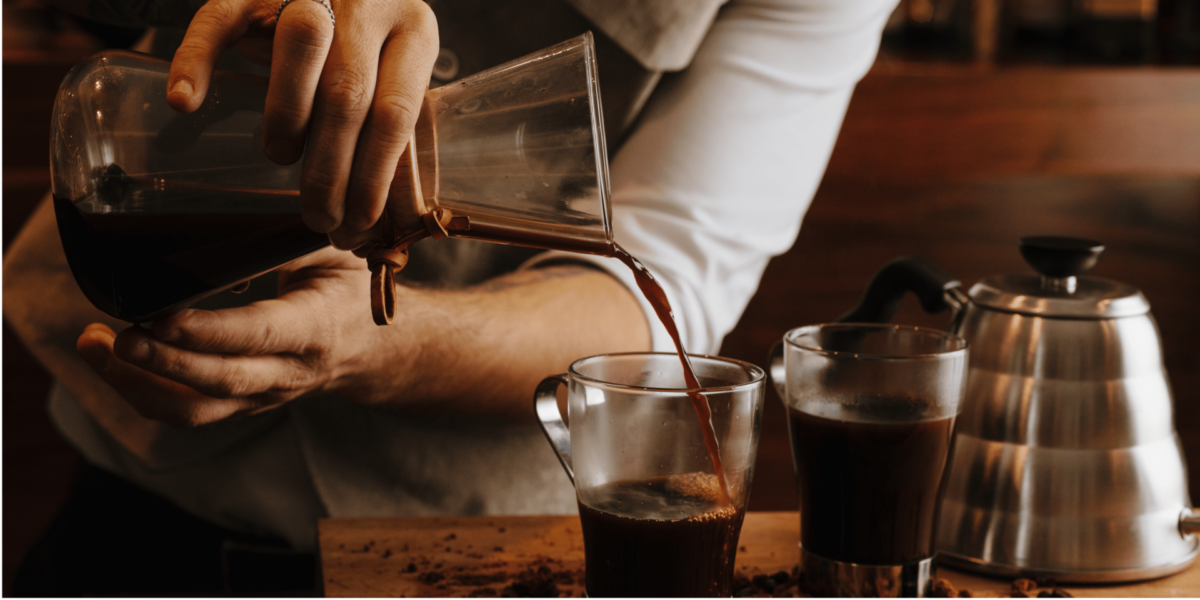
Life Beyond the Espresso Machine
Baristas spend their shifts surrounded by clinking mugs, rising steam, and the sound of espresso shots pulling in rhythm. Once the lights dim and the last customer leaves, their world shifts entirely. Off the clock, baristas move from their roles behind the counter to lives shaped by late hours, physical fatigue, and personal aspirations.
In a real-world setting, a barista walks home after closing up. Their shift ended an hour ago, but cleanup ran long. They carry the scent of coffee on their clothes and the throb of tired feet in their boots. At home, silence replaces the café’s constant noise. Their body slows down, but their mind doesn’t. Sleep comes late, often interrupted by tomorrow’s early shift creeping closer.
The Mental Reset After the Rush
The fast pace of coffee service demands emotional control. Baristas manage customer interactions with precision, sometimes juggling dozens of orders in just a few minutes. When the shift ends, their minds need time to unwind from that intensity.
In a quiet apartment, a barista sits in near-darkness, the only light coming from a laptop screen. They stare at it for a while, not watching anything, just letting the stillness catch up. The transition from service to solitude isn’t quick. It takes time to slow their heart rate, recalibrate their mood, and return to their own thoughts. This reset isn’t optional—it’s necessary to face another day behind the bar.
Creative Lives Hidden in Plain Sight
Many baristas use their free time to explore passions outside of coffee. Some pursue music, others study design, write stories, or build businesses. The skills they use in the café—focus, timing, patience—show up in these other areas of their lives too.
After a long shift, one barista sets up a home studio. Soundproof panels line the walls, and they slip on headphones. It’s late, but that’s when ideas come. The world outside is quiet. No orders to fill, no names to call out. In that space, they aren’t an employee—they’re an artist. These creative hours offer purpose beyond the paycheck and reinforce the identity they protect beneath the apron.
Physical Exhaustion and Quiet Recovery
Long shifts take a toll. Baristas spend most of their workday standing, moving constantly between machines, counters, and customers. When the day ends, recovery becomes just as important as rest.
Back at home, a barista kicks off their shoes and drops into a chair. Their knees ache, and their wrists feel sore from repeated motions. They don’t move for a while. Later, they stretch, soak their feet, and prepare for another day of doing it all again. These moments of care aren’t luxury—they’re survival. Without them, the physical demands of the job would catch up fast.
Community Outside the Café Walls
Baristas often form close bonds during work hours, but those connections don’t always end with the last shift. Off the clock, they gather in small groups—sometimes in someone’s apartment, other times at nearby bars or quiet diners. These hangouts aren’t just social. They offer a space to vent, decompress, and talk freely without the filter required in front of customers.
Picture three baristas sitting at a corner booth in a 24-hour diner. Their uniforms are wrinkled, and their shoulders slump. They laugh about the day’s rush, complain about supply shortages, and share updates about their side gigs. These meetups help baristas stay grounded and remind them they’re part of something bigger than just a shift schedule.
The Hidden Costs of the Job
Behind every clean counter and perfect latte is a job that often goes unnoticed. Baristas don’t just serve drinks—they absorb stress, manage unpredictable customer moods, and adapt to constant changes. After hours, they process what they’ve held in all day.
At midnight, one barista scrolls through job boards, wondering if there’s a path that offers more stability. They enjoy the craft but feel stuck in a loop. The wage barely covers rent, and tips fluctuate. There’s pride in what they do, but that pride doesn’t pay the bills. These quiet moments raise hard questions that rarely get asked during the daytime hustle.
Solitude in the Still Hours
When the city sleeps, baristas often stay awake—not by choice, but by rhythm. Their sleep patterns follow the demands of the café, not the clock. They eat late, think late, dream late. Solitude becomes a steady companion, sometimes comforting, sometimes heavy.
A barista lies in bed, unable to sleep. Their body feels ready to rest, but their thoughts keep replaying the day. An awkward interaction with a customer, an order mistake, a funny exchange—each moment replays. The silence of the night makes it louder. They eventually drift off, knowing the alarm will ring too soon.
Why the Barista Role Is More Than a Job
For many, being a barista isn’t just a stopgap. It’s a way to connect with people, to practice craft, and to find rhythm in routine. But the layers beneath the job run deep. Off-shift, these workers reveal resilience, complexity, and creativity that never shows during the morning rush.
Behind each perfectly poured cappuccino is a person who cleaned floors after closing, rehearsed music at midnight, stretched sore legs in silence, and planned their next move quietly while the world slept. Recognizing their lives beyond the café counter helps redefine what this work really means.
Final Thoughts on Baristas Beyond the Brew
The lives of baristas after hours are built on quiet strength. While the café showcases their hands and voices, the hours afterward show their hearts and minds. From physical recovery to creative pursuit, these behind-the-scenes moments define the job just as much as any customer interaction.
Morning customers might never see what happens after the café closes. But it’s in those private hours—beneath the steam, beneath the pressure—where the real story begins.