Behind the Counter: Hidden Architecture in Everyday Coffee Rituals

The Structure Behind the Welcome

Every café visit starts with more than a greeting. The layout behind the counter frames the flow of movement. From the entrance, the view often lands on the espresso machine, not by accident but by design. This positioning directs attention and signals purpose before a single word is spoken.

Workflow Shapes the Customer Journey

Designing a barista’s space involves function first. Equipment must align with movement. The grinder sits close to the machine. Cups stack within arm’s reach. Registers face the customer but angle toward prep space. This choreography avoids wasted motion and keeps the pace consistent.

Counter Height Controls Engagement

The physical height of the counter plays a psychological role. A lower front invites interaction. Guests can watch drinks take shape. A higher surface encourages quick transactions. Smart cafés use a mix of both, guiding how long visitors linger.

Back-Bar Design Anchors Efficiency

What customers rarely see is the grid behind the bar. Fridges, storage, and sinks hide within sleek cabinetry. But their placement matters. A well-planned back-bar supports continuous motion. Baristas move without turning their backs, keeping contact with both colleagues and guests.

Materials Balance Durability and Tone

Counters must withstand heat, liquid, and friction. But they also set the mood. Stainless steel suggests modern efficiency. Wood adds warmth. Stone grounds the space. The materials under the barista’s hands echo the tone of the café, reinforcing its identity through tactile choices.

Sound Management Begins at the Bar

Every steam burst and grinder pulse creates a soundtrack. The bar’s surfaces affect acoustics. Softened edges and under-bar panels reduce echo. The result is a hum, not a roar. This control maintains a comfortable environment even during rush hours.

Lighting Directs Focus Without Distraction

Lighting does more than brighten the space. Task lights focus on prep areas. Warm overhead bulbs soften the transaction zone. This layered lighting separates zones without walls. It keeps attention where it matters—on the people and the coffee.

Spatial Zones Reinforce Rituals

From placing an order to picking up a drink, each step follows a path. That path feels seamless when zones are clear. The order station, prep line, and pickup area each occupy their own space. Guests follow these cues naturally, even without signage.

Repetition Reveals the Architecture

Regulars start to notice patterns. Where the napkins always are. Where the barista pauses mid-shift. These habits highlight the structure behind the scenes. The counter’s design guides these moments, even when unnoticed.

Design Supports Both Speed and Stillness

A well-crafted counter doesn’t just serve quickly—it holds the rhythm of the café. It supports the barista’s movement, the guest’s pause, and the quiet exchange between both. This hidden architecture makes everyday rituals feel natural and complete.
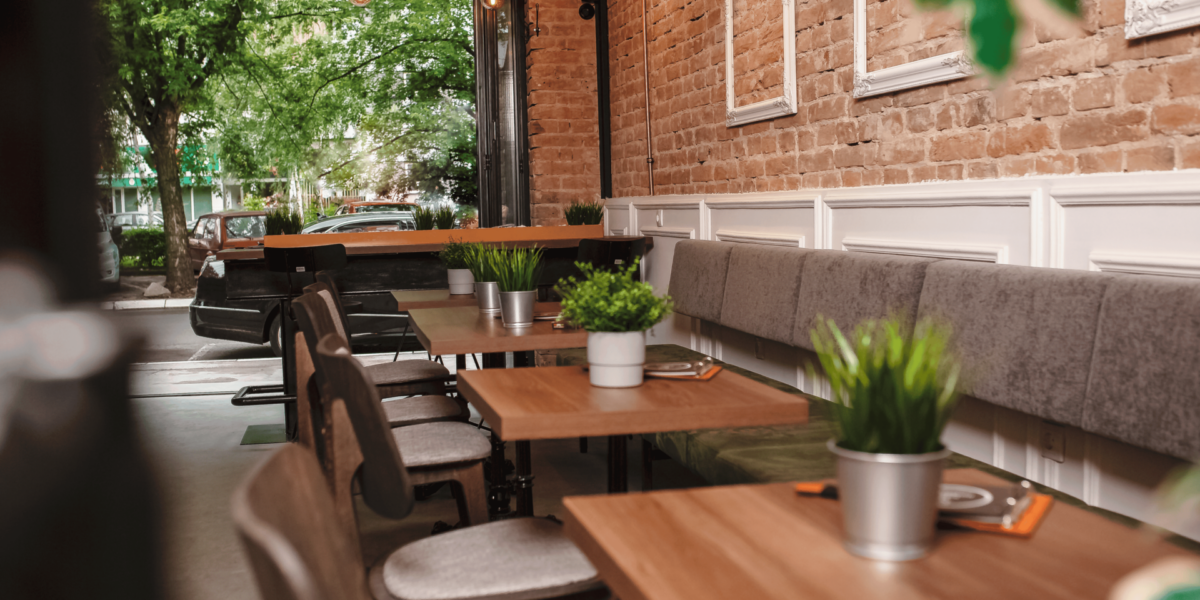
Velvet Seats and Concrete Floors: The Contrast of Comfort and Style

Design Contrast Defines the Café Experience

A successful café blends visual tension with physical comfort. Velvet seats and concrete floors represent more than style choices—they signal a layered experience. One softens, the other grounds. Together, they guide how people engage with the space.

Soft Textures Invite Long Stays

Velvet adds warmth through touch. It suggests ease without requiring words. When someone sinks into a velvet seat, the message is clear: stay a while. These surfaces don’t just support the body—they support pause, comfort, and observation.

Hard Floors Shape Traffic and Tone

Concrete keeps things in motion. It reflects sound and cools the air. This base encourages flow. Guests step lightly, conversations shift, and the atmosphere stays alert. Concrete anchors the space, making soft textures feel even more intentional.

Material Pairing Reflects Brand Identity

The tension between comfort and edge signals the café’s design philosophy. A space that mixes polished concrete with plush seating tells visitors it values both aesthetics and experience. This contrast reinforces branding that is both modern and human-centered.

Lighting Enhances Material Mood

Spotlights on velvet make it glow. Reflected light on concrete gives it depth. How each surface interacts with lighting changes the room’s energy. Shadows soften on fabric and sharpen on stone, creating dynamic visual balance.

Seating Zones Offer Choice and Function

Not every seat in a café serves the same purpose. Velvet chairs suggest lingering, while bar stools on hard flooring suggest quick stops. Designers use material contrast to direct behavior without signage, giving guests silent permission to choose their pace.

Temperature and Texture Work Together

Velvet feels warm, especially in colder months. Concrete stays cool, even on busy afternoons. This temperature contrast helps the café feel alive, adjusting naturally with the time of day. The mix of warm and cool textures builds a tactile landscape.

Durability Meets Design Expectations

Concrete handles traffic. Velvet demands care. Their pairing sends a message about balance: rugged use doesn’t exclude style. These choices show that the café respects wear without sacrificing atmosphere. The space looks lived in, not worn out.

Acoustics Respond to Material Choices

Soft surfaces absorb sound, while hard ones carry it. A café with both finds a middle ground. The hum of conversation doesn’t overwhelm, and silence doesn’t feel empty. This balance helps maintain a comfortable energy across the day.

Contrast Builds Memory and Meaning

Guests remember the way a space feels. A mix of velvet and concrete sticks in the mind—a moment of softness in a strong frame. This physical memory connects to the café’s larger identity. It becomes part of the story people share.

Style with Substance Keeps People Coming Back

The contrast between comfort and structure invites repeat visits. It creates a layered experience where style supports use. Guests don’t just drink coffee—they feel held by the space. And that feeling, built through thoughtful contrast, makes all the difference.