
Between Brews and Books: How Cafés Shape Creative Rituals

Cafés Provide Structure Through Familiar Routine

Writers, artists, and thinkers often return to the same table each day. The hum of machines, clink of cups, and low voices offer a background rhythm that guides focus. This environment builds a routine that helps the mind settle into work, making it easier to begin and maintain creative momentum.

Ambient Noise Supports Concentrated Thought

The consistent sound level in a café strikes a balance between silence and distraction. This hum creates a steady buffer against more abrupt noises, allowing people to stay in their own thoughts. The background activity reduces pressure without overwhelming the senses.

Café Seating Encourages Intentional Presence

Chairs near windows, tables against brick, or shared benches all shape how long a person stays. A deep chair may invite reflection; a stool at a counter may suggest brief concentration. These design elements influence posture and pace, supporting different stages of the creative process.

Coffee Breaks Divide Mental Chapters

The act of ordering or refilling a drink marks a pause in thought. These moments give the mind a break without losing the thread of an idea. Instead of stepping away from the work entirely, a refill provides movement and reset, creating space for clarity to return.

Visual Texture Stimulates Quiet Inspiration

The layers of a café—sunlight through steam, books on a shelf, handwriting on chalkboards—offer gentle cues for the imagination. Without demanding attention, these textures give the eye places to rest. This visual variety supports subtle shifts in focus and helps ideas evolve naturally.

Shared Space Encourages Quiet Accountability

Even without speaking, being around others who are reading, typing, or sketching builds a sense of collective purpose. The presence of other focused people adds motivation. This accountability helps artists and writers maintain steady progress without external pressure.

Limited Distractions Reinforce Boundaries

In a café, tools are limited to what fits on the table. This constraint helps reduce the urge to multitask. Without access to household chores or office interruptions, the workspace becomes clearly defined. Boundaries help shape time into creative sessions with clearer goals.

Cafés Offer Time Without Deadlines

Most cafés allow guests to stay without pressure, but the subtle signals of closing time or a shift change create natural limits. These soft cues encourage creators to use time intentionally. A person might aim to finish a sketch before the crowd shifts or draft a page before the light changes.

Creative Energy Builds from Repetition

Returning to the same space helps ideas build over time. One day’s notebook entry might continue the next day’s sketch. The environment remembers through familiarity, giving work a quiet continuity. Cafés help stitch one creative session to another.

Rituals Built in Cafés Become Personal Landmarks

Over time, these visits form a rhythm. The walk to the café, the preferred seat, the first sip—each becomes a marker that the mind associates with focus. These rituals don’t just support creative work; they become part of how the work itself comes to life.
When Walls Talk: Stories Baked Into the Brick of Neighborhood Coffeehouses

Architecture Shapes the Café’s Voice

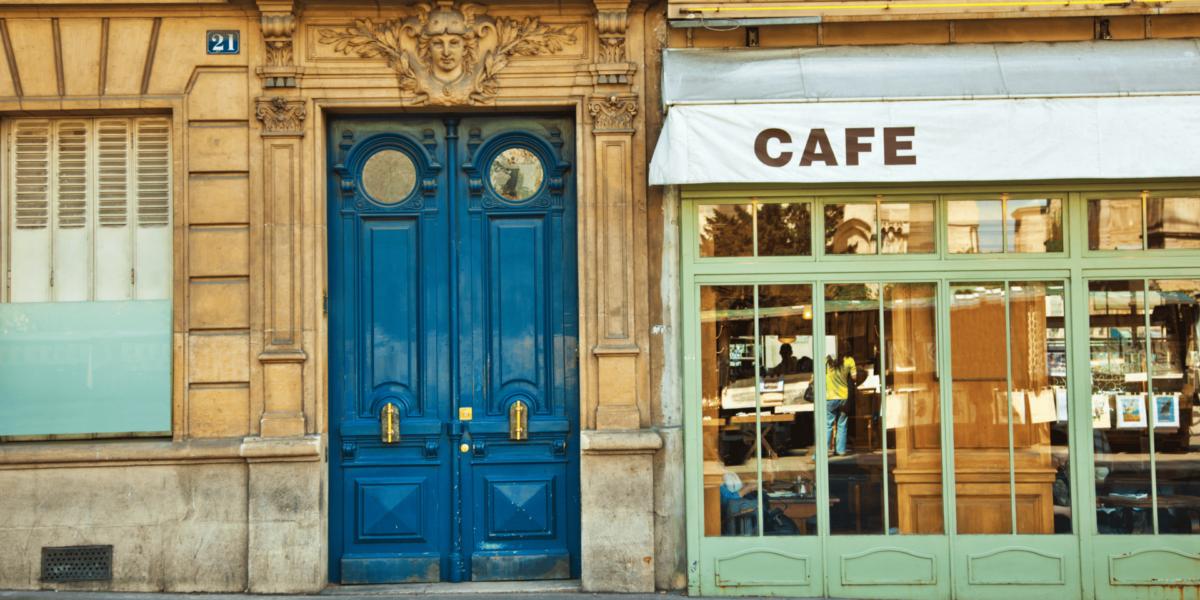
The walls of a neighborhood coffeehouse do more than hold the ceiling—they speak. The way brick, wood, and tile come together reveals the building’s age, history, and character. Customers walking in often feel this before they notice the menu. The material choices echo the time and place the café calls home.

Original Brickwork Holds Memory in Its Texture

Exposed brick carries marks of past use. Faded mortar lines and chipped corners suggest decades of daily life. These imperfections create warmth and depth, offering clues to how the space evolved. Each brick tells part of a larger story—the weather it’s seen, the music that once played, the voices it absorbed.

Furniture Placement Adds to the Storyline

The layout of tables, chairs, and counters influences how stories continue to unfold. Where people sit and how they move reflects a rhythm built over years. Returning customers tend to claim familiar corners, while new guests follow visual cues shaped by furniture placement and wall spacing.

Local Art Anchors the Space in Its Community

Artwork chosen by the café often reflects neighborhood identity. These pieces don’t just decorate—they document. Murals, sketches, or framed prints capture the faces, landmarks, and daily rituals of the area. They extend the wall’s voice by including contemporary expressions within the historic frame.

Sound Behaves Differently with Age and Material

Brick walls absorb and bounce sound in ways that shape how a coffeehouse feels. Conversations sound rounder, music settles deeper into the space, and silence stretches longer. These qualities add a distinct tone to every visit, influenced by how time and use have shaped the acoustics.

Light Moves Along the Surface Throughout the Day

Natural light shifts across the café, creating quiet drama as it touches the walls. In the morning, it illuminates corners softly. By afternoon, sharp angles of sunlight trace edges and reflect off ceramic mugs. This light movement adds mood, turning the café into a living space that changes with the hour.

Cracks and Repairs Mark the Passage of Time

Over the years, walls shift. Hairline cracks appear, filled later with fresh mortar. Paint chips where hands frequently pass. These repairs tell a story of resilience, not decay. They reflect attention to detail and respect for the original structure, showing that the space is cared for and still in use.

Walls Absorb Stories Without Saying a Word

Every meeting, quiet pause, or shared laugh leaves something behind. While those moments vanish from memory, their echo remains in the feel of the room. The walls hold on to this. A coffeehouse may not display photos of its regulars, but the building itself remembers them.

The Building Becomes Part of the Brand

Over time, the structure’s features become part of the café’s identity. Customers describe it as “the one with the brick arch” or “the spot with the sunlit corner table.” These physical traits aren’t just decoration—they guide memory and recognition, making the space easier to return to and recommend.

Brick by Brick, the Café Shares Its History

A neighborhood coffeehouse doesn’t need a plaque to feel historic. Its story lives in the materials. When customers sit down, they join that ongoing narrative. The walls don’t speak in words, but they say enough. They invite people to pause, to listen, and to become part of what comes next.

The Scent of Roast and Rain: A Day in the Life of a Café Window

Morning Begins with a Breath of Coffee and Cloud

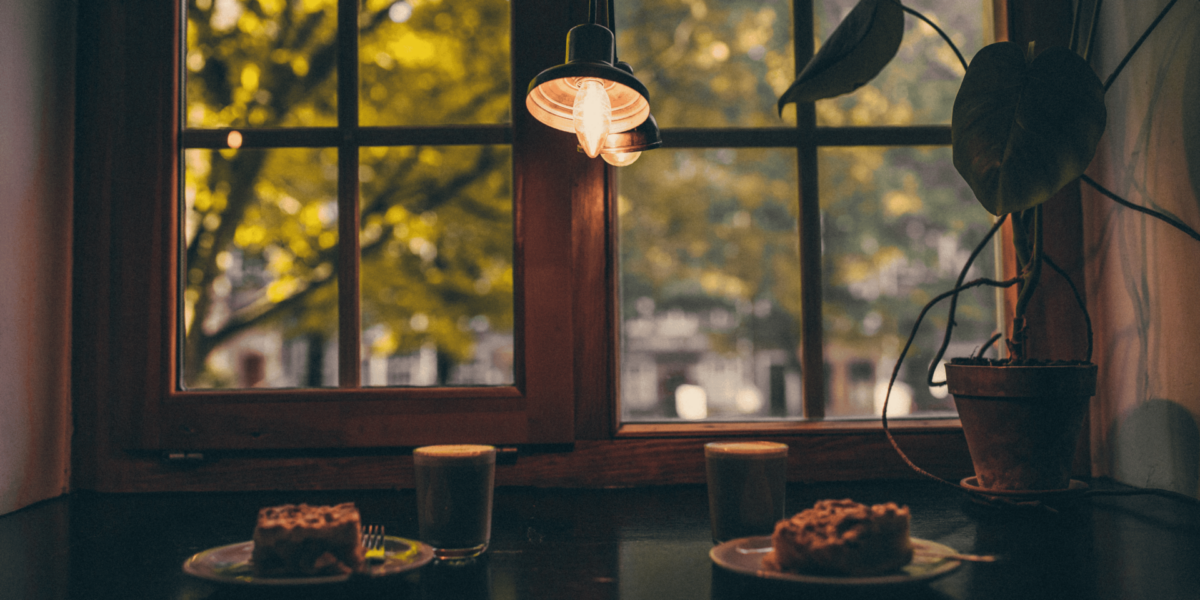
As the day starts, the window fogs with condensation from brewing pots and early rain. Passersby glance in as they rush past, pulled by the glow of overhead bulbs and the warmth trapped inside. The scent of fresh roast mixes with the damp air, creating a signal that the café has opened for the day.

Glass Reflects the First Faces of the Day

The glass pane mirrors morning routines. Regulars approach with practiced steps, and their reflections blend with steam swirling inside. Some pause to check the sky or adjust their scarf. From inside, the staff observes without interrupting, already preparing the space for a steady stream of visitors.

Raindrops Sketch Movement on the Surface

As the morning unfolds, rain picks up. Drops streak across the window, forming slow trails that catch passing light. These streaks distort the view outside, softening street edges. People walking by appear blurred, their forms shifting like moving paintings. The weather outside creates a quiet contrast to the clatter of cups within.

Light Changes the Shape of the Space

By midday, the sky begins to lift. Sunlight breaks through, changing the reflection on the glass. Shadows from tables and chairs stretch across the tiled floor. This light invites longer stays. Guests linger by the window, drawn to the shifting warmth as they sip and speak in low tones.

The Window Frames Every Conversation

At every hour, the window becomes the backdrop to conversation. Friends reunite, workers pause, and strangers sit near one another in silence. The glass does not isolate—it connects the inside to the street. People on both sides feel the presence of the other, even without direct interaction.

Steam Returns with the Afternoon Rush

As the afternoon crowd arrives, espresso machines hum and release bursts of steam. The window fogs again in spots, especially near the counter. Someone leans back in a chair and taps the pane with a knuckle while waiting. These patterns—marks, smudges, and silhouettes—become part of the window’s daily story.

Exterior Noise Blends with Interior Stillness

Traffic grows outside, horns and footsteps overlapping. Inside, the café remains calm. This tension between city pace and café stillness plays out against the window. A siren passes in the distance while a cup lands softly on a saucer. The window catches both rhythms without letting one overpower the other.

Reflections Reveal the Day’s End

As evening nears, the glass darkens. It reflects more than it shows. Inside lights bounce off the pane, casting layered images—baristas moving, hands lifting mugs, shelves lined with pastry. Outside, figures become shadows. Rain returns, softer this time, dotting the window with quiet reminders that the day is closing.

The View Holds What the City Leaves Behind

The window holds evidence of every moment. Fingerprints. Water spots. A smear of foam from someone leaning too close. These marks stay until the night crew wipes them clean. What remains isn’t visible—it’s the rhythm of traffic, the voices that once filled the air, and the scent of roast still lingering as the door locks.

Each Pane Captures a Living Portrait of the City

Throughout the day, the café window is more than glass. It’s a witness. It shows how rain changes the street and how light changes the mood. It captures how a city slows just long enough to warm up inside before stepping back into the world. Through scent, sound, and shadow, each day paints a new reflection on its surface.

Steam and Shadows: What Morning Coffee Reveals About a City

The First Brew Reflects the City’s Rhythm

As the city wakes, steam rises from café counters and corner windows. The pace of morning coffee service mirrors how quickly or slowly the streets begin to stir. A fast line at sunrise tells one story; a quiet, deliberate pour tells another. How coffee flows in the early hours shows the rhythm of the day ahead.

Neighborhood Cafés Anchor Daily Movement

Local cafés shape the start of each morning by serving as consistent meeting points. Whether on a residential street or near a transit line, these spaces influence pedestrian routes. People adjust their routines around a trusted cup, choosing paths based on familiarity and timing.

Barista Interactions Reflect Urban Attitudes

The tone of morning exchanges—brief nods, warm greetings, or total silence—offers insight into the city’s social energy. In some places, baristas memorize names and orders. In others, speed and efficiency take priority. These moments at the counter show how people connect—or choose not to—before the city fully wakes.

Espresso Machines Echo the City’s Soundscape

Steam bursts, grinders hum, and porcelain clinks. These sounds, layered with passing traffic and footsteps, create a distinct audio backdrop. The type and tempo of these sounds match the city’s atmosphere. In quieter districts, the café soundscape softens. In dense zones, it blends into the larger urban noise.

Morning Light Shapes the Café Experience

As sunlight filters through windows and hits polished surfaces, it defines how a space feels. Some cafés fill with golden warmth, while others remain shadowed and still. The way light moves across tables and walls affects how long people stay and how they begin their morning.

Café Interiors Speak Through Design Choices

Minimal counters, mismatched furniture, or precise layouts all communicate local style and function. These choices tell visitors what to expect from both the coffee and the culture. A cozy interior invites slow conversation; a sleek space encourages quick exits. Each element plays into how the city views comfort and pace.

Cup Styles and Serving Choices Reflect Tradition

Mugs, paper cups, and glass vessels say more than just preference. They reflect how the city handles time, waste, and ritual. A heavy ceramic mug may signal pause and presence. A branded to-go cup often means motion. These choices frame how coffee integrates with the city’s movement.

The Flow of Foot Traffic Mirrors Urban Density

Lines that stretch out the door or rotate steadily hint at how population density impacts routine. Crowded counters suggest high demand in compact zones. Steady, spaced traffic often points to neighborhoods with room to breathe. Foot traffic tells part of the story coffee drinkers live each morning.

Roast Selection Reveals Local Tastes

A café’s preferred roast profile—light, dark, or somewhere between—reflects the surrounding palette. Cities that favor bold, dark roasts might lean toward strong, fast experiences. Those with lighter blends may prioritize subtlety and slower sips. The roast serves as a clue to local preferences in flavor and pace.

Morning Rituals Mark the City’s Identity

Each city creates its own set of habits around coffee. Some rush. Others linger. These habits build an identity that newcomers and locals recognize through scent, sound, and style. Morning coffee becomes more than a drink—it becomes part of how a city shows itself to the world, one quiet sip at a time.