
From First Pour to Last Sip: Tracing the Ritual of Morning Coffee

Morning routines shape how we start the day. For many, coffee anchors that routine. The act of brewing, pouring, and sipping is more than a habit. It becomes a personal moment of focus, helping the mind shift from rest to readiness.

Creating Structure Through Repetition

Repeating the same steps each morning builds structure. Whether it’s grinding beans, heating water, or choosing a favorite mug, each task signals that the day is beginning. These small actions provide a sense of control, especially before the demands of the outside world set in.

The Role of Scent and Sound in Setting the Mood

The scent of fresh coffee and the sound of brewing create a sensory backdrop that affects mood. These signals tell the brain it’s time to wake up and get moving. The environment becomes part of the ritual, shaping the emotional tone of the morning.

How Time Affects the Coffee Experience

Rushing through a cup of coffee feels different from sitting down to enjoy it. The way someone spends those moments affects how refreshed or grounded they feel afterward. A slow, mindful coffee can add clarity and calm. Even a short break with focus can change the pace of the entire morning.

Scenario: One Morning, One Cup, One Shift in Focus

Imagine someone waking up early, before the house is busy. They move quietly to the kitchen, start the coffee, and wait. As the first pour hits the cup, steam rises and the aroma fills the space. They sit by a window, hold the mug in both hands, and take a slow sip. It marks a shift—from rest to intention. From sleep to presence.

Building Mental Space Before the Day Begins

Coffee can create a pause between sleep and action. This pause offers space to think, plan, or simply breathe. Instead of diving into tasks immediately, this short window allows for a mental reset. That clarity often leads to better decisions and calmer reactions later in the day.

Consistency Creates Comfort and Confidence

Having a consistent morning coffee ritual builds comfort. It becomes something to count on, even when life feels uncertain. This routine can anchor the day, making it easier to handle change or stress. When the first steps of the day stay the same, everything that follows feels more manageable.

Why the Ritual Matters More Than the Beverage

While the taste of coffee matters, the ritual behind it often has greater impact. The feeling of doing something familiar, at the same time and in the same way, adds stability. It becomes a moment of ownership. A cup of coffee, made just the way you like it, offers control over the start of the day.

Connecting Emotion to Everyday Habits

Morning coffee often carries emotional meaning. It can remind someone of home, a loved one, or a past routine. These quiet connections make the ritual stronger. As the habit forms, the emotional value grows, turning a simple act into something deeply personal.

Morning Coffee as a Daily Reset

Every morning brings a new beginning. Coffee becomes a symbol of that restart. It marks the line between yesterday and today. With every pour and sip, the mind shifts toward what lies ahead. That simple moment helps prepare the body and brain for whatever comes next.

Let the Ritual Work for You

Coffee rituals don’t need to be complex to be meaningful. What matters is the intention behind them. Choose your steps with care. Let each part of the routine serve your focus and well-being. From first pour to last sip, this ritual can shape not just your morning—but your entire day.

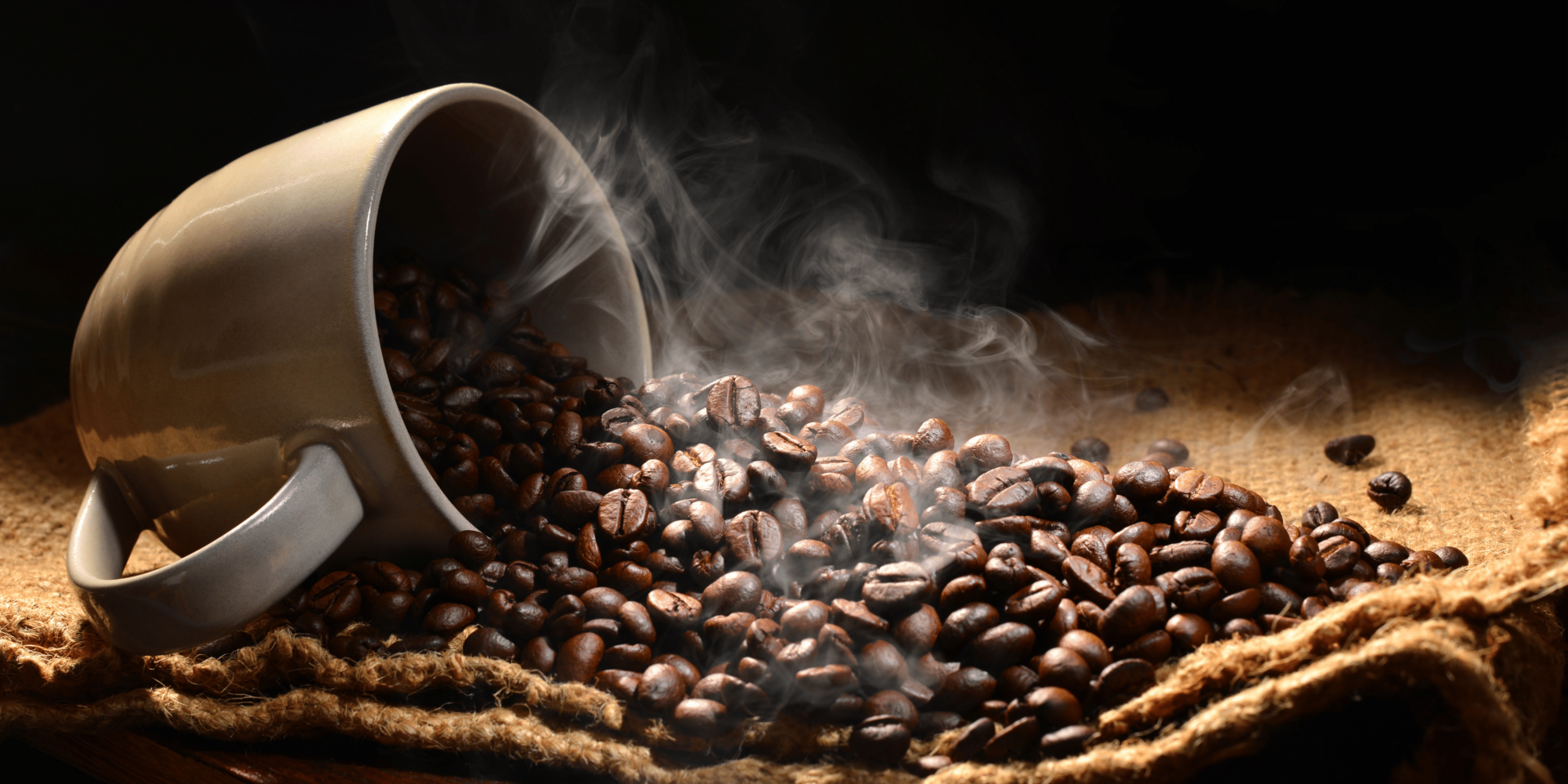
The Scent of Stories: What Your Favorite Roast Says About You

The roast you choose each morning speaks louder than you think. Whether you lean toward light, medium, or dark, your favorite roast often matches your pace, mood, and daily habits. The type of coffee you reach for can mirror how you move through the world and the kind of comfort or clarity you seek.

Light Roasts and Curiosity

People drawn to light roasts often crave detail and clarity. These roasts highlight the bean’s original flavor, offering brightness and a gentle acidity. Choosing a light roast might suggest you appreciate subtlety, enjoy learning new things, and approach your day with fresh energy. In coffee, as in life, you look for what’s underneath the surface.

Medium Roasts and Balance

Medium roasts tend to attract people who value stability. The flavor is smoother and more rounded, with just enough depth to feel full but not overwhelming. This choice reflects a practical, thoughtful personality. You probably seek consistency and enjoy a pace that allows both productivity and pause. Your coffee, like your routine, is steady by design.

Dark Roasts and Bold Presence

If dark roast is your go-to, you’re likely someone who enjoys richness and strength. The intense, smoky flavor aligns with a direct, decisive personality. You might not need a lot of variety to feel satisfied—you know what you like, and you stick with it. A dark roast signals presence and confidence, both in taste and in how you carry yourself.

Your Coffee Routine as a Personal Ritual

Morning coffee isn’t just about caffeine. It’s a moment that sets the tone for your day. The way you brew, pour, and sip creates a rhythm. That routine reveals what you value—speed, calm, connection, or solitude. These small choices help shape how you face the world.

Scenario: A Roast That Matches the Morning Mood

Picture someone walking into their favorite café just after sunrise. The shop is quiet. They order their usual roast without needing to glance at the board. The barista knows their name. As they take that first sip, the taste matches exactly how they want to feel: focused, relaxed, or awake. It’s not just about the coffee. It’s about what the coffee brings out in them.

How Coffee Becomes a Mirror of Identity

Over time, people grow attached to specific flavors and brewing methods. These preferences often become part of their identity. A favorite roast is not just a drink—it becomes a signature. Friends may know someone by the coffee they order. That scent, that flavor, becomes a quiet way of saying, “This is who I am.”

Roast Preferences Build Brand Loyalty

Coffee shops that pay attention to how people connect with roasts can build stronger customer loyalty. By recognizing these personal connections, cafés create experiences that feel tailored and welcoming. When a brand aligns its offerings with customer identity, it becomes more than a shop—it becomes a trusted part of someone’s life.

Why Coffee and Self-Expression Go Hand in Hand

Choosing a roast isn’t random. It reflects mood, mindset, and often, memories. People use coffee to express their needs and preferences, even without words. That choice helps define the kind of day they want or the mood they hope to create. Coffee, in this way, becomes a daily tool for self-expression.

Understanding Flavor as a Form of Connection

Each roast carries a story of where it came from, how it was prepared, and who chooses it. When someone selects a specific roast, they’re connecting with more than taste. They’re tapping into a tradition, a community, and a rhythm that matches their own. That connection is what keeps them coming back.

Let Your Roast Speak for You

Coffee is more than a drink. It’s a reflection of personal taste, lifestyle, and emotion. Whether your roast is light, medium, or dark, it holds meaning. Pay attention to what you’re choosing and why. That small, warm cup may be telling a deeper story—one that starts with scent and ends with who you are.

Brewing Character: How Atmosphere Shapes the Coffee Experience

When someone walks into a coffee shop, their experience starts before the first sip. Lighting, music, layout, and scent work together to shape how people feel and how long they stay. A well-crafted atmosphere turns a basic cup of coffee into a personal ritual.

Design Choices Influence Customer Behavior

Every design element inside a coffee shop sends a message. A small, dimly lit space with quiet music invites calm, thoughtful conversation. A bright, open room with high ceilings and communal tables encourages interaction and movement. These details affect customer behavior—from how long they stay to what they order.

Sound and Scent Trigger Emotional Responses

Background music and the aroma of fresh coffee create an emotional setting. Soft jazz may make someone slow down and stay longer. Upbeat tunes can energize the room. The scent of fresh ground beans often triggers comfort or even nostalgia. These sensory cues play a quiet but powerful role in shaping the coffee experience.

Lighting Sets the Tone for Connection

Lighting helps guide how people interact in a space. Warm tones create a sense of calm and intimacy. Natural light connects people to their surroundings and makes the space feel welcoming. When used well, lighting encourages customers to settle in, work, or connect with others.

Furniture Layout Impacts Flow and Function

The placement of chairs, tables, and counters shapes how customers move through a café. A tight layout might encourage take-away traffic. Open spaces with different seating options support a mix of solo visitors and small groups. A thoughtful layout balances privacy with community, giving each customer a place that feels like their own.

Consistency Builds Brand Identity

Atmosphere isn’t just about design—it also reinforces a brand’s voice. When the style of a shop matches its coffee philosophy, customers feel the connection. A minimalist space may reflect a focus on single-origin brews. A cozy, vintage feel might pair better with comfort drinks and seasonal flavors. This consistency builds trust and makes the experience feel intentional.

Barista Interaction Shapes First Impressions

The way baristas engage with customers directly influences the atmosphere. A warm greeting, casual chat, or thoughtful recommendation helps set the tone. Even in busy moments, a small gesture of kindness or recognition creates a lasting impression. In many ways, the people behind the counter are the heart of the space.

Atmosphere Encourages Loyalty and Return Visits

People return to places where they feel good. A café with a strong atmosphere builds emotional connection, not just caffeine habits. Customers may choose a shop that feels “right” even if it’s out of the way or costs a little more. When people feel seen and comfortable, they come back.

Scenario: A Morning Habit Turned Daily Ritual

Imagine someone stops by the same café each morning before work. The lighting is soft, the music is gentle, and the barista remembers their order. The space is quiet enough to think but warm enough to feel alive. Over time, this place becomes more than a stop—it becomes part of their routine. They bring friends on weekends, recommend it to others, and post photos online. That atmosphere didn’t happen by accident. It was built with purpose.

Creating Purposeful Coffee Experiences

Atmosphere gives coffee shops their personality. When done with care, it turns simple visits into meaningful moments. Every design choice, from seating to scent, plays a role in how people feel. For café owners and designers, this is a chance to connect deeply with customers. And for the guests, it means finding a space where coffee feels like home.